


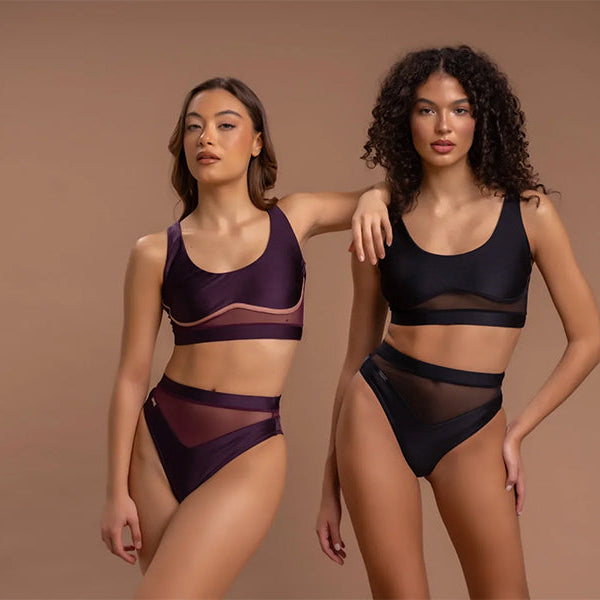
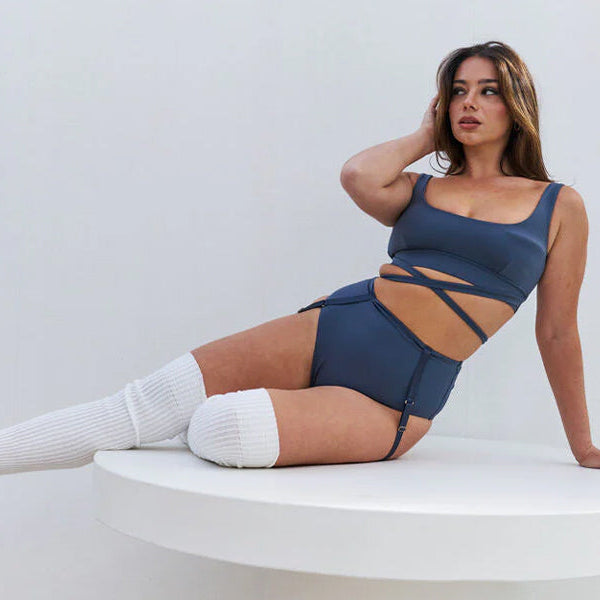
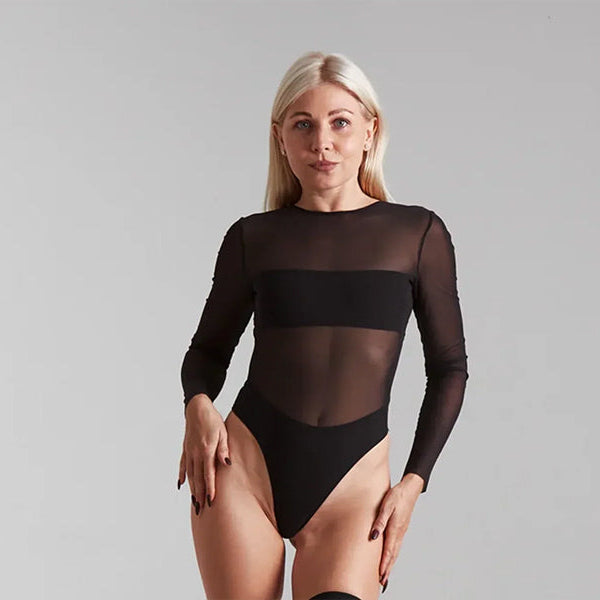

The bodysuit is one of the most versatile pieces in a pole dancer's wardrobe — elegant enough for performance, functional enough for training, and flattering at every level.
But not all bodysuits are built for pole. Here's how to choose correctly.
What Makes a Pole Dance Bodysuit Different from a Standard Dance Leotard
A ballet or jazz leotard is designed for studio dance — mostly upright movement, light aerial work, structured choreography. A pole dance bodysuit is designed for something very different:
-
Inversions where gravity reverses the forces on the fabric
-
Dynamic spins where fabric can shift or ride up
-
Direct skin-to-pole contact at the back, inner thigh and underarms
-
Sustained holds where any pulling or discomfort becomes amplified
The differences in construction are significant. A pole bodysuit needs a higher leg cut, a lower or open back, more elastane content and reinforced construction at the stress points.
Key Features to Look for in a Pole Dance Bodysuit
High leg cut — exposes the inner thigh and hip for pole contact. The higher the better for grip range.
Open or cut-out back — back contact matters for laybacks, handstands and pole sits. A fully covered back limits your options.
Minimum 20% elastane — necessary for four-way stretch and shape recovery after repeated wear and washing.
Secure gusset — a lined, snug gusset is essential. It needs to stay in place during inversions without pulling.
Flat-locked or bonded seams — seams that sit against the skin during a layback or a split need to be flat. Raised seams dig in.
The Best Pole Dance Bodysuits at The Pole Edit
Harna - Bodysuit Temptation (Matte Black)
The Bodysuit Temptation sits at the intersection of fashion and function. Matte black nylon, open construction at the key contact points, precise Balinese craftsmanship. One of the most popular Harna pieces we carry.
Harna - Catsuit (Matte Black)
More coverage, same function. The Harna Catsuit is designed for pole specifically — despite the extended coverage, the contact points are preserved. A performance staple.
Nona Perkasa - Devour Bodysuit (Black)
Regenerated nylon, open back, high cut — built from the ground up for pole performance. The Devour Bodysuit is for athletes who want performance function and ethical production in the same piece.
Bodysuit Styles by Level
Beginner: A standard bodysuit or fitted leotard works well once you're past the first few sessions. Focus on fit and fabric quality over style. The Nona Perkasa Devour Bodysuit is a strong first leotard purchase.
Intermediate: You can explore more design-forward options — cut-outs, strap details, mesh panels. Paradise Chick's designs are excellent at this level.
Advanced/Competition: Sequin, performance-grade construction, unique silhouettes. The Rolling Brand sequin sets function as competition leotards with significant fashion impact.

How to Care for Your Pole Dance Bodysuit
-
Cold machine wash only — heat degrades elastane faster than anything else
-
Inside out — protects the outer surface from friction in the machine
-
Gentle cycle — reduces stress on seams and construction
-
Hang to dry — never tumble dry a leotard. The heat and tumbling break down the elastane rapidly
-
Wash after every wear — skin oils and sweat degrade fabric over time if left
View all pole dance leotards and bodysuits →
FAQ
Q: What is the best fabric for a pole dance leotard? Nylon/elastane blend with at least 20% elastane. Regenerated nylon (used by Nona Perkasa) offers the same performance with lower environmental impact.
Q: Can I wear a bodysuit instead of a leotard for pole dancing? Bodysuits and leotards serve the same function in pole dancing. The terms are often used interchangeably.
Q: What colour leotard is best for pole dancing? Black is the most practical for training — it doesn't show pole marks (which are inevitable) and pairs with everything. For performance, your choice depends on your music, theme and lighting.
Q: How tight should a pole dance leotard be? Snug but not restrictive. It should sit flat against the skin at the torso without pulling at the leg or shoulder. If the leg pulls when you lift your arms, the torso length is too short.

