


When people debate whether pole dancing is "really" an art form, they're usually missing the point. The question isn't whether it qualifies by any rigorous definition of art (skilled expression that communicates, moves, or provokes), it clearly does. The more interesting question is: what kind of art is it, what tradition does it come from, and why does it produce the visual culture it does?
This guide explores pole dancing as an art form in full: its roots, its visual language, why it captures artists and photographers the way it does, the specific style called artistic pole, and how the clothing pole dancers wear is itself a form of creative expression.
The History of Pole as Art and Movement
Pole dancing's history is more ancient and more diverse than most people realize.
Mallakhamb - the Indian discipline of gymnastics and acrobatics on a vertical wooden pole has been practiced for over 800 years. It's documented in the Malla Purana (1135 CE) and was used as conditioning for wrestlers in the Maharashtrian tradition. The movements are explicitly aesthetic and performative, not just athletic: skilled practitioners create shapes and sequences that are judged for both physical difficulty and visual beauty. Mallakhamb is legitimately one of the oldest documented pole art forms in human history.
Chinese pole - a circus art form developed in China that has been performed professionally for centuries involves acrobatics, climbing, and dynamic tricks on a vertical pole. It was incorporated into European circus traditions in the 19th century and is still performed professionally worldwide. The visual language of Chinese pole - dramatic body shapes, controlled strength, the use of vertical height as a theatrical element directly influenced the modern development of sport and artistic pole dancing.
The 20th century brought pole dancing into nightclub entertainment contexts - a history the community acknowledges honestly. The theatrical, sensual style that developed in this context became one of pole dancing's foundational aesthetic traditions, evolving into the exotic and contemporary exotic styles practiced and competed in today.
The 21st century synthesis: Modern pole dancing draws all of these threads - the ancient acrobatic traditions, the circus arts lineage, the entertainment tradition, and the contemporary influence of gymnastics and contemporary dance into a discipline that's genuinely new. The result is an art form with more visual and expressive range than almost any other movement discipline.
Artistic Pole: The Category That Makes It Explicit
Among pole dancing's competitive categories, artistic pole is the one that most explicitly frames the discipline as art rather than sport.
In artistic pole competition, the judging criteria weights artistic impression most heavily above technical difficulty, above execution precision. The question the panel is asking isn't "did you execute that correctly?" but "did you create something that meant something? Did it communicate? Did it move us?"
This framing has produced some of the most genuinely artistic performances in any movement discipline. Kristy Sellars' America's Got Talent performances which introduced tens of millions of people to what artistic pole can be combined visual projections mapped to the pole with choreography that told specific narrative stories. Marion Crampe's performances frequently reference fine art, classical aesthetics, and emotional states with a sophistication that challenges any fine art categorization.
The common thread in great artistic pole: the technique is in service of expression, not an end in itself. Every grip, every hold, every shape is a choice made in service of what the piece is trying to say.
Why Pole Dancing Produces Extraordinary Visual Art
There are specific reasons why pole dancing translates so powerfully into visual media photography, illustration, painting, digital art beyond just "it looks cool."
The Vertical Axis
Human bodies are optimized for horizontal movement along the ground. When the body moves vertically climbing, inverting, suspending at height - it creates visual images that the human eye isn't accustomed to seeing in everyday life. This unfamiliarity creates visual interest. Pole dance photography, specifically, leverages this by capturing bodies in orientations that feel both physically impossible and aesthetically beautiful simultaneously.
The Line
Pole dancing creates extraordinary body lines - the visual path the eye travels from one extended limb to another, through the curved spine, along the extended leg. The discipline's emphasis on pointed feet, extended lines, and deliberate shape-making produces figures that work as visual composition in a way that less aesthetically structured sports don't.
The Contrast
Skin against metal. Organic softness against industrial hardness. Human expression against geometric structure. The visual language of pole dancing inherently involves this contrast and it's one of the reasons pole photography and illustration is so visually striking.
The Drama of Height
Elevated positions, especially inverted ones create visual drama through the implied risk and the unusual spatial orientation. An inverted body suspended from a pole creates the kind of visual tension that makes images memorable.

Pole Dance as Drawing and Illustration Reference
There's a significant and growing community of artists illustrators, digital artists, concept designers who use pole dance poses as drawing reference for the human figure in extraordinary positions.
The reason is practical and aesthetic: pole dance positions create figure-drawing challenges that few other disciplines provide.
Inversions and off-axis positions require the artist to understand foreshortening, perspective shifts, and the way the body's weight distribution changes the appearance of muscle groups and body proportions. These are exactly the skills that separate competent figure artists from skilled ones.
The relationship between figure and pole creates composition challenges - how does the external structure (the pole) relate to the organic figure? How does the contact point between the two read visually? These are legitimate compositional and spatial problems that make pole dancing reference genuinely valuable for artists.
The variety of shapes. From the extreme back arch of a chest stand to the perfect geometry of an iron cross, from the sweeping lines of a fan kick to the controlled tension of an invert - pole dance reference provides figure drawing challenges across every range of human movement.
Communities of artists who use pole dance reference for drawing have developed on platforms like DeviantArt, Pinterest, and Instagram. Pole dance drawing and pole dance pose reference are active and growing search categories.
For artists looking for pose reference: the pole community's social media particularly the accounts of instructors and competitive dancers - is full of high-quality photographic reference of positions across every style. Competition photography specifically provides multiple-angle documentation of complex positions in clear, well-lit settings.
The Costume as Art: Polewear and Creative Expression
The pole dance community has developed one of the most distinctive aesthetic cultures in any movement art and the clothing is central to it.
Unlike most sports, where uniforms are standardized or practical, pole dance performance costuming is a creative medium. The costume is explicitly part of the artistic concept in artistic pole competitions, judges assess whether the costume serves the performance's concept. A poorly chosen or generic costume costs scores in ways it wouldn't in other disciplines.
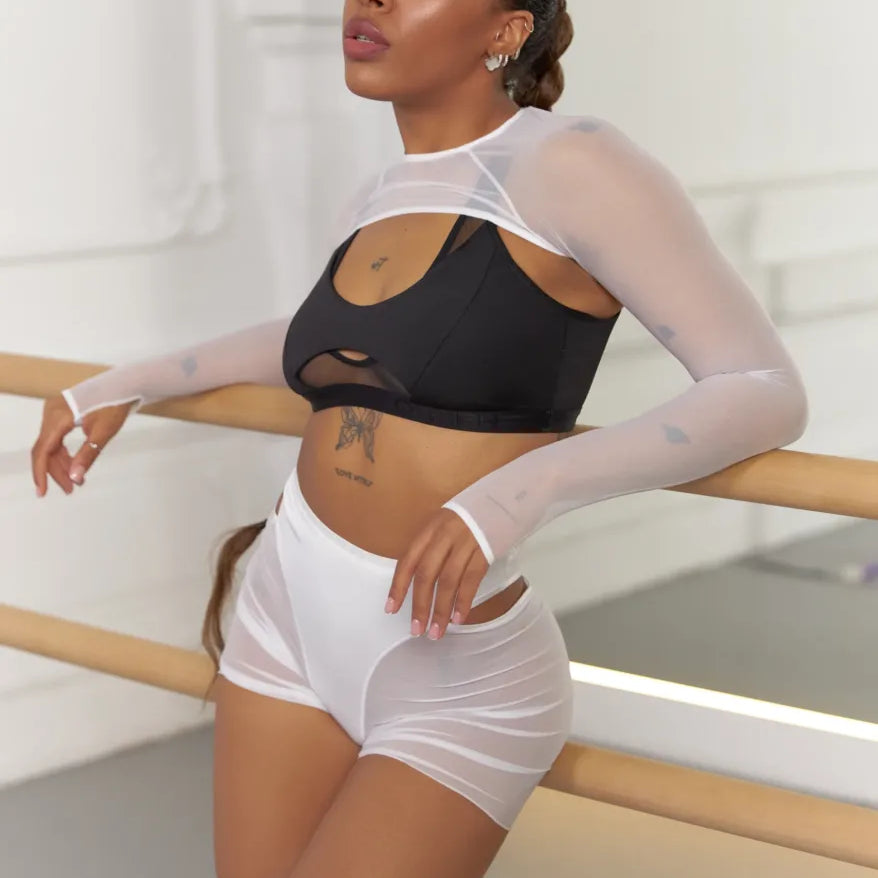
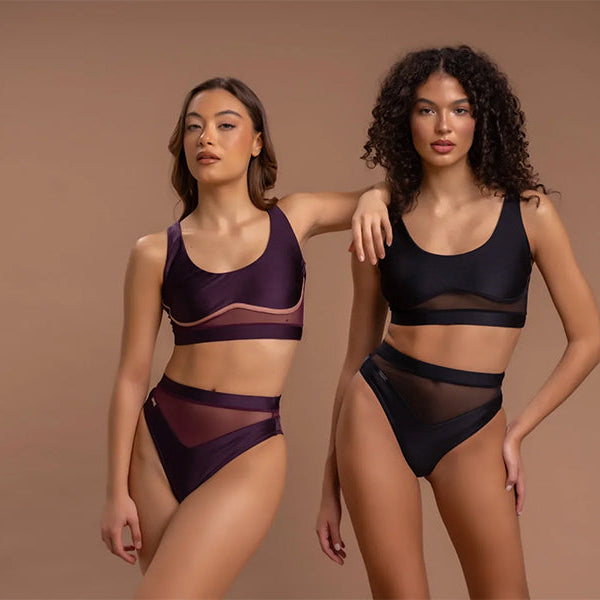
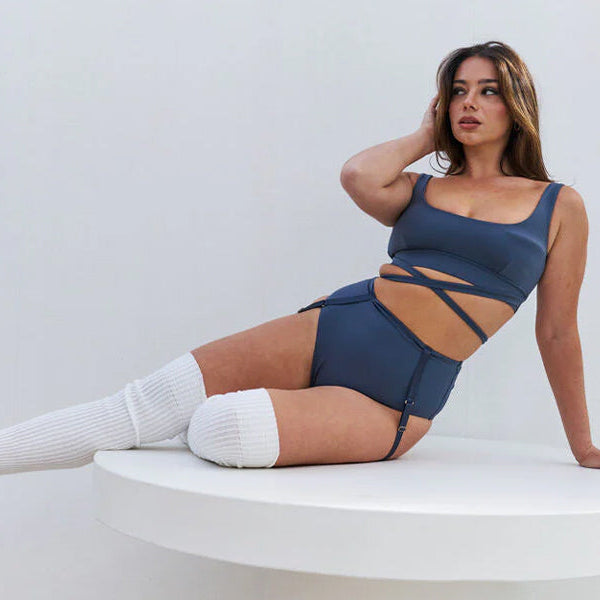
The result is a community that treats polewear as genuine creative expression. The patterns, the fabrics, the cuts - each choice communicates something about the dancer's aesthetic identity, their performance concept, or their personality in the studio.
Rolling Brand exemplifies this philosophy; their sequin pieces and botanical prints are genuinely artistic in their design, not just functional athletic wear. The Blue Sequin Scorpio Bodysuit is as much a wearable art piece as a training garment.
The community's embrace of matching sets, expressive prints, and theatrical costume pieces reflects an understanding that what you wear to train and perform is part of the total artistic statement pole dancing makes.
Experiencing Pole Dancing as Art
If you've primarily thought of pole dancing as a fitness activity and this guide has shifted that perspective, here's how to experience it as the art form it is:
Watch artistic pole competitions. The World Pole Sports Championship, the Aerial Arts Festival, and the US Pole Championships all include artistic categories. Watching skilled artistic pole performers live or on YouTube with the specific intention of watching the artistic choices, not just the tricks is genuinely rewarding.
Follow artistic pole practitioners on social media. Search #artisticpole, #poleartistic, #contemporarypole on Instagram. The visual culture of the community is extraordinary and rich.
See it live. Many pole studios host student showcases and performances. These community performances are often more emotionally genuine and less polished than competition footage which makes them, in many ways, more artistically moving.
Try it. The experience of creating shapes with your own body, of interpreting music through movement on a vertical apparatus - there's an artistic engagement in the practice itself that watching can only partially convey.
Shop the Artistic Pole Wardrobe
Whether you perform, train, or simply love the aesthetic culture pole dancing has created, The Pole Edit carries the polewear that serves artistic pole at every level.
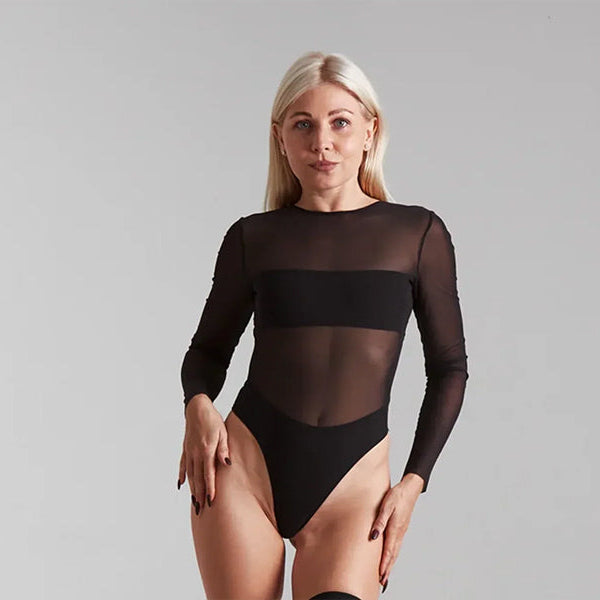
Browse our Bodysuits for performance pieces, Rolling Brand for statement designs, and the full collection to find pieces that match your artistic vision.
US-based. Founded by a pole dancer. Ships fast with no tariffs and easy returns. For every artist who uses a pole as their medium.

