


If you're new to pole dancing or just new to buying polewear, the options can feel overwhelming. Different styles, fabrics, fits and price points, all claiming to be the right choice. This guide cuts through it.
Here's everything you need to know about pole dancing clothes in 2026: what works, what doesn't, and exactly where to start.
Why Pole Dancing Clothes Are Different From Regular Activewear
Standard gym wear is designed to cover skin. Polewear is designed to expose it strategically.
The reason pole dancers wear shorts and crop tops isn't just aesthetic. It's functional. Skin contact with the pole creates grip. The more skin you have on the pole, the more control you have over your movement. Loose leggings or long sleeves actively work against you, especially in inversions and climbs.
Good pole dancing clothes balance three things: grip (skin exposure), comfort (freedom of movement), and durability (fabric that survives pole friction without pilling or tearing).
The Core Polewear Wardrobe: What You Actually Need
Pole Shorts
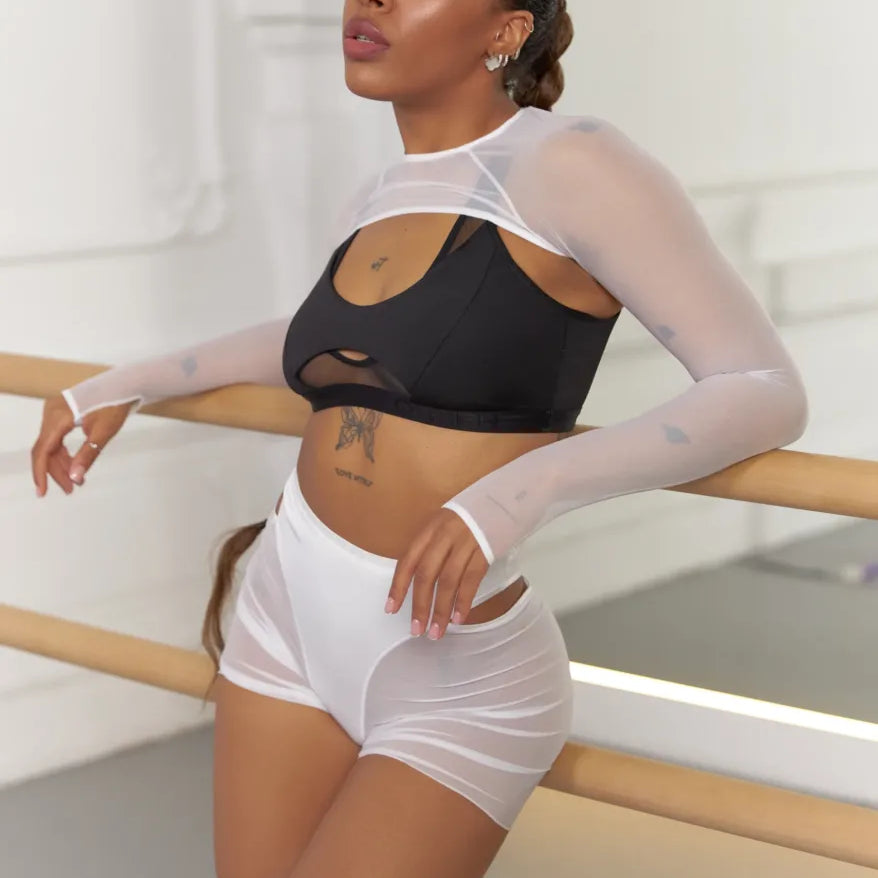
The non-negotiable. Pole shorts are the single most important piece of polewear you'll buy. They need to be short enough to expose the inner thigh for grip, high enough to stay in place during inversions, and stretchy enough not to restrict leg movement.
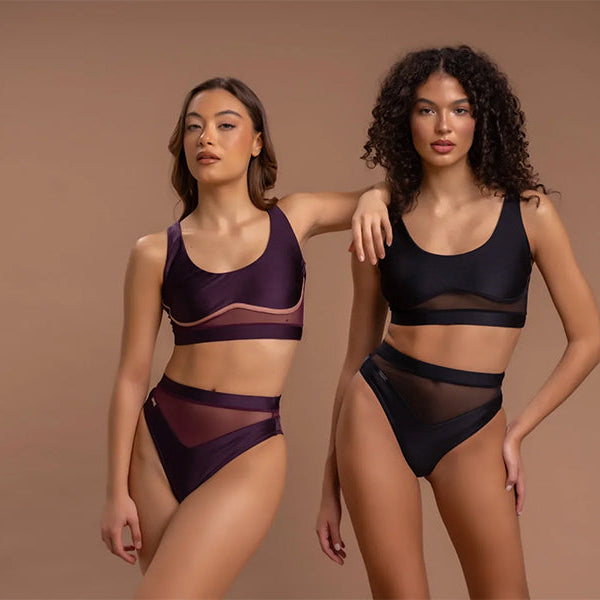
High-waisted pole shorts are the current standard, they stay put during dynamic moves and look great. Shop our full polewear collection for options across all five of our international brands.
Pole Tops
A crop top, sports bra or structured top that exposes the midriff for body-to-pole contact. For beginners, a standard sports bra works well. As you advance, look for tops with unique back designs, straps or cut-outs that don't interfere with pole contact.
Harna's Fierce Top and Tizzy Top are both excellent options - structured enough to support, minimal enough not to get in the way.
Bodysuits
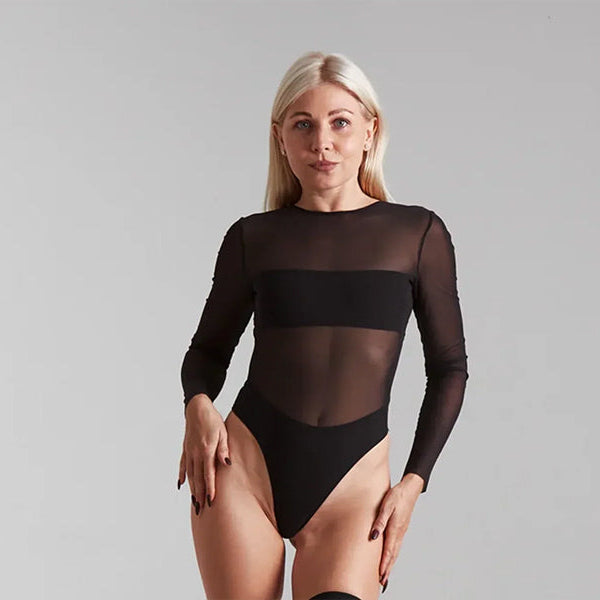
One-piece bodysuits are popular for performance and more advanced training. They look polished, stay in place and give you flexibility in terms of coverage. The key is finding one that's cut high enough in the leg and low enough in the back to maintain pole contact where you need it.
Nona Perkasa's Devour Bodysuit is one of our most popular pieces - made with regenerated nylon and designed specifically for pole athletes.

What Fabric to Look For
Nylon/spandex blends are the industry standard for a reason. They stretch in all directions, dry quickly, hold their shape and grip the pole without sticking uncomfortably.
Mesh panels add breathability and visual interest. Paradise Chick uses mesh panels strategically on their shorts - look for designs where the mesh hits the hip or waist, not the inner thigh where you need solid fabric contact.
Recycled/regenerated nylon is the sustainable choice. Nona Perkasa builds their entire line from regenerated nylon - same performance, significantly lower environmental impact.
Avoid cotton for pole training. It absorbs sweat, loses shape and doesn't provide the stretch you need.
How to Choose Polewear by Level
Beginner: Prioritize skin contact over style. Basic shorts and a crop top. Focus on pieces that stay in place. Try the Harna Tizzy Set or Nona Perkasa Solace Set.
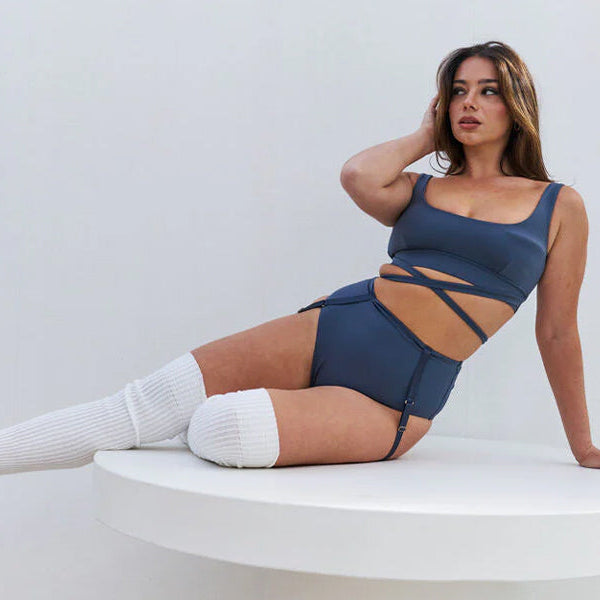
Intermediate: You can start experimenting with more structured designs, bodysuits and sets. Garter details and wrap styles work well at this level.
Advanced/Performance: Full editorial looks. Sequin sets for performance, competition ready bodysuits, unique silhouettes that photograph well under lights.
The International Brands Worth Knowing
The best polewear in 2026 comes from independent international labels — not the big sportswear brands. At The Pole Edit, we carry five of the best:
-
Lunalae (Australia) — sustainable, stylish, mid-range price point
-
Harna (Bali) — premium fabrics, precise fit, luxury feel
-
Nona Perkasa (Bali) — ethical, regenerated nylon, bold designs
-
Paradise Chick (Greece) — handmade, sportluxe, unique mesh details
-
Rolling Brand (Brazil) — bold prints, ribbed textures, gorgeous designs
FAQ
Q: What should I wear to my first pole dancing class? Shorts and a crop top or sports bra. The shorter the shorts, the better for grip. No socks, bare feet are ideal.
Q: Can I wear leggings for pole dancing? Not recommended for training. Leggings cover the skin you need for grip. Some studios allow them for warm-up but you'll need shorts for actual pole work.
Q: How tight should pole shorts be? Snug but not restrictive. They should stay in place during an inversion without cutting off circulation. High-waisted styles tend to stay up better than low-rise.
Q: Do I need special shoes for pole dancing? Not for training. Most pole dancers train barefoot. Platform heels are used for performance and some style-focused classes.
Q: How do I care for my polewear? Cold machine wash, hang to dry. Never tumble dry, heat breaks down the elastane and shortens the life of the fabric.

