


There's a specific shift that happens in every pole dancer's journey - the moment training stops being about learning individual moves and starts being about putting them together into something that feels like yours. A sequence. A routine. A performance.
Creating your first pole dance routine is one of the most rewarding things you'll do in this discipline and one of the most misunderstood. It's not just stringing moves together in order. It's making choices: about music, about pacing, about the story you want to tell and how your body tells it.
This complete choreography guide walks you through every step of building your first routine, from choosing the right music to performing it for the first time. Whether you're preparing for a studio showcase, filming for your own progress record, or just wanting to feel like a dancer rather than someone practicing tricks - this is the guide that gets you there.
Step 1: Choose Your Music First
This is the most important decision in your entire choreography process, and most beginners make the mistake of choosing moves first and fitting music to them afterward. The music comes first. Always.
Why the Music Has to Lead
Music is the container your routine lives inside. It determines the emotional tone, the pacing, the energy peaks, the moments of stillness, and the overall arc of the performance. If you build moves first and add music second, you're putting a frame around a painting that doesn't fit it. Start with the music and let everything else follow.
How to Choose the Right Track
Length: For a first routine, 1.5–2.5 minutes is the ideal range. Long enough to tell a story, short enough to memorize and execute under performance pressure without fatigue destroying your second half. Three-minute routines are harder than they look, even for experienced dancers.
Structure: Listen for a track with identifiable sections an intro, a building middle, a climax, a resolution. These natural sections give you a choreographic roadmap. Where is the big moment in this track? That's probably where your most dramatic move goes. Where does it breathe and quiet down? That's your floor work or slow transition moment.
Emotional connection: This matters more than most beginners expect. If you're emotionally engaged with a track - if it makes you want to move when you hear it, you'll perform it better. Routines set to music the dancer is genuinely moved by read completely differently than technically correct routines set to a competitively "smart" track the dancer feels neutral about.
Tempo consideration: For a first routine, avoid very slow tracks (hard to fill with intentional movement at beginner level) and very fast tracks (hard to control precision). A medium tempo with clear rhythmic structure is the most forgiving starting point.
Step 2: Listen to Your Track Until You Know It Deeply
Before you plan a single move, spend a week just listening to your chosen track. In the car. While you're cooking. On a walk. With your eyes closed.
What you're building is internal musicality, a subconscious map of the track that your body can eventually navigate without thinking. Professional dancers describe knowing their music so well that they could conduct it; they know exactly what's coming, when, and how it feels.
Note: Where does the energy build? Where does it drop? Where is the emotional peak? Where does it surprise you? Are there specific words, instruments, or beats that make you want to respond physically? These notes become the anchoring points of your choreography.
Step 3: Build Your Move Inventory
Now you can think about moves specifically, which moves from your current repertoire fit this track and this emotional direction.
The honest constraint: Your routine can only use what you can execute consistently. Not what you can do when everything goes perfectly. Not what you nailed once in class last week. Moves that are genuinely reliable that you can hit seven times out of ten under normal conditions - are your choreography candidates. Everything else is a risk.
Build your list:
-
What spins do you own on both sides?
-
What static holds can you execute confidently?
-
What floor work transitions feel natural?
-
What entry and exit combinations have you drilled?
This list is your palette. You're going to paint your routine from these colors.
The variety principle: A good routine uses variety within its constraints. If your five most confident moves are all spins, look for ways to alternate between spinning and static elements. If everything you've got is aerial, incorporate floor work to give the routine visual variation. Variety is more interesting than technically harder.
Step 4: Structure Your Routine in Sections
Map the track's structure and assign a general choreographic intention to each section. You're not placing specific moves yet - you're planning the emotional and visual arc.
A simple first-routine structure:
Introduction (first 15–25 seconds): Start on the floor or in a standing position. This is your arrival - how you establish your presence before the performance begins. A slow approach to the pole, a grounded floor movement, a simple standing pose. Don't rush to the pole immediately.
Opening section (next 20–30 seconds): Establish your movement quality with your entry spins and first combinations. This section introduces you as a mover, your body quality, your relationship with the music.
Building section (middle 30–40 seconds): Increase intensity. More dynamic spins, a climb if you have one, combinations that are more complex. This is where the energy rises toward the climax.
Climactic moment: The peak of the performance, your most dramatic move, your strongest hold, your biggest visual moment. Placed where the music peaks.
Resolution (final 15–25 seconds): Wind down. A slower spin, a floor transition, a final pose. The ending should feel as intentional as everything before it.

Step 5: Place Your Moves
Now, with your structure mapped and your music internalized, you place specific moves into specific sections.
Start at the end. Decide your final pose first - how you want to be seen at the moment the music stops. Work backward. What move naturally leads into that ending? What combination sets up that move?
Anchor your peak moment. Place your most confident, most visually dramatic move at the musical climax. This is non-negotiable. Everything else serves to make this moment land.
Connect, don't just sequence. The difference between a routine and a series of moves is the transitions between them. Spend as much attention on how you get from one move to the next as on the moves themselves. Smooth, intentional transitions are the mark of a choreographer rather than a student demonstrating their trick list.
Leave breathing room. The most common first-routine mistake is filling every second with movement out of anxiety about empty space. But stillness is part of choreography. A held position. A slow breath. A moment of stillness at a quiet musical beat. These create contrast that makes the movement more impactful.
Step 6: Drill Your Routine
Once you have a complete run-through mapped, you drill it. Not the whole routine as a performance, break it into small sections and drill each section separately first.
Section drilling: Take an 8-count phrase from your routine and drill it 10 times, back to back, on both sides. This is how movement becomes automatic rather than remembered.
Transition drilling: The specific transition between move A and move B in your routine is just that 4-count transition - 15 times in a row until it flows without thought.
Full runs: Once sections feel automatic, start running the whole routine. Count how many full runs you can do before fatigue affects the quality. Build this over weeks.
Film every run. Film yourself and watch with specific questions: Does the movement match the music? Where do you look distracted? Where is the quality genuinely good? What breaks down under the fatigue of a full run?
Step 7: What to Wear for Your Routine
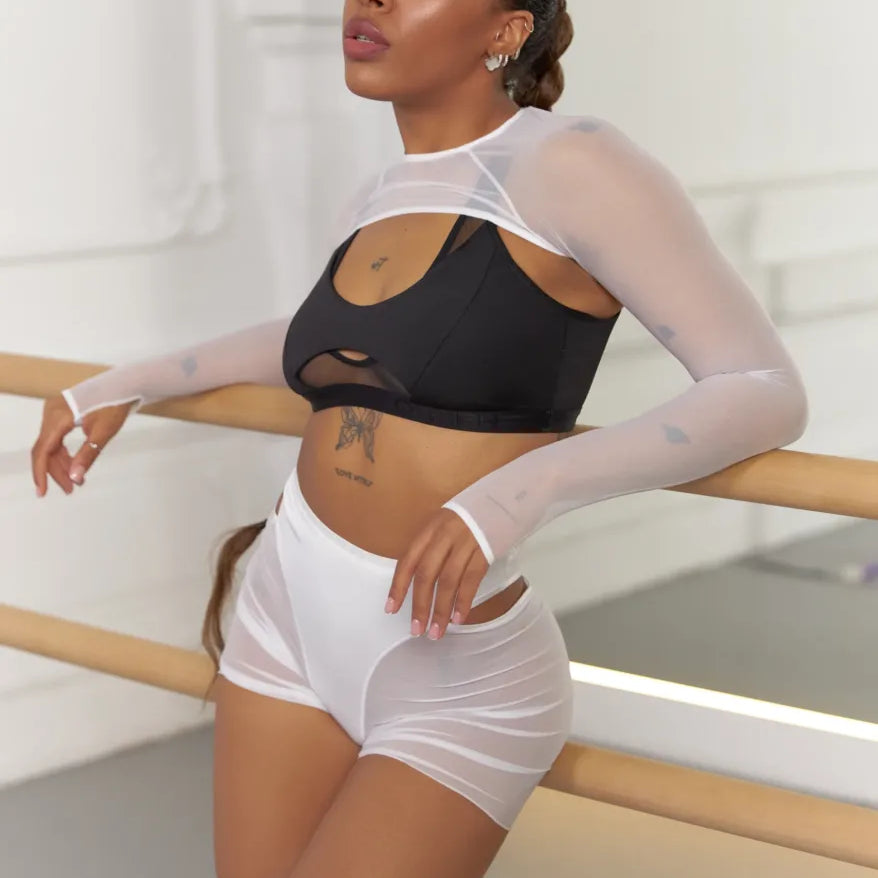
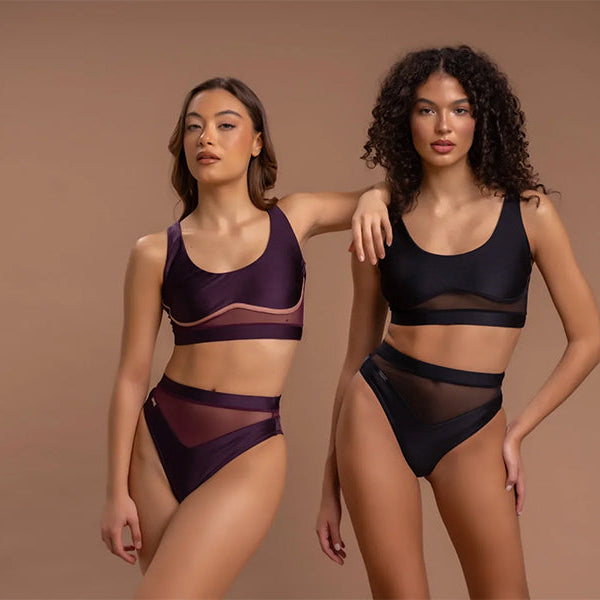
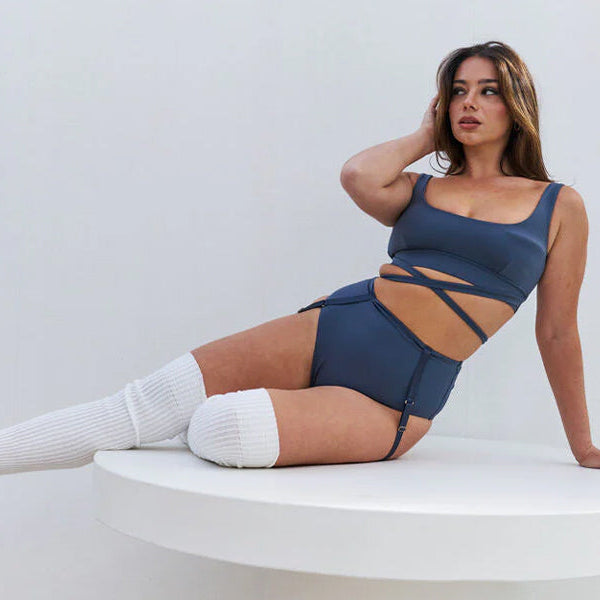
The costume is part of the routine. Not decorative extra genuinely part of the artistic statement the performance makes.
For a first showcase or filming session, choose something that:
-
Matches the emotional energy of your music (sequins for a big dramatic track; something clean and minimal for something contemporary and understated)
-
Allows the full range of motion your choreography demands
-
Makes you feel genuinely powerful when you put it on
The Blue Sequin Scorpio Bodysuit ($94) from Rolling Brand is exactly the kind of piece that makes a first performance feel like an event sequins that catch every light, clean lines, performance-grade construction that stays put through every move. For a bolder matching set that says personality and joy, browse our Rolling Brand and Lunalae collections.
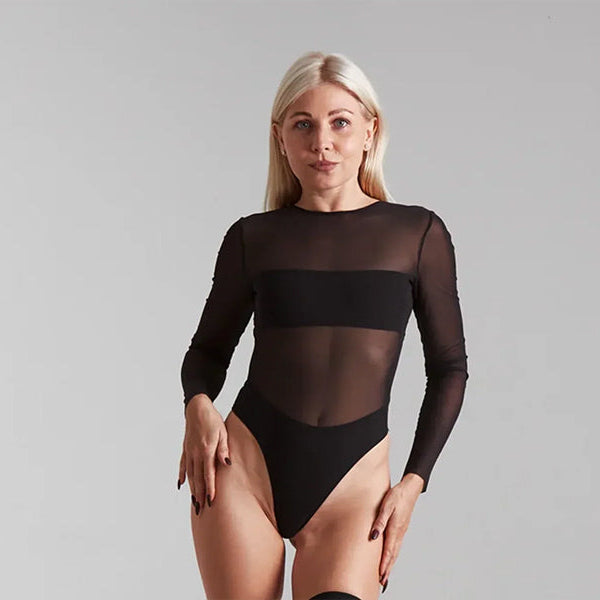
For a more minimal, athletic performance aesthetic, our Harna collection and the Bodysuit Temptation in Black Matte ($78) deliver clean, serious energy.
All shipped from within the US - no tariffs, fast delivery, easy returns. Browse the full performance polewear collection at The Pole Edit.
Step 8: Perform It
The final step has no substitute. At some point you perform the routine for a camera, for a class, for a showcase, for anyone or nobody. The performance itself is irreplaceable as a learning experience.
What you'll discover: the routine feels different when performed than when drilled. The adrenaline changes things. Moves that felt automatic in drilling can feel uncertain under performance pressure. This is normal and expected. The solution is more performance experience, not less.
Every routine you complete and perform is preparation for the next one, which will be better. This is how choreographers develop not by thinking about it, but by making things, performing them, and making the next thing.
Your first routine will be imperfect. Make it anyway.

