


If you've been on the fence about trying pole dancing and your hesitation has anything to do with "but is it actually a real workout?" then this guide is going to settle that question for you.
The short answer: yes. Emphatically yes.
The longer answer is more interesting, because pole dancing as fitness works differently from most exercises you've probably tried. It's not just "a workout that happens to be fun." The physical demands of pole dancing are genuinely intense, in some ways more demanding than conventional gym training and the results reflect that. The community has been trying to convince the rest of the world of this for years, and the evidence is overwhelming.
This is the honest fitness breakdown: what exercise pole dancing actually does to your body, why it works when other workouts don't stick, what to realistically expect when you start, and how to set yourself up for success.
What Kind of Exercise Is Pole Dancing?
Before the benefits, let's be precise about what type of physical training pole dancing actually is because it's a genuinely unusual combination.
Pole dancing is simultaneously:
-
Strength training - you are lifting your own bodyweight, repeatedly, from multiple angles
-
Cardiovascular conditioning - sustained pole sessions elevate your heart rate significantly
-
Flexibility training - the range of motion required grows progressively as you advance
-
Balance and coordination training - controlling your body in inverted and off-axis positions demands neurological engagement that conventional exercise doesn't train
In fitness terms, this combination is rare. Most exercise modalities are good at one or two of these things. Pole dancing is legitimately good at all four simultaneously. This is why the physical transformation people experience from consistent pole training tends to be more comprehensive than what they see from conventional gym routines.
The Physical Benefits of Pole Dancing as Exercise
Upper Body Strength
Here's what newcomers usually don't expect: pole dancing will build your upper body faster than almost any conventional gym routine at a similar commitment level.
The reason is mechanical. From your very first class, you are doing something close to a chin-up every time you spin on the pole. As you progress to climbs, inverts, and holds, you're asking your biceps, triceps, forearms, shoulders, and back to work together dynamically under full bodyweight load. Every transition, every spin exit, every controlled descent is an upper body exercise.
People who come into pole with virtually no upper body strength zero - typically have functional pull-up strength within three to six months of consistent training. The strength transfers remarkably well to other activities. When pole dancers pick up climbing, rowing, or gymnastics as secondary activities, they're always surprised by how quickly they adapt.
Core Strength
"Core" in the fitness world often gets reduced to ab exercises. In pole dancing, it means something closer to its anatomical definition: the deep stabilizing musculature that holds your spine neutral during dynamic movement.
Pole dancing trains this extensively. Every time you invert - turn yourself upside down on the pole - your core has to work hard to control the movement and prevent your lower back from loading awkwardly. As your inversions become more dynamic, the core demand increases. Pole dancers typically develop functional core strength that translates to better posture, reduced lower back discomfort, and improved performance in literally every other physical activity they do.
Full-Body Integration
Unlike gym machines that isolate individual muscle groups, pole dancing forces your entire body to work as a coordinated system. A basic climb uses your hands, wrists, forearms, biceps, shoulders, lats, core, glutes, and the muscles of your inner thigh simultaneously. A spin transition requires timing and coordination between your upper body, which controls the pole, and your lower body, which controls the shape.
This integrated demand is why pole training builds functional strength - the kind that makes everything else in your physical life easier rather than the isolated strength that looks impressive but doesn't transfer.
Flexibility and Mobility
Pole dancing builds flexibility in a way that isolated stretching doesn't, because it couples flexibility with strength. When you're in a split on the pole, for example, your muscles aren't just passively long - they're actively working to hold your position. This combination of flexibility and strength is called active flexibility, and it's the kind that actually protects your joints and improves your movement quality over time.
Most pole dancers report significant flexibility improvements within their first three months. Hip flexors, hamstrings, and thoracic spine (mid-back) mobility all tend to improve noticeably.
Cardiovascular Fitness
A dynamic pole session moving through spins, transitions, climbs, and floorwork - elevates your heart rate into the cardio training zone and keeps it there. The cardiovascular demand varies a lot by training style: a technique-focused class will have more rest time between attempts than a flow-based session, which can feel more like continuous cardio.
For people who find conventional cardio monotonous, pole fitness dancing is often the first cardiovascular exercise they've genuinely enjoyed and therefore stuck with consistently. The enjoyment factor is not a trivial benefit - it's the primary reason pole works as long-term fitness conditioning where treadmill routines don't.

The Mental and Psychological Benefits of Pole Dancing
This section often surprises people, because the mental benefits of pole dancing go well beyond the generic "exercise releases endorphins" story. The specific psychological effects of pole as a practice are distinct and meaningful.
Body Reconnection
Pole dancing requires you to be genuinely present in your body not thinking about the grocery list or the work email you haven't sent. When you're learning a move that requires precise timing and coordination, your attention is necessarily here, now, in your body. For people who have spent years feeling disconnected from their physical selves, this is often a profound experience.
Confidence That Compounds
There's a specific confidence that comes from doing something with your body that you genuinely couldn't do before. It's different from general exercise confidence. When you land your first invert, your first climb, your first trick - the internal evidence of your own capability is undeniable. This evidence compounds over time. The person who couldn't do a single pull-up in month one and is hanging upside down in month four has a tangibly different relationship with their own capacity.
This confidence frequently bleeds outside the studio. It changes how people carry themselves, how they approach challenges, and how they think about their physical potential.
Community
The pole community is genuinely unusual in how supportive and inclusive it tends to be. Pole studios are spaces where people of diverse ages, bodies, backgrounds, and fitness levels are all working on the same skill simultaneously. The learning curve creates solidarity - everyone knows what it felt like to not be able to climb, so everyone cheers when you do.
For people who have found conventional gym environments alienating or competitive, pole studios often feel like a revelation.
What to Realistically Expect When You Start Pole Dancing for Fitness
Month 1: You'll work muscles you forgot you had. Your hands, specifically, will be humbled grip fatigue is real. You'll probably have some pole bruises (called "pole kisses" in the community - they fade). You'll surprise yourself with what you can already do, and also with what's harder than it looks.
Months 2-3: Upper body adaptation starts becoming visible. Spinning feels more controlled. Your first climb attempt, or first successful invert, happens in this window for most people. This is typically the phase where "I'm trying something new" converts to "I actually love this."
Months 4-6: Noticeable strength changes. More dynamic moves become accessible. Flexibility improvements start showing. This is when the fitness progression becomes undeniable - both to you and to people around you who notice the physical change.
6+ months: You're past the beginner phase. Your training is more specific. Your progress accelerates because your body has built the foundational strength and muscle memory that makes advanced learning faster. This phase is where pole dancing for fitness becomes an indefinite lifestyle rather than a workout you're trying.
What to Wear for Pole Fitness Training
This matters more than most fitness guides acknowledge, so we're covering it properly.
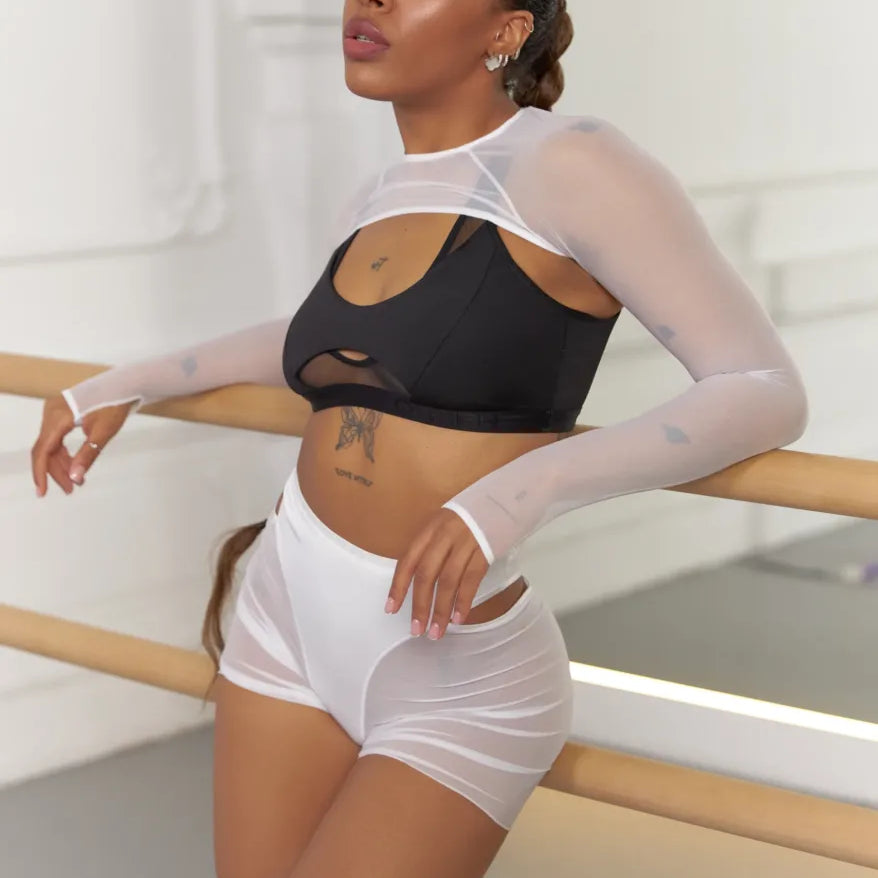
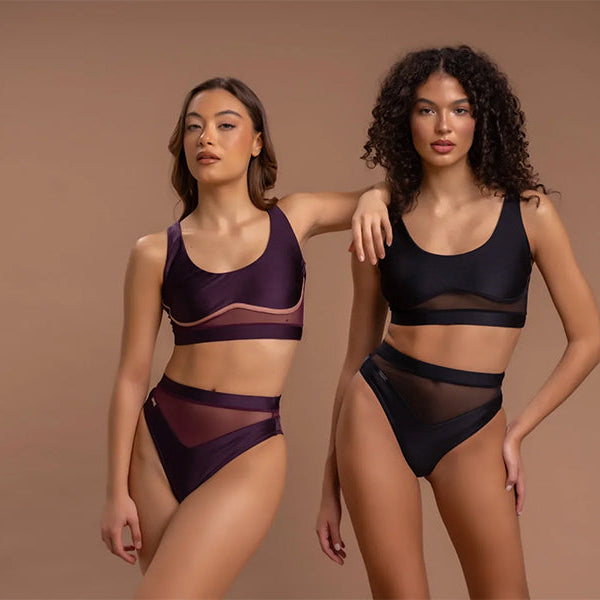
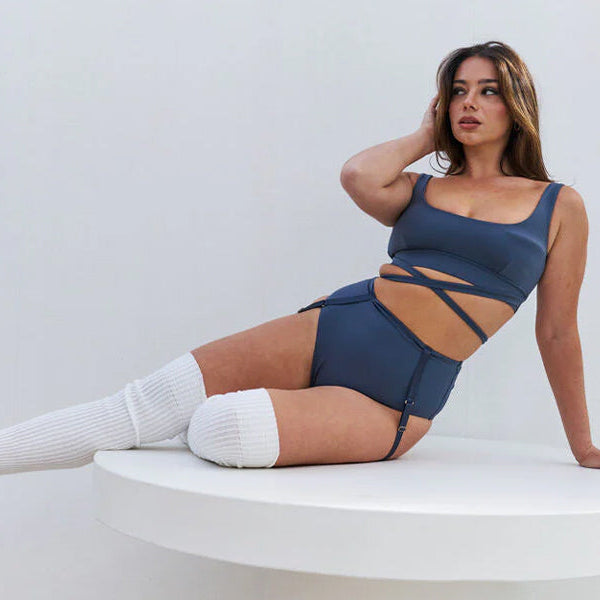
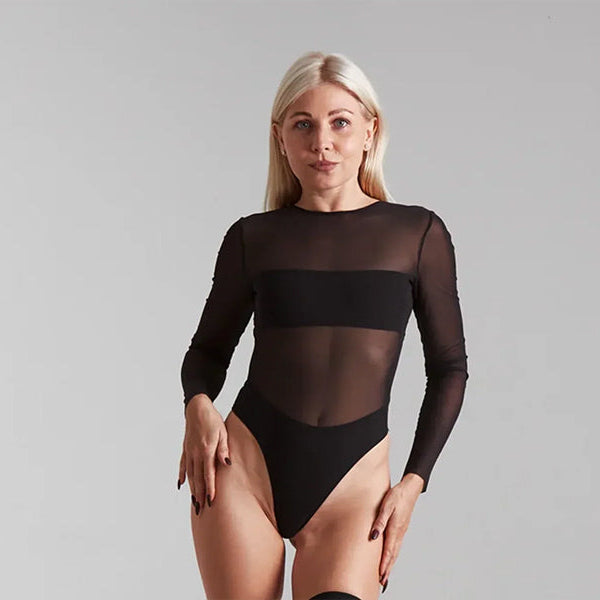
Pole dancing requires skin-to-pole contact for grip. This means your pole fitness clothing needs to strategically expose the right areas inner thighs, arms, midriff - while still feeling comfortable and secure. Regular gym wear often covers these areas and makes learning harder and less safe.
The basics for pole fitness clothing:
-
Fitted shorts with a high enough leg cut to expose the inner thigh - this is your primary grip point
-
A fitted crop top, sports bra, or triangle top that stays put through inversions
-
Bare feet for pole work
For your first class, fitted athletic shorts and a sports bra from any brand works fine. As you get serious about training, dedicated pole fitness clothing makes a real difference in how well you can grip, how comfortable you are in the positions pole requires, and how your training sessions actually feel.
The Pole Edit carries premium pole fitness wear from brands like Lunalae, Rolling Brand, and Harna all shipped domestically from the US, no tariffs, easy returns.
Start with our Bottoms collection for your first quality pair of pole shorts, or browse our full pole fitness clothing collection to put together a complete training outfit.
Is Pole Dancing Good Exercise? The Verdict
Yes - unequivocally. Pole dancing is one of the most comprehensive physical fitness modalities available, combining full-body strength training, cardiovascular conditioning, flexibility development, balance, and coordination in a single practice. It's also the fitness activity that the most people consistently describe as "the first workout I've ever actually loved."
The evidence isn't anecdotal anymore. The pole community has been tracking its own results for long enough, and the physical transformation that consistent pole training produces is real, significant, and broadly documented.
The more interesting question isn't whether pole dancing is good exercise - it's why more people haven't started yet.
Find your first class. Wear something fitted. Arrive without lotion on your skin. And prepare to be genuinely surprised by what your body can do.
Shop pole fitness wear for your first class at thepoleedit.com US-based, founded by a pole dancer, ships fast with easy returns.

