


One of the most common things people say when they first discover the depth of the pole dance world is some version of: "I had no idea there were so many different types."
And there really are. What looks from the outside like one activity is actually a rich, branching discipline with distinct styles, aesthetics, competitive categories, and training philosophies, sometimes so different from each other that watching a sport pole performance and an exotic pole performance back to back, you'd barely guess they're considered the same discipline.
This guide covers all the major types of pole dancing from the highly athletic to the deeply expressive breaks down what makes each style distinctive, who it tends to attract, and what the right pole dance clothing looks like for each. Whether you're trying to figure out which class to sign up for, or you're a seasoned dancer curious about the broader landscape, this is the breakdown you've been looking for.
The Main Types of Pole Dancing
1. Pole Sport (Competitive / Fitness Pole)
Pole sport is the most athletic, technically structured style of pole dancing. If you watch someone execute a series of flawlessly clean inverts, spinning combinations, and strength holds on a pole, no heels, minimal embellishment, and an unmistakable gym-training energy - that's pole sport.
This style is regulated by international federations, most notably the International Pole Sports Federation (IPSF), which has established standardized judging criteria and is actively pursuing Olympic recognition for the discipline. Competitors are scored on technical difficulty, execution precision, and artistic impression in that order, with technique weighted most heavily.
What it looks and feels like: Clean, athletic, powerful. Pole sport performances are often compared visually to artistic gymnastics or aerial acrobatics. The emphasis is on holding the shape correctly, executing transitions without wobble or break, and demonstrating genuine strength in every position.
Who is drawn to it: People from gymnastics or athletic backgrounds, competitors, and dancers who prioritize technical mastery and measurable progression.
Training approach: Heavy conditioning work alongside pole technique. Strength training is built around pole-specific demands like pull-up progressions, core work, shoulder stability. Progress is tracked against specific moves and combinations.
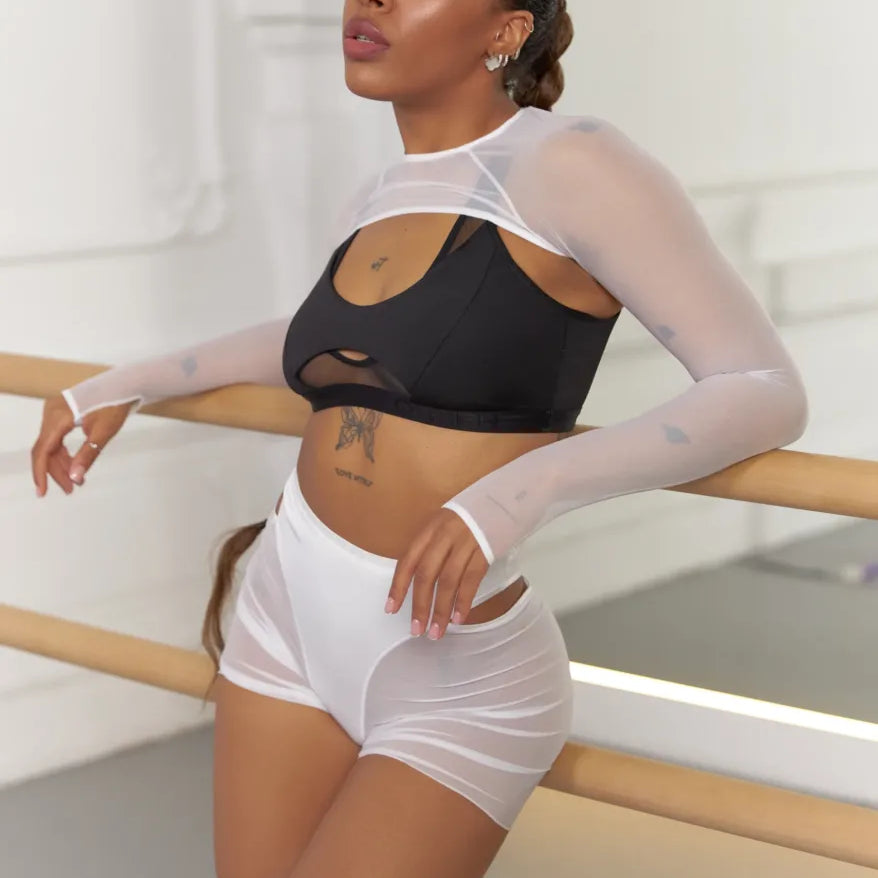
What to wear for pole sport: Minimal and functional. The traditional pole sport training uniform is a pair of pole shorts and a fitted crop top or sports bra, maximum skin contact for grip, nothing that interferes with the pole or the movement. Competition regulations vary by federation but generally restrict very short bottoms and require more coverage than exotic categories. Browse our Tops and Bottoms collections for clean, technical training pieces.
2. Exotic Pole Dance
Exotic pole is the style most associated in popular culture with pole dancing's origins and it has evolved dramatically from those roots into a sophisticated competitive and artistic discipline in its own right.
The defining characteristics of exotic pole: heels (typically 7-inch platform pole shoes), floor work, sensuality, fluid movement quality, and a strong emphasis on musicality and performance presence. Where pole sport judges your body position and technical execution, exotic pole is about how the whole package reads the costume, the mood, the story you're telling, the relationship between the music and your movement.
What it looks and feels like: Sensual, theatrical, expressive. Floor work slides, body waves, crawls is central and often as technically demanding as the pole work. The heels completely change the movement vocabulary and require significant practice in themselves.
Who is drawn to it: Dancers who connect with self expression and theatricality, people from entertainment backgrounds, and anyone who finds that moving in heels unlocks a specific kind of confidence and presence.
Sub-styles within exotic pole:
-
Exotic Flow: Continuous, never-stopping fluid movement where pole sequences blend seamlessly into floor work. Emphasizes beautiful lines and effortless-looking transitions.
-
Exotic Hard: High energy, fast music (often dubstep or hip-hop), dynamic tricks and jumps. The most athletic of the exotic sub-styles.
-
Classique (Australian Style): Often considered the original modern exotic style, originating in Australia. Characterized by its explicitly sensual quality combined with spectacular tricks and beautiful, challenging moves.
-
Exotic Old School: Most directly connected to the entertainment world roots of pole dance. Emotionally charged, deeply sensual, very feminine in its movement language.
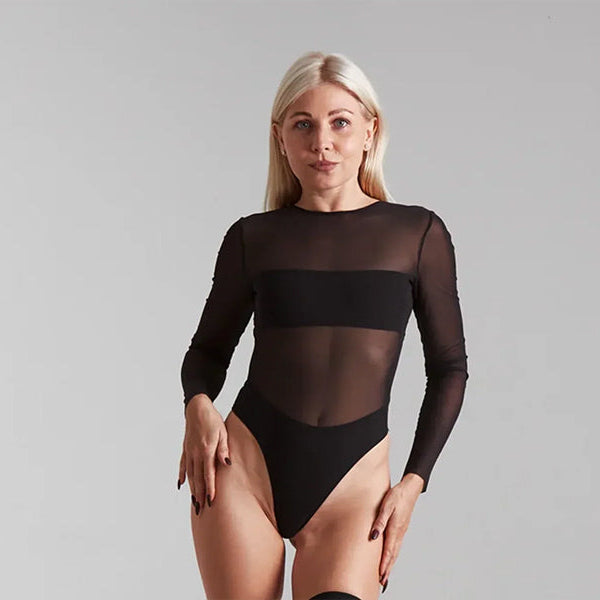
What to wear for exotic pole: This is where the most theatrical polewear lives. Bold bodysuits, sequin sets, lingerie-inspired pieces, and of course the heels. For training, a minimal set that works well for floor contact and heels is essential. For performance, everything from our Bodysuits collection including the Blue Sequin Scorpio Bodysuit is built for exactly this.
3. Artistic Pole
Artistic pole sits between pole sport and exotic on the expression spectrum, but its defining quality is neither technical acrobatics nor sensuality - it's storytelling.
An artistic pole performance is a piece of theater on a vertical surface. The dancer chooses a concept, music, costume, and movement vocabulary that all work together to convey an emotional or narrative message. The judging criteria for artistic pole competitions weight "artistic impression" most heavily which means the technical elements of the performance are in service of the concept, not the other way around.
Artistic pole has produced some of the most memorable pole performances in recent years, including Kristy Sellars' multimedia performances on America's Got Talent (season 17, 2022), which introduced millions of non-pole viewers to what artistic pole can be.
What it looks and feels like: Deeply varied because the whole point is original expression, no two artistic pole performances look alike. One might be serene and contemporary, another theatrical and dramatic, another dark and intense. The pole is a tool for the story, not the story itself.
Who is drawn to it: Dancers with strong artistic and choreographic instincts, people from theatrical or contemporary dance backgrounds, and anyone who wants pole to be a vehicle for genuine creative expression.
What to wear for artistic pole: Whatever the performance concept demands. This is the category where costume creativity is most valued the right costume is part of your artistic score. Training pieces tend toward functional but expressive.
4. Pole Flow / Contemporary Pole
Pole flow is perhaps the most meditative of the pole dance styles. Heavily influenced by contemporary dance and improvisation traditions, flow-based pole work prioritizes seamless transition, emotional connection to the music, and the sensation of movement as its own end rather than as a means to a trick.
In a pole flow session, you might see: long, unbroken movement phrases where the dancer moves between the pole and the floor continuously; an absence of dramatic "show" tricks in favor of subtle, flowing connections; music choices that are often unusual for pole ambient, classical, experimental.
What it looks and feels like: Meditative, intuitive, deeply personal. Pole flow is often described by its practitioners as a moving meditation or somatic practice as much as a dance or athletic discipline.
Who is drawn to it: People with contemporary dance or yoga backgrounds, mindfulness-oriented practitioners, and experienced pole dancers who have moved beyond trick acquisition toward expressive movement quality.
What to wear for pole flow: Soft, dance-inspired pieces. Often slightly more coverage than other styles sometimes sweatpants or flowing pants for the floor work portions, transitioning to shorts for pole contact sections.
5. Pole Acrobatics (Pole Acro)
Pole acrobatics sits at the extreme athletic end of the discipline, emphasizing aerial moves, dynamic transitions, big drops, and power-based combinations. Where pole sport emphasizes clean technical execution of established moves, pole acro often pushes into more improvised and experimental territory higher risk, more dynamic, more aerial.
This style tends to attract people from aerial arts backgrounds silks, hoop, trapeze - who bring an aerial acrobatics sensibility to the pole.
What to wear for pole acro: Maximum skin exposure for maximum grip. Function entirely first - this is not the category for elaborate costume pieces during training.
6. Heels Flow (Non-Aerial Exotic)
A relatively newer sub-category that's developed a significant following: heels flow focuses on the floor work and movement quality elements of exotic pole without the aerial pole components. It's performed in heels, emphasizes legwork, body waves, and grounded sensuality, and draws heavily from vogue, contemporary, and jazz dance traditions.
Many studios now offer heels flow as a standalone class, which provides an accessible entry point into heels-based movement without the additional complexity of pole work.
What to wear for heels flow: Exotic-style polewear that works for floor contact smooth fabrics for slides, knee pads for extended floor work, and the heels themselves. Our Bottoms include styles suited to floor-intensive training.

What Type of Pole Dancing Is Right for You?
Honest answer: you don't have to choose, especially at the beginning.
Most students come to pole through whatever class is available at their local studio - often a general pole technique class that blends pole sport foundations with some expressive elements. From there, you naturally gravitate toward what resonates. You might find yourself obsessively watching exotic competition videos and know immediately that's your direction. Or you might attend an artistic pole workshop and feel something click that hadn't before.
A few useful starting points:
If you come from a gymnastics or athletic background → Pole sport and pole acrobatics tend to feel intuitive.
If you come from dance, especially contemporary or jazz → Artistic pole and pole flow tend to resonate.
If you're drawn to theatrical, expressive, heels-focused movement → Exotic pole in any of its sub-styles.
If you want to feel strong AND expressive without committing to a category → General pole technique with a focus on building your own style. Most experienced pole dancers draw from multiple styles anyway.
Pole Dance Clothing for Every Style
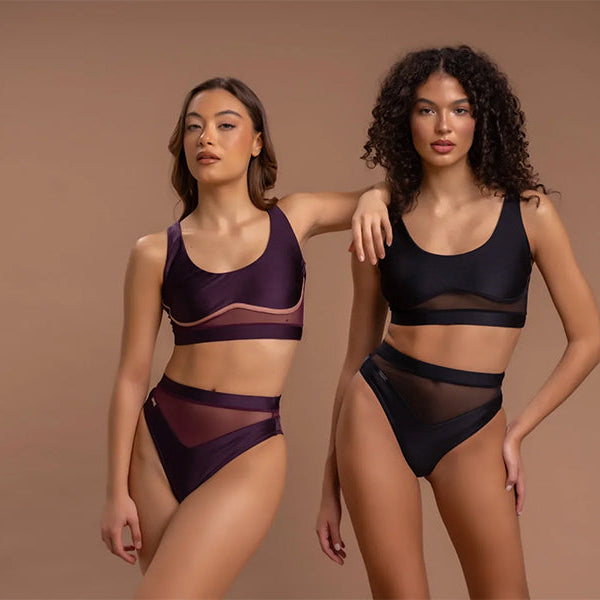
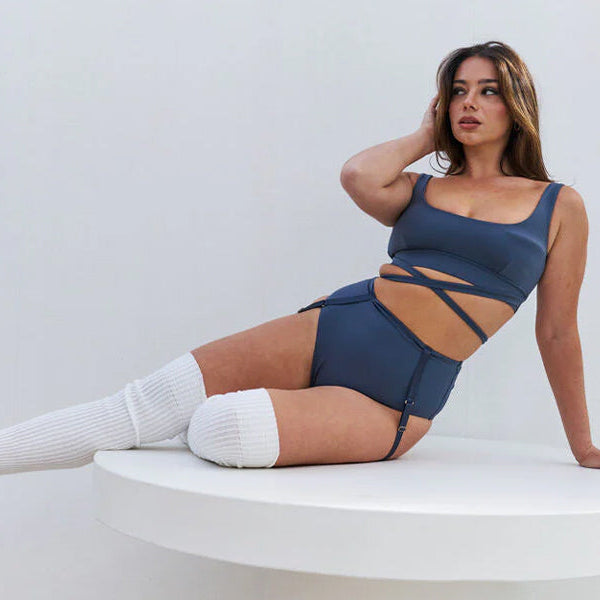
Regardless of which type of pole dancing you're drawn to, the common thread across all styles is quality polewear built for real movement. The specific cut and aesthetic varies sport pole lives in minimal functional pieces, exotic pole embraces theatrical costuming, artistic pole dresses for the concept but the underlying requirement is the same: engineered for pole, built to last, fitted to move.
The Pole Edit carries polewear that serves every style in the discipline from clean training basics to performance-grade sequin bodysuits. All shipped from the US, by a store founded by a pole dancer, with no tariff surprises and easy returns.
Browse by category: Tops, Bottoms, Bodysuits
Or by brand: Lunalae, Rolling Brand, Harna, Paradise Chick, Nona Perkasa
Your style is in there. Find it at thepoleedit.com.

