


Every serious pole dancer eventually has an injury conversation. Not always their own - sometimes a studio friend who tweaked their shoulder, an Instagram account that went quiet for three months, an instructor who modified their teaching after something happened during a drop.
Pole dancing is a physically demanding athletic discipline. Injuries happen. But the pole community has learned through years of collective experience and increasingly through sports medicine collaboration that the vast majority of common pole injuries are preventable with the right training habits, and that recovery is faster and more complete when approached intelligently rather than impatiently.
This guide covers the landscape honestly: the most common injury types in pole dancing, why each one happens, how to prevent it from happening to you, and what recovery looks like when prevention fails. This is not medical advice - it supplements, not replaces, professional healthcare guidance.
The Most Common Pole Dance Injury Categories
1. Shoulder Injuries
The shoulder is the most commonly injured joint in pole dancing, and for understandable mechanical reasons. The shoulder complex including the rotator cuff, shoulder labrum, and the muscles of the upper back is asked to do an extraordinary amount of work in pole training. Every climb, every invert, every strength hold loads the shoulder in ways that most conventional exercise never approaches.
The specific injuries:
Rotator Cuff Strain/Tendinopathy - The rotator cuff is a group of four muscles that stabilize the shoulder joint. In pole dancing, chronic overuse, insufficient warm-up, and poor shoulder mechanics during inverts and holds are the primary causes of rotator cuff strain. It presents as aching pain in the shoulder, often worse at night, with reduced strength in specific directions.
Shoulder Impingement - Occurs when the rotator cuff tendons are compressed between the bones of the shoulder during overhead movements. Common in pole dancers who perform a lot of overhead work without adequate shoulder conditioning.
Shoulder Labrum Irritation - The labrum is the cartilage ring that stabilizes the ball in the shoulder socket. Twisting grip moves particularly twisted grip shoulder mounts - can place significant stress on the labrum if the shoulder isn't adequately conditioned.
How to prevent shoulder injuries:
Warm up the shoulder joint, specifically, before every session. This means shoulder CARs (Controlled Articular Rotations) slow, full-range-of-motion circles that lubricate the joint and prepare the surrounding tissues, not just general cardio warm-up.
Strengthen the rotator cuff off-pole. Resistance band external rotation exercises, face pulls, and band pull-aparts directly strengthen the muscles most commonly strained in pole. Including these in your conditioning routine is the highest-ROI injury prevention investment you can make.
Learn shoulder engagement before loading. "Passive hanging" hanging from the pole with relaxed, elevated shoulders - is one of the most common sources of shoulder injury in beginners. Active hanging, where the shoulder blades are pulled down and back before any load is placed on the joint, distributes force through the muscles rather than the connective tissue. Learn this distinction early.
Progress twisted grip conservatively. Twisted grip moves, particularly shoulder mounts, should be introduced progressively with sufficient shoulder conditioning in place. Rushing to twisted grip shoulder mounts before the shoulder is ready is a common source of labrum stress.

2. Wrist and Forearm Issues
The wrist and forearm absorb significant repeated stress in pole training gripping, bearing weight, and absorbing impact from spins and dismounts.
The specific issues:
Wrist Tendinopathy - Overuse inflammation of the wrist tendons, presenting as aching or sharp pain in the wrist during gripping. Common in dancers who dramatically increase training volume without adequate adaptation time.
Forearm Flexor Strain - The flexors of the forearm work extremely hard during pole gripping. Overuse, particularly in the early months when grip strength is being built rapidly, can create inflammation in these muscles or their tendons.
How to prevent wrist and forearm issues:
Warm up the wrists. Wrist circles in both directions, wrist extension and flexion stretches, and gentle weight-bearing wrist preparation (on hands and knees, rocking forward and backward) before each session.
Grip with the full palm, not just the fingers. As covered in technique guides, finger-only gripping concentrates load in the smaller structures. Full palm contact distributes load more safely.
Progress training volume gradually. The most common cause of tendinopathy is too much load too quickly. Increase training frequency or intensity by no more than 10% per week.
Take the training calluses seriously. The skin calluses that develop on the palm from gripping are not just aesthetic - they're a sign of tissue adaptation. Let them develop at their own pace rather than taping over pain to continue training through injury.
3. Knee and Inner Thigh Issues
The knee and inner thigh are significant grip surfaces in pole dancing which means they take repeated friction and pressure loads that conventional sports never place on these areas.
The specific issues:
Knee Bruising and Skin Conditioning - Not an injury in the clinical sense, but relevant: the repeated pressure and friction of knee contact with the pole creates bruising and soreness in the early months. The skin and underlying tissue adapt over time.
Inner Thigh Strain - The adductor muscles of the inner thigh are loaded heavily in the pole sit, thigh hold, and any grip-intensive inversion. Strain is possible if these muscles are pushed beyond their current capacity, particularly when fatigued.
Patellofemoral Issues (Kneecap Pain) - Repeated floor work involving kneeling and knee spins can create irritation in the patellofemoral joint, particularly without knee pads.
How to prevent knee and inner thigh issues:
Use knee pads for floor work. Not optional for regular floor work training - hard kneecap-to-floor contact causes patellofemoral inflammation that limits training. Proper pole dance knee pads with a sliding surface make floor work both safer and better-executed.
Strengthen the adductors off-pole. Copenhagen planks, adductor side-lying raises, and lateral band walks specifically strengthen the inner thigh complex. Stronger adductors mean more reliable grip and less strain risk.
Don't force the thigh grip before the skin is conditioned. The inner thigh skin needs time to adapt to repeated pole contact, just like the palms do. Pushing through significant pain in the thigh hold or pole sit early on usually results in bruising that forces rest. Gradual adaptation is faster in the long run.
4. Lower Back Issues
Lower back pain in pole dancers typically comes from one of two sources: insufficient core stability during loading, or overextension in backbend positions without adequate preparation.
How to prevent lower back issues:
Build core stability before loading. The hollow body position core engaged, lower back neutral — must be genuinely strong before advanced pole work places significant spinal load. Hollow body holds, dead bugs, and core anti-rotation exercises build the foundation.
Warm up the lumbar spine specifically. Cat-cow mobilization, child's pose, and gentle lumbar rotation before any session involving backbends or inverted work.
Progress backbends carefully. Back flexibility is trainable, but forcing range of motion beyond what the supporting muscles can control is a recipe for lower back strain. Flexibility and strength must develop together.
5. Grip and Skin Injuries
Ripped Calluses - When existing palm calluses tear during training, exposing raw skin underneath. Painful, forces rest, and preventable.
Prevention: Keep calluses maintained - moisturize on rest days to prevent the skin from becoming brittle and cracking. File down any calluses that are developing ridges or "catches" before they tear. If a callus is feeling fragile, reduce grip-intensive training on that day.
Pole Burn - Friction burn from skin making unintended rapid contact with the pole during a spin or dismount. Usually minor but can be significant.
Prevention: Controlled dismounts and spin exits. Learning to decelerate spins intentionally rather than allowing them to stop with friction.
When to Stop Training and See a Healthcare Professional
This list indicates situations where training through discomfort is not appropriate and professional assessment is necessary:
-
Sharp, specific pain during or after a move (as opposed to general muscle soreness)
-
Pain that limits range of motion - shoulder that won't raise overhead, wrist that can't bear weight
-
Pain that doesn't resolve within a few days of rest
-
Any incident involving a fall from height onto the shoulder, neck, or head
-
Clicking or popping in a joint accompanied by pain
-
Swelling in any joint
For pole-related shoulder, wrist, or knee injuries specifically, a sports physiotherapist with experience in aerial arts or gymnastics is the most appropriate first point of contact. General practitioners often have limited exposure to the specific demands of pole training and may give overly conservative advice that isn't calibrated to your actual activity.
The Return to Training Protocol
When an injury requires rest, the return to training is as important as the recovery period. Returning too early or too intensely is the most common cause of re-injury.
The general framework:
-
Full rest until pain-free in daily activities
-
Gentle rehabilitation work (physiotherapist-guided)
-
Return to low-load training - warm-up level intensity only, no pain
-
Gradual progressive return over 2–4 weeks
-
Full return when previous intensity is achievable without pain or compensation
Patience here is not weakness - it's the fastest path back to full training. The dancers who rush return and re-injure spend more total time away from the pole than those who return conservatively and completely.
Training Smart: What to Wear for Injury Prevention
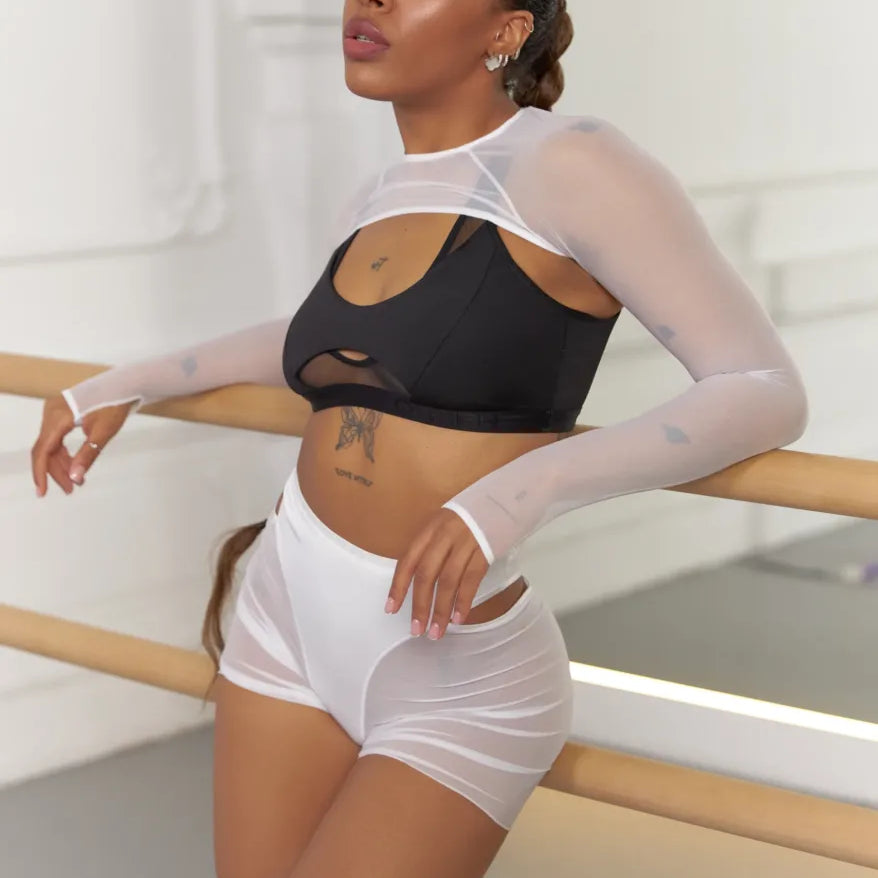
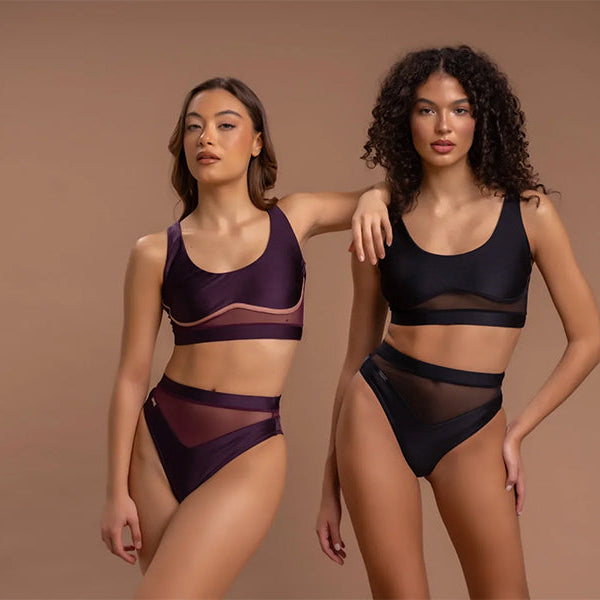
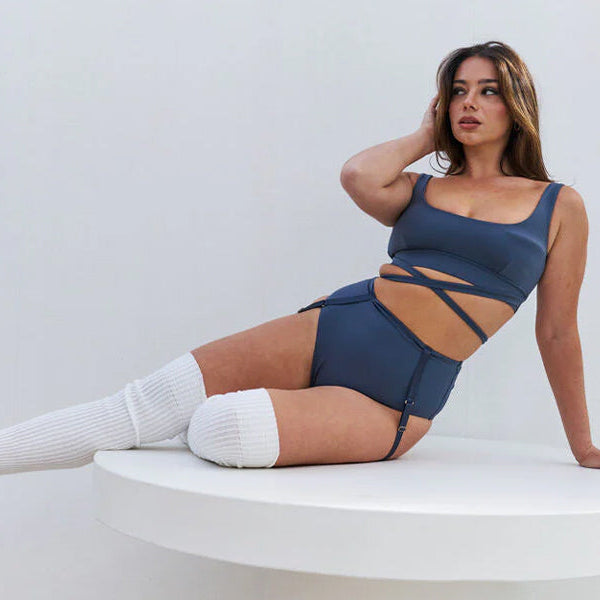
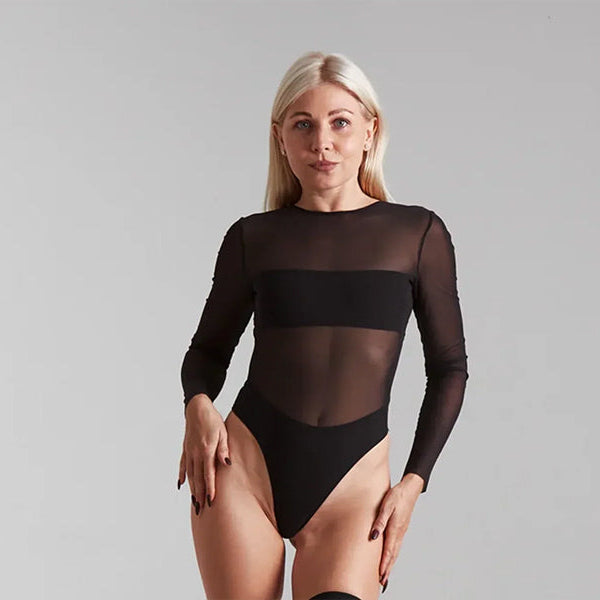
Appropriate pole dance training clothing is part of the injury prevention picture - not just aesthetics. Shorts that expose your grip zones allow proper skin-contact grip that reduces the compensatory gripping that leads to wrist and forearm strain. A fitted top that stays put means you can feel your shoulder engagement correctly.
Browse quality pole fitness clothing at The Pole Edit — Lunalae, Rolling Brand, Harna and more, all shipped from within the US with no tariffs and easy returns.
Shop Bottoms, Tops, and the full collection. Train hard, train smart, train for the long term.

