


If there's one debate that comes up constantly in pole dancing studios, beginner Facebook groups, and late-night deep dives into the pole community's Reddit threads, it's this one:
Shorts or leggings?
And the honest answer is: it depends. But not in a wishy-washy way it depends on very specific factors that, once you understand them, will completely change how you approach your pole wear choices.
This breakdown covers everything: the functional difference between pole shorts and leggings, which bottoms work best for different types of classes, where leggings actually shine, when pole shorts are non-negotiable, and what the pole community has learned from years of trial (and friction burns) and error.
The Core Issue: Skin Contact is Your Grip
Let's start here, because this is the principle that drives the entire shorts-vs-leggings debate.
In pole dancing, your skin provides the friction between your body and the pole. No skin contact means no grip. No grip means you slide, which at best kills your move and at worst is a genuine safety issue.
The inner thighs are your most important grip point. When you climb, when you do a thigh hold, a Brazilian, a Gemini, a cross-knee release, every one of these moves requires direct skin contact on the inner thigh area. Leggings cover this entirely.
This is why the pole dance world default is shorts. It's not about aesthetics (though the aesthetics are genuinely great). It's physics.
That said, leggings haven't been entirely banished from the pole studio; they just have a specific and limited role.
When to Wear Pole Shorts
Pole shorts are the right choice for the vast majority of your time on the pole.
Once you're past the very first introductory sessions where you're mostly getting familiar with the pole and doing basic spins, you need your thighs exposed. Here's a breakdown of when pole shorts are the clear winner:
Any Move Requiring Leg Grip
The list of moves that require thigh-to-pole skin contact is long, and it grows as you advance:
-
Climbs (basic and advanced)
-
Thigh holds
-
Pole sits
-
Inverts using leg grip
-
Ayesha variations
-
Jade
-
Butterfly
-
Brazilian
-
Split grips that require leg assistance
-
Cross-knee release
-
Body waves and floorwork combinations that finish in a grip
If you're working on any of these moves in leggings, you're either gripping with your knee pits (which works briefly but isn't ideal), or you're not gripping at all. Most of your intermediate and advanced repertoire lives in the "need shorts" category.
When You're Inverted
Inverted work almost universally benefits from pole shorts. The fewer layers of fabric between your skin and the pole when you're upside down, the more secure your position and the more control you have over your descent.
Hot Days / Warm Studios
This is a practical one. Pole is physically demanding, studios get warm, and sweating through leggings is genuinely uncomfortable. Shorts regulate your body temperature much better during intense training sessions.
Performance & Showcases
With very limited exceptions, performances look better and function better in pole shorts or hot pants. The visual line is cleaner, the movement reads better for an audience, and the grip is more reliable.
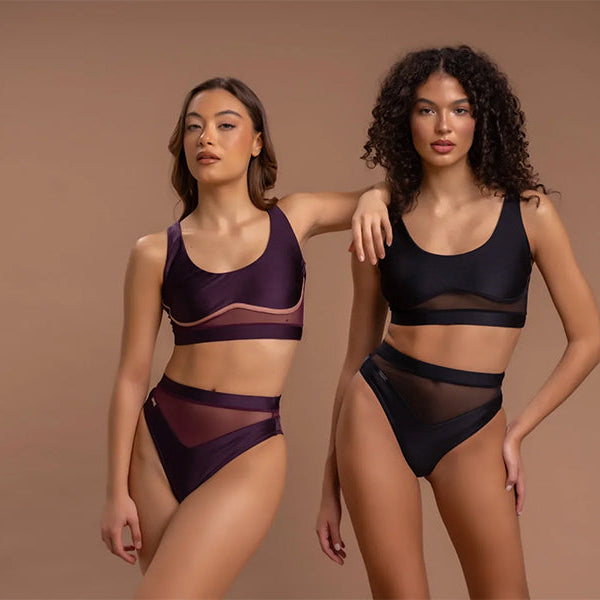
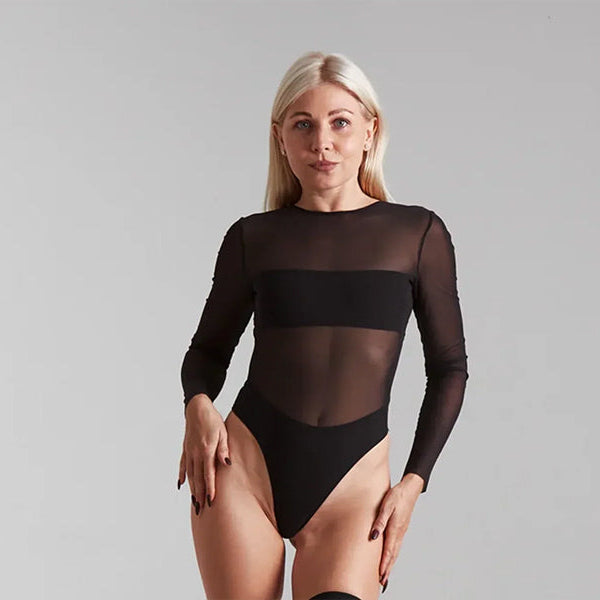
Check out our Bottoms collection for performance-ready pole shorts from bold prints to classic blacks, there's a pair for every performance aesthetic.

When Leggings Have a Place in Pole
Leggings aren't completely off the table in pole dancing. They have genuine utility in specific contexts:
Warm-Up
Your muscles need warmth before heavy training. Starting class in a pair of leggings over your shorts is standard practice for many pole dancers. You stay warm during the mobility and conditioning section of class, then peel down to your shorts when you move to pole work.
Very First Classes (Optional)
In your absolute beginner sessions - we're talking your first two or three classes, many studios allow leggings if it makes you more comfortable. At the beginner level, you're mostly working on basic spins that use your hands for grip, not your legs. Your instructor will tell you when it's time to transition to shorts.
Specific Floor Work Classes
Some floor work and contemporary-style pole classes use lower pole work and floorwork transitions that don't require as much leg grip. For these, leggings can occasionally work. But it's rare, and you'll usually still need shorts under them.
Practice Runs of Choreo at Home
Training on your home pole in leggings for choreo that doesn't require leg grip? Sure. Many dancers do this when they're drilling the arm and body work for a piece before adding the grip components.
Grip Leggings - A Middle Ground
There is a category of leggings specifically designed for pole dancing that uses a sticky/grip fabric in key contact zones. These aren't regular leggings - they're engineered with textured or tacky fabric panels at the inner thigh and knee that partially replicate the friction of skin contact.
These work reasonably well for some intermediate moves, but most experienced pole dancers will tell you that even the best grip leggings don't fully replace skin for advanced training. They're a useful middle ground for dancers who need more coverage (for temperature, comfort, or style reasons) but want to maintain some functionality.
The High Waisted Pole Shorts: Best of Both Worlds
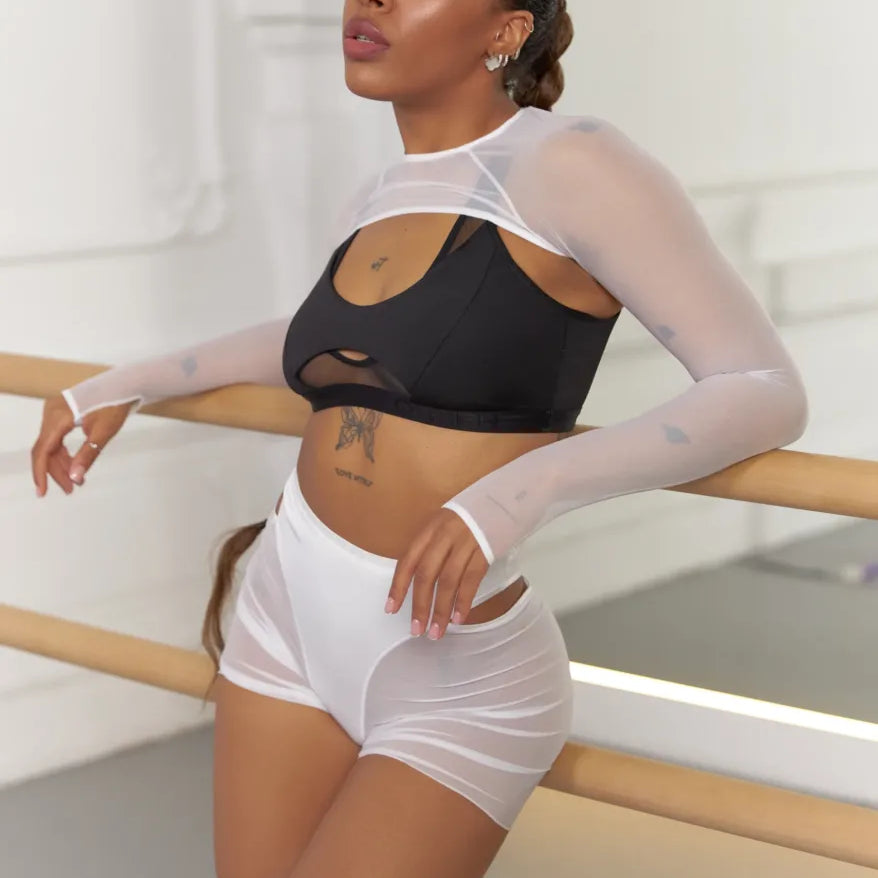
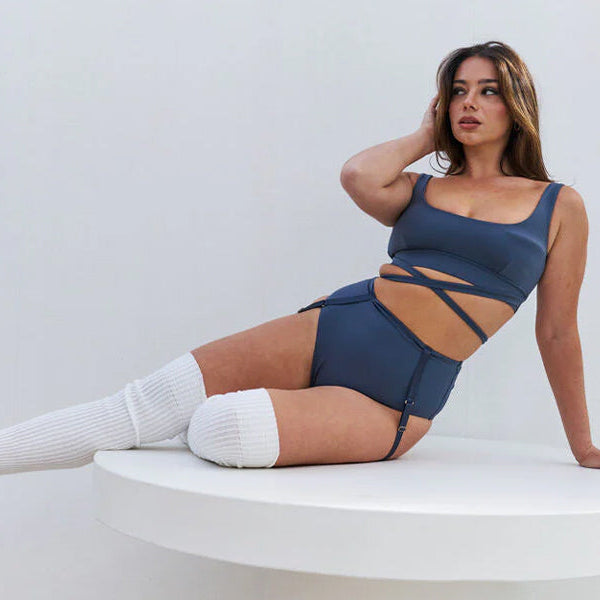
A lot of the "I want more coverage" instinct that drives beginner and intermediate dancers toward leggings is actually answered more effectively by high waisted pole dance shorts.
Here's why: the coverage concern is usually about the midsection, not the legs. People who feel uncomfortable in shorts often feel that way because of tummy or hip coverage, not because they want their thighs covered. High waisted pole shorts address this directly - they provide substantial midsection coverage while still giving you all the leg exposure you need for grip.
A wide, secure high waistband also gives you:
-
More stability during inversions
-
A more flattering silhouette
-
Greater confidence in dynamic movement
The GiGi Active Short is a beautiful example of a high-waisted style that solves the coverage question without sacrificing any of the grip functionality. The Botanica Reversible Vento Bottoms are another standout reversible, high-quality, and with a waist that stays put.
If you've been reaching for leggings because shorts feel like too little coverage, try a pair of high waisted pole shorts first. A lot of dancers find that they get all the security they were looking for without the functional compromise of leggings.
Full Coverage Pole Shorts vs. Mini Pole Shorts: The Internal Debate
Within the pole shorts category, there's also a debate between more coverage and less coverage. Let's break that down too.
Full Coverage (Longer Inseam)
What qualifies: bike short length (mid-thigh) or just above mid-thigh. These provide more coverage and are more beginner-accessible. They limit the available inner thigh grip surface but can work for beginner-level moves. Some dancers use these for warm-up before switching to shorter styles.
Best for: Very first classes, warm-up, pole styles that don't require heavy leg grip.
Mid-Length Pole Shorts
What qualifies: landing above mid-thigh, usually a 1-2 inch inseam. A versatile middle ground, enough thigh exposed for most training needs, not as minimal as hot pants. Many dancers settle here as their everyday training standard.
Best for: Most intermediate training, dancers who want a balance of coverage and function.
Hot Pants / Micro Shorts
What qualifies: very minimal inseam, high leg cut. Maximum thigh exposure and maximum grip surface. The standard for competitive and performance pole.
Best for: Advanced training, performance, competition, dancers fully comfortable with high coverage levels.
Explore the full range in our Bottoms collection. We carry multiple cuts across our brand partners so you can find exactly where on the shorts spectrum works for you.
What the Pole Community Actually Wears
To give you a real-world breakdown, here's roughly how experienced pole dancers tend to divide their wardrobe:
For regular training: High waisted or mid-rise pole shorts. A reliable pair that they've worn to death and know works for their move set. Something from a brand they trust like Rolling Brand, Lunalae, or similar.
For performance/showcases: Hot pants or minimal shorts, often in a bold print or sequin. Rolling Brand sequin hot pants are a community favorite for stage moments.
For warm-up: Leggings or joggers over their training shorts. These come off before pole work begins.
For grunge/conditioning days: Often their oldest, most worn-in pair of pole shorts. Comfort over aesthetics.
For photoshoots: Whatever makes them feel the most powerful. Usually their most statement piece is matching sets, bold colors, performance-grade designs.
The Bottom Line: Shorts Win for Pole, Leggings Win for Warm-Up
To finally answer the question:
For actual pole work: Pole shorts are almost always the correct choice. From the moment you're doing moves that require leg contact which happens quickly - you need your thighs exposed. The specifics (high waisted, mid-rise, hot pants, full coverage or mini) depend on your level and your preferences.
For warm-up and mobility: Leggings are genuinely useful and comfortable here.
For coverage concerns: Try high waisted pole dance shorts before you default to leggings. They solve most of the coverage issues without the functional compromise.
For advanced training and performance: Hot pants. You'll know when you're ready.
Shop Your Next Pair of Pole Bottoms
Ready to find your new favorite shorts? The Pole Edit carries a curated range of pole dance bottoms from premium international brands - all shipped domestically from the US.
No tariff surprises. No three-week waits. Easy returns if the size isn't right. Founded by a pole dancer who understood exactly what the community needed.
Browse the full Bottoms collection or shop all products at thepoleedit.com.
Your perfect pair is in there.

