

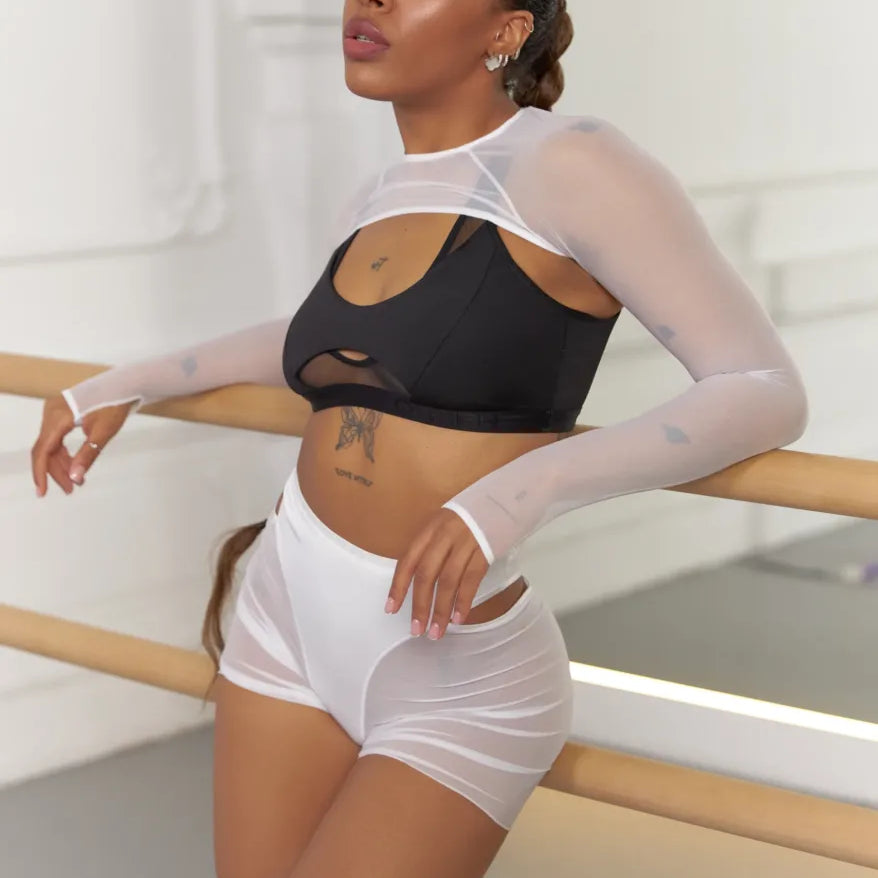
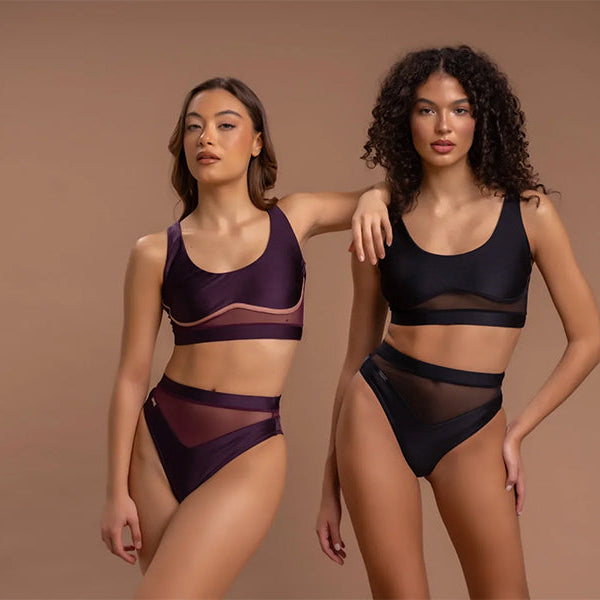
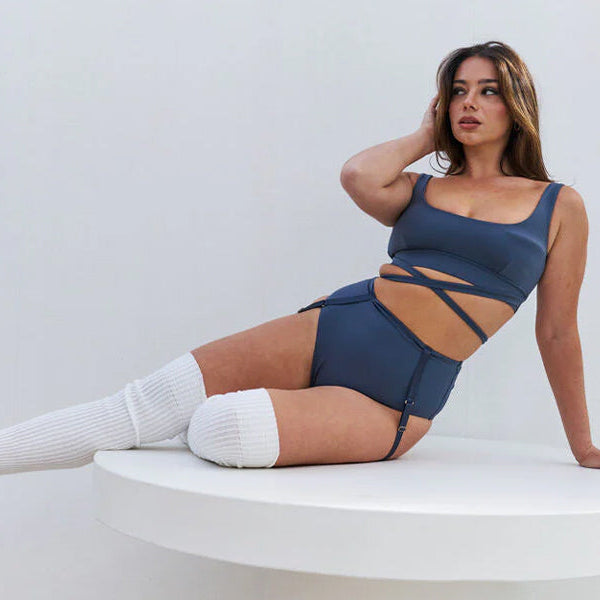
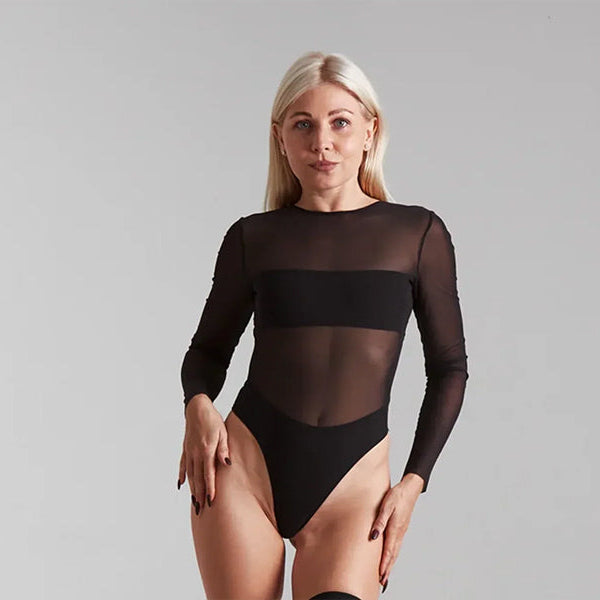

Walk into any fabric conversation and the term "heavy duty" gets thrown around as a synonym for quality. Heavy-duty construction. Heavyweight materials. Thick, sturdy fabric. The implication is always the same: more weight equals more durability, more quality, more value.
For activewear and polewear specifically, this turns out to be more complicated and more interesting. Understanding fabric weight as a concept, how it's measured, and what it actually means for performance in different clothing categories helps you make genuinely informed decisions about what you're buying and why.
This is the complete guide.
What Fabric Weight Actually Means
Fabric weight is measured in grams per square metre (GSM) - a straightforward measurement of how much material is in a given area of fabric. A higher GSM number means more fabric mass per area; a lower GSM number means less.
This single number tells you a surprising amount about a fabric:
Higher GSM (heavier fabric) generally indicates:
-
More fabric content in the structure
-
Higher thread or fibre density
-
More opacity (less see-through)
-
More warmth retention
-
Potentially more durability depending on construction
-
More structure and body
Lower GSM (lighter fabric) generally indicates:
-
Finer, more delicate construction
-
Better breathability and airflow
-
More drape and flow
-
Less structure moves with the body
-
Lighter weight in wear
Neither is inherently superior; the right GSM for any garment depends entirely on what that garment needs to do.
GSM Ranges for Activewear: What the Numbers Mean
Lightweight (100-150 GSM)
Used in: Mesh panels, running vests, breathable underlayers, warm-weather training tops.
What it feels like: Very light, almost airy. Maximum breathability. Very little structure - drapes rather than holds shape.
For pole training: Lightweight fabrics work for tops in warm studio environments and for mesh detailing that provides ventilation without coverage. They're typically not appropriate for pole shorts or any piece that needs to maintain its structure through dynamic movement - too little fabric content to hold up under friction and repeated stress.
Midweight (150-230 GSM)
Used in: Most quality activewear shorts, training tops, sports bras, yoga wear.
What it feels like: The sweet spot for most active wear soft, structured enough to hold shape, light enough for breathable training, with visible body and recovery.
For pole training: This is the primary GSM range for quality polewear. Lunalae's nylon-spandex fabrics, Rolling Brand's training pieces, and most performance-focused polewear sits in this range. Light enough for comfort through a full training session, substantial enough to resist the abrasion and stress of pole contact.
The specific feel within this range varies significantly based on fibre quality and construction - a 180 GSM premium nylon-spandex feels remarkably different from a 180 GSM cheaper polyester blend, even though the weight number is identical.
Heavy Midweight (230-300 GSM)
Used in: High-compression shorts, structured waistbands, winter training pieces, heavier bralette styles.
What it feels like: Noticeably substantial to the touch. Provides real compression. Holds shape even under significant stretch. Warmer than lighter weights.
For pole training: Heavy midweight fabrics are used in specific applications - particularly in high-compression training shorts where maximum support and shape retention is the priority, and in structured waistband panels where weight provides stability. Some dancers prefer heavier weight pieces for cooler studio environments.
The trade-off: heavier fabrics are less breathable and can feel warmer in intensive training. For hot summer sessions, a heavy midweight piece will feel noticeably more restrictive than a lighter equivalent.
Heavy-Duty and Heavyweight (300+ GSM)
Used in: Outerwear, technical climbing fabrics, heavy canvas, structured jersey.
What it feels like: Substantial, structured, warm. Think of the weight difference between a summer t-shirt and a quality sweatshirt fabric.
For pole training: True heavy-duty fabrics at 300+ GSM are generally too heavy for standard pole training - they restrict range of motion, create excessive warmth, and don't have the stretch-to-weight ratio that pole-specific fabrics need. However, elements within a polewear piece (the waistband, specific reinforced panels) may use heavier construction for structural reasons.
The "Heavy Duty" Confusion in Activewear Marketing
"Heavy duty" in activewear marketing doesn't always mean literally heavyweight fabric. It's often used to describe:
Structural reinforcement at stress points: Double-stitched seams, reinforced waistband attachment, or gusset panels at high-stress areas. These make a piece "heavy duty" in the sense of durability without necessarily adding significant GSM to the overall fabric.
High-performance technical fabrics: Some lightweight fabrics are technically "heavy duty" in the sense of being high-performance and durable - they're engineered for strength at lower weight rather than relying on weight for durability.
Marketing language: Sometimes "heavy duty" is just a descriptor without precise technical meaning. The actual GSM and construction tell you more than the marketing term.
For polewear specifically, durability comes more from fibre quality and construction engineering than from weight alone. A well-constructed 180 GSM nylon-spandex piece from Rolling Brand or Lunalae will outlast a cheaper 250 GSM polyester blend because the material quality and seam construction are superior not because of the weight difference.

Practical Guide: Fabric Weight for Pole Dancers by Season and Use
Hot studio / summer training: Target 150–180 GSM. Maximum breathability. Light fabrics that wick and dry quickly. Prioritise fibre quality (nylon over polyester) over weight.
Temperature-controlled studio / year-round training: Target 180–220 GSM. The performance sweet spot for most pole training. Enough structure for all-day wear and heavy training, light enough for comfort at higher intensities.
Cold studio / winter training: Target 220–270 GSM for main pieces, or layer lighter pieces with a warm-up layer. Heavy midweight pieces provide warmth and compression for cold-environment training.
Performance and showcase: Weight matters less than aesthetic and construction quality for performance pieces. Sequin bodysuits from Rolling Brand use specific construction for visual impact that doesn't map directly to the GSM scale - the sequin fabric weight is a different consideration.
How to Assess Fabric Weight Without a Lab
You don't need a GSM scale to develop a feel for fabric weight. With practice, you can assess approximately where a fabric sits just by handling it:
The drape test: Hold the fabric up by one corner and let it fall. Heavier fabrics fall with more authority and hold their drape. Lighter fabrics float and move more.
The stretch-and-look test: Stretch the fabric and look through it. Lighter fabrics become translucent more quickly. Heavier fabrics maintain opacity.
The scrunch test: Scrunch the fabric in your fist and release. Lighter fabrics tend to crease more; heavier fabrics recover their shape more completely.
The two-hand feel: Place the fabric between thumb and finger and slide them together. The amount of material you can feel between them gives you a sense of density.
Shop Polewear With the Right Fabric Weight for Your Training
All products at The Pole Edit are curated from brands whose fabric engineering is appropriate for the specific demands of pole training - the right weight, the right fibre quality, the right construction for what the piece needs to do.
Browse Bottoms, Tops, and Bodysuits. All shipped from the US, no tariffs, easy returns. Founded by a pole dancer who cares about what clothing is actually made of.

