


Here's something the beginner pole content universe consistently skips: choosing the right studio matters enormously. Not just for your comfort on day one, but for the quality of your instruction, the pace of your progression, and whether you'll still be training six months from now.
A great studio can make the pole dance journey feel natural, supported, and joyful. A poor fit, wrong teaching style, wrong culture, wrong level structure can make you feel like pole dancing isn't for you when the real issue is just the environment.
This guide gives you a real framework for evaluating pole dance studios before you commit, the specific questions worth asking, the red flags that signal a poor-quality learning environment, and a practical list of what to bring on day one so you show up prepared.
Why Studio Selection Matters More Than You Think
Most beginners approach the studio search practically: find the closest one, check if there's a beginner class, sign up. This is understandable, but it misses some important factors.
Instruction quality varies enormously. Pole dancing instruction is not standardized the way, say, yoga teacher training is. There's no universal certification requirement. Some instructors are exceptionally technically precise, safety-focused, genuinely skilled at breaking down the mechanics for beginners. Others are talented dancers who haven't developed strong teaching ability. You won't know which you're getting until you're in the room.
Culture shapes the experience. Some studios are intensely performance-focused; others are community and wellness-centered. Some skew toward the athletic/sport end of the spectrum; others are heavily exotic and sensual. Neither is wrong, but the fit with what you're looking for matters significantly.
Level structure determines your progression pace. Studios that have well-defined level progressions with genuine criteria for advancement produce more technically competent dancers than those with vague or purely social-based level groupings. If you care about actual skill development, this matters.
Safety practices reveal professionalism. How a studio approaches safety crash mat availability, spotter protocols, how they handle requests that exceed a student's current ability tells you a great deal about whether they're prioritizing their students' wellbeing or just throughput.

The Studio Evaluation Framework
Step 1: Research Before You Contact
Look at their social media. Their Instagram and TikTok tell you: What style of pole does the studio emphasize? What does their student community look like, diverse or narrow? How do they present their instructors and students? Does it feel welcoming and inclusive or exclusive and performance-focused?
Read reviews with specific attention. Look for mentions of beginner experience, instructor quality, and how the studio handles students who struggle. Generic five-star reviews are less useful than specific accounts of what the beginner class actually felt like.
Check their class structure. Does the studio have clearly defined beginner classes separate from general or open pole? Is there a level system? Are the class descriptions informative about what you'll actually be doing?
Step 2: Ask These Specific Questions
When you contact a studio by phone, DM, or in person these questions separate well-run studios from mediocre ones:
"What does your beginner class actually cover over the first few sessions?" A good instructor or studio owner can tell you specifically: these spins, this foundational strength work, this safety orientation. A vague answer ("we cover the basics!") suggests less structured instruction.
"What are your instructors' backgrounds and qualifications?" Look for: pole-specific training or certification (Pole Fitness Association, PoleStar, or similar), first aid/CPR certification, years of both dancing and teaching experience. Not every excellent instructor has formal certification but their answer to this question reveals how seriously they take the craft of teaching.
"How do you handle students with injuries or physical limitations?" A responsible studio has a clear answer: they communicate with students, modify progressions as needed, and know when to refer out. A dismissive answer is a red flag.
"What's your cancellation and refund policy?" Practical, but reveals professionalism. A studio with no flexibility on cancellations when you have a genuine conflict is not prioritizing student relationships.
"Do you have crash mats?" The answer should be yes. Always.
Step 3: Do a Trial Class
Most reputable pole studios offer a first-class or trial rate before you commit to a package or membership. Always do the trial class before spending money on a multi-class package. You're evaluating:
The warmup: Does it feel appropriate and thorough? Does the instructor explain what each element is preparing for? A warmup that feels like a formality is a warning sign.
The instruction quality: Does the instructor break moves down clearly, step by step? Do they offer modifications? Do they check in with individual students throughout? Do they spot or assist safely?
The culture during class: How do other students treat beginners with warmth, patience, celebration of small wins? Or with an atmosphere of comparison and performance pressure?
Your body after class: Some soreness the next day is normal and expected. Actual pain that suggests you push beyond safe limits is not.
Step 4: Assess the Physical Environment
Pole quality and maintenance: Poles should feel secure with no wobble. Chrome should be clean. Spinning mechanisms should function smoothly. If a studio has poorly maintained equipment, what else are they cutting corners on?
Flooring: Dedicated pole dance flooring (often a sprung or padded surface, clean and maintained) is preferable to hard concrete. Slippery flooring near the poles is a hazard.
Space per pole: Crowded classes with too many students per pole limit your practice time and the instructor's ability to give individual feedback. A good ratio is no more than two students per pole.
Changing facilities and storage: Minor, but it matters for your overall comfort and the sense that the studio has thought about its students' experience.
Red Flags: When to Walk Away
These are signs that a studio is not the right learning environment:
Pressure to purchase packages before the trial class. A studio confident in its product lets you experience it before committing.
Dismissal of beginners. Any culture where newer students feel looked down on or dismissed by more advanced students is a sign of poor leadership the instructor or owner shapes that dynamic.
No crash mats. Non-negotiable safety equipment. If it's not there, the studio doesn't take safety seriously enough.
Instructors who can't break down technique. Excellent dancers who say "just watch me and copy it" are not excellent teachers. You deserve explanation, not demonstration-only instruction.
No clear level structure. Without defined levels and progression criteria, you'll have no framework for understanding your own development and studios can keep you paying for beginner classes indefinitely.
Social media that prioritizes aesthetic over substance. A studio whose entire presence is "look how sexy our dancers are" without any educational content, technique focus, or community celebration may prioritize a specific aesthetic over genuine instruction.
What to Bring to Your First Pole Dance Class
This is the practical end of the guide. Show up prepared so that your first experience is about the pole, not logistics.
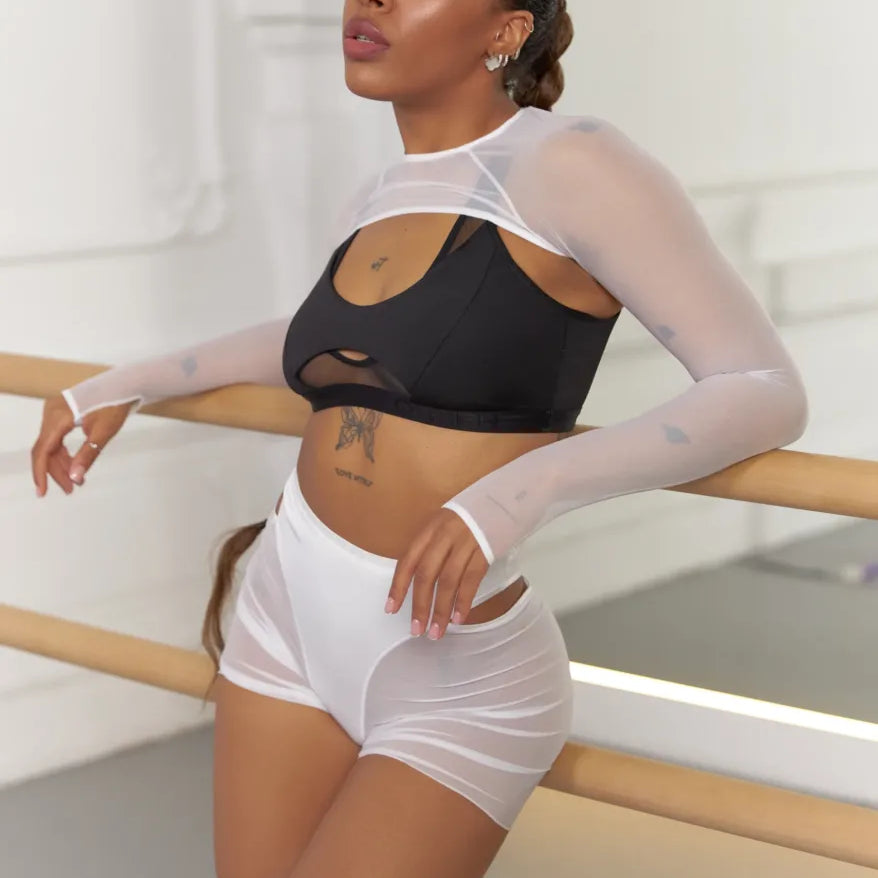
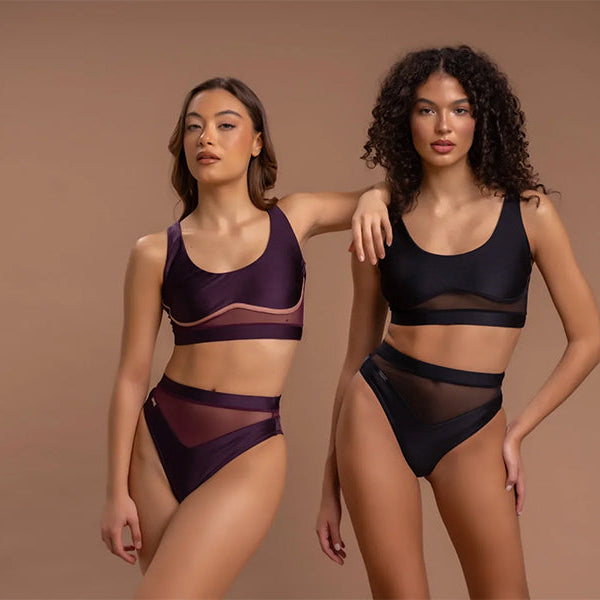
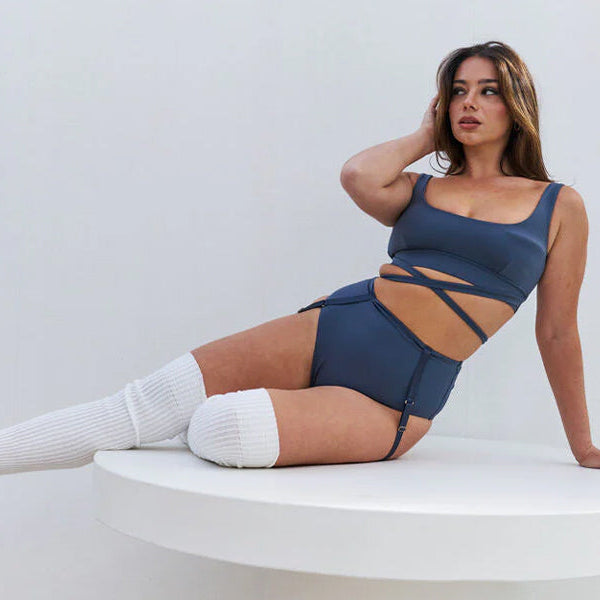
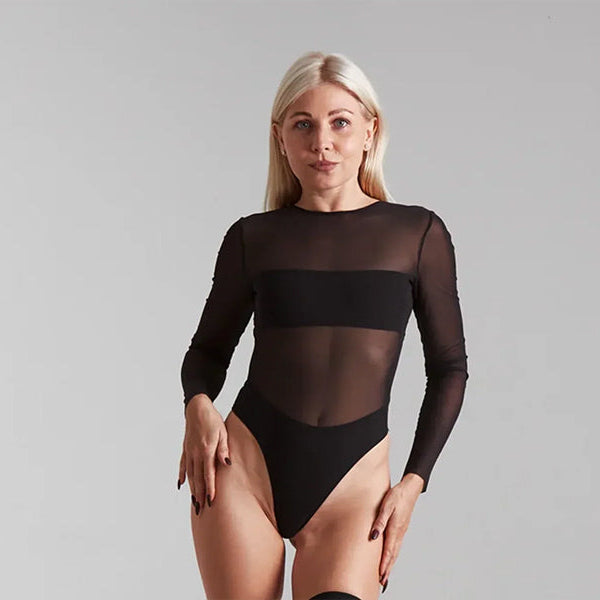
✅ Fitted shorts. High cut, inner thigh exposed. If you have dedicated pole dance shorts from our Bottoms collection bring them. If not, the most fitted athletic shorts you own that expose your inner thigh.
✅ A fitted top. Sports bra or fitted crop. Nothing loose that can catch the pole or flip during movement.
✅ Clean, dry, bare feet. No socks (slippery), no lotion anywhere on your body.
✅ A warm-up layer. Leggings and a hoodie to wear during warm-up, which you'll remove before pole work.
✅ A water bottle. You will sweat. Bring water.
✅ A small towel. For the pole surface between turns if the studio doesn't provide them, and for yourself.
✅ An open mind and realistic expectations. You will not be good on day one. Nobody is. What you will be is in the process of becoming a pole dancer and that's exactly the right place to be.
Shop your first pole dance class outfit at thepoleedit.com/collections/all everything ships from the US, no tariffs, easy returns if sizing needs adjusting. Founded by a pole dancer who remembers exactly what day one felt like.

