


There's a moment every developing pole dancer hits usually somewhere between months two and six where progress on the pole seems to slow even as you're training consistently. Climbs feel the same. That invert you've been working on isn't clicking. You're showing up, you're drilling, and the results aren't reflecting the effort.
In most cases, the answer isn't more pole time. It's what you're doing when you're not on the pole.
Off-pole conditioning is the secret weapon of every fast-progressing pole dancer, and it's one of the least-discussed aspects of pole training in mainstream content. This is the complete guide: what off-pole training to do, why each element matters, how to structure it around your pole sessions, and how your training clothes play into the picture.
Why Off-Pole Training Matters So Much for Pole Dancing
The pole develops the specific movement patterns and skill coordination of pole dancing. What it doesn't efficiently develop especially in limited session time is the raw foundational strength and mobility that all those skills depend on.
Think of it this way: pole training is the skill layer. Off-pole conditioning is the foundation that skill layer is built on. The thicker and stronger that foundation, the faster and higher the skills can build.
Specific gaps that off-pole training fills:
-
Grip and forearm endurance the pole trains this, but targeted grip work accelerates it dramatically
-
Shoulder stability the rotator cuff and shoulder stabilizers are the infrastructure of nearly every pole move; if they're weak, your ceiling is low
-
Core anti-rotation strength the ability to keep your spine neutral under load in multiple planes, which is exactly what inversions and holds demand
-
Hip flexor and hamstring flexibility needed for pole shapes that the pole itself doesn't progressively develop efficiently
-
Cardiovascular base a stronger cardio foundation means more productive pole sessions with less fatigue-limited learning

The Complete Off-Pole Conditioning Program
1. Pull-Up Progressions The Most Important Pole Supplement
If there is a single off-pole exercise that translates most directly to pole improvement, it's the pull-up progression. Pole dancing is largely a vertical pulling sport at its core climbs, inversions, and almost every strength hold involves pulling your bodyweight upward and controlling it on the way down.
For complete beginners (can't do a pull-up yet):
Dead hangs: Simply hang from a pull-up bar with relaxed shoulders, building up time 3 sets of 20–30 seconds. This builds grip endurance and decompresses the spine.
Scapular pull-ups: From a dead hang, without bending your elbows, pull your shoulder blades down and together. This activates the lats; the primary pulling muscle and is often the first movement that feels truly accessible to beginners.
Negative pull-ups: Start at the top position (jump or step up) and lower yourself as slowly as possible. This eccentric loading builds strength incredibly efficiently and is used by gymnasts and aerial athletes specifically for this reason.
For intermediate dancers (can do 1–5 pull-ups):
Work toward 3 sets of as many as possible, with full rest between sets. Add weight (a dumbbell held between the feet) once you can consistently do 8+ clean reps.
Why this translates: Every additional pull-up you can do is directly reflected in your climbing, invert strength, and ability to hold difficult positions for longer. This is the most efficient off-pole investment available.
2. Core Anti-Rotation Work
Most core training focuses on flexion (crunches) and extension (back extensions). What pole dancing actually demands is anti-rotation, the ability to resist the spine twisting under load, in multiple planes, often while inverted.
Hollow body hold: Lying on your back, arms overhead, press your lower back into the floor and raise your legs and upper back to create a "banana" shape. Hold for 20–30 seconds. This is the foundational core position for every inverted pole move and directly corresponds to the engaged core you need on the pole.
Dead bug: Lying on your back, arms pointing to ceiling, knees bent at 90 degrees. Slowly lower the opposite arm and leg simultaneously while keeping your back flat. The challenge is maintaining spinal position while your limbs move exactly the core demand of dynamic pole work.
Side plank with rotation: From a side plank, bring your top arm under your body, rotating through the thoracic spine. This trains rotational core strength that translates directly to twisted pole moves and side-body holds.
Stir the pot (on a stability ball): In a plank position with forearms on a stability ball, make slow, controlled circles with your elbows. The instability demands constant core engagement across all planes simultaneously.
3. Shoulder Stability and Rotator Cuff Work
The shoulder is the joint most commonly stressed in pole dancing, and it's also the joint most commonly undertrained in general fitness routines. The rotator cuff, a group of four muscles that stabilize the shoulder joint, is the infrastructure of your pole training, and if it's weak or imbalanced, injury risk rises significantly.
Band pull-aparts: Hold a resistance band with both hands at shoulder width, arms extended in front of you. Pull the band apart by drawing your hands out to the sides, squeezing your shoulder blades together at the end. This directly strengthens the rear deltoids and external rotators that counterbalance the pulling work of pole climbing.
Face pulls: Using a resistance band at face height, pull toward your face with elbows high and wide. One of the most important shoulder health exercises for any overhead or pulling athlete.
Shoulder CARs (Controlled Articular Rotations): With intention and control, take your shoulder through its full range of motion in a slow, controlled circle. This maintains and develops joint health rather than just muscular strength. 5–10 per shoulder, every training day.
Prone Y-T-W: Lying face down, lift your arms in Y, T, and W shapes, squeezing the muscles between your shoulder blades. Builds the mid-back stability that keeps your shoulders healthy under pole load.
4. Flexibility Work Targeted and Consistent
Random stretching isn't enough for the flexibility demands of intermediate and advanced pole dancing. Targeted, consistent flexibility work with progressive overload is what actually produces measurable results.
Hip flexor release and strength: The hip flexor complex (psoas, iliacus, rectus femoris) is chronically shortened in most people who sit for work. For pole dancing, flexible and strong hip flexors are essential for high leg extensions, back bends, and split positions. Contract-relax (PNF) stretching of the hip flexors push the stretch for 30 seconds, contract against resistance for 6 seconds, release into a deeper position is the fastest flexibility development method available.
Hamstring progressive overload: Long-lever hamstring stretches held for 60–90 seconds, multiple times per week. For split work specifically, loaded progressive stretching (using the weight of your own body to deepen the stretch over time) produces faster results than passive stretching.
Middle split development: If middle splits are a goal relevant for jade, butterfly, and many performance shapes, adductor flexibility work done consistently and progressively is the path. Not just static stretches, but active flexibility drills where you use your own muscle strength to move into and deepen the split position.
Thoracic spine mobility: The mid-back's ability to extend and rotate is critical for back bends, chest stands, and many aesthetic pole shapes. Daily thoracic mobility work foam rolling the mid-back, thoracic extensions over a roller makes a significant difference over weeks and months.
5. Cardiovascular Base Training
A stronger aerobic base means you fatigue less during pole sessions, learn faster because you're not fighting fatigue, and recover more quickly between training sessions.
This doesn't have to be the treadmill. Any sustained moderate-intensity activity cycling, swimming, rowing works. Two 30–45 minute sessions per week at a conversational effort level is enough to build a meaningful aerobic base without competing with pole recovery.
How to Structure Off-Pole Training Around Your Pole Sessions
The key principle: off-pole conditioning should complement, not compete with, your pole training.
On pole training days: Keep off-pole work brief and non-fatiguing shoulder activation, core warm-up, hip mobility. Nothing that will compromise your grip strength or shoulder function for the pole session.
On rest days between pole sessions: This is where the real off-pole conditioning work lives. Pull-up progressions, core anti-rotation, flexibility sessions. Let yourself recover from the pole work while building the foundation for the next session.
Example weekly structure (3 pole sessions per week):
-
Monday: Pole training
-
Tuesday: Off-pole conditioning (pull-ups, core, flexibility)
-
Wednesday: Pole training
-
Thursday: Off-pole conditioning (shoulder stability, hip mobility)
-
Friday: Pole training
-
Saturday: Optional light flexibility + recovery
-
Sunday: Full rest
What to Wear for Off-Pole Training
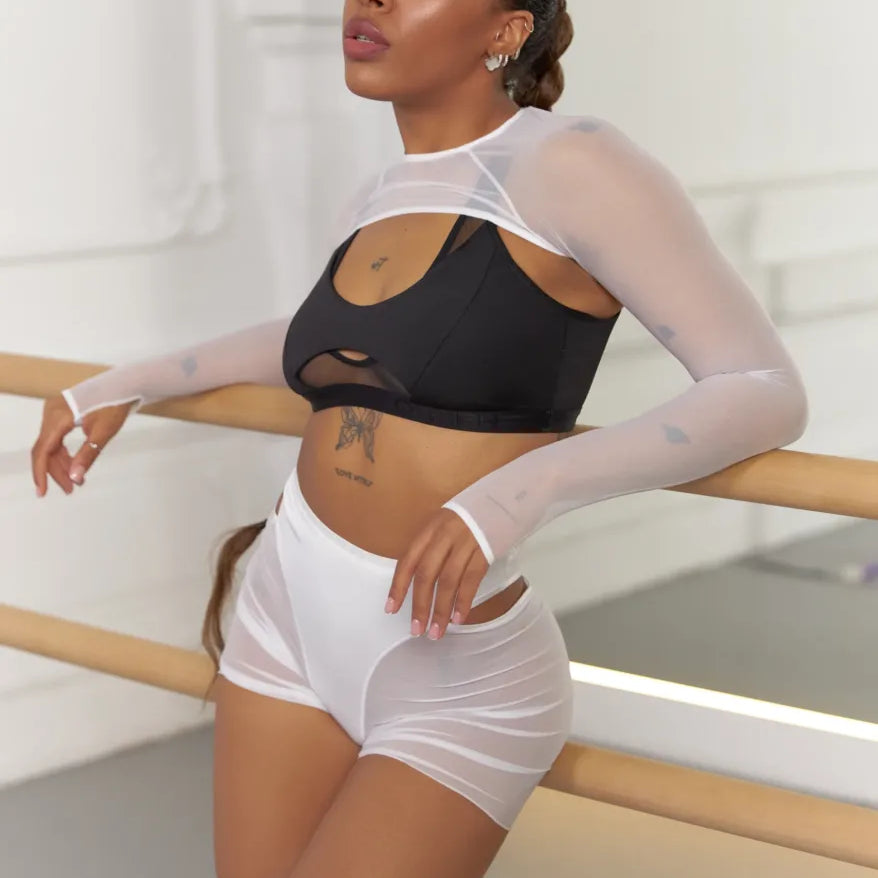
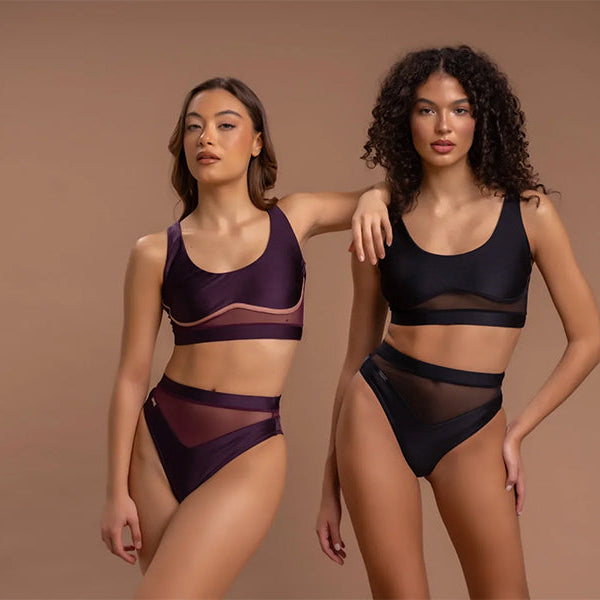
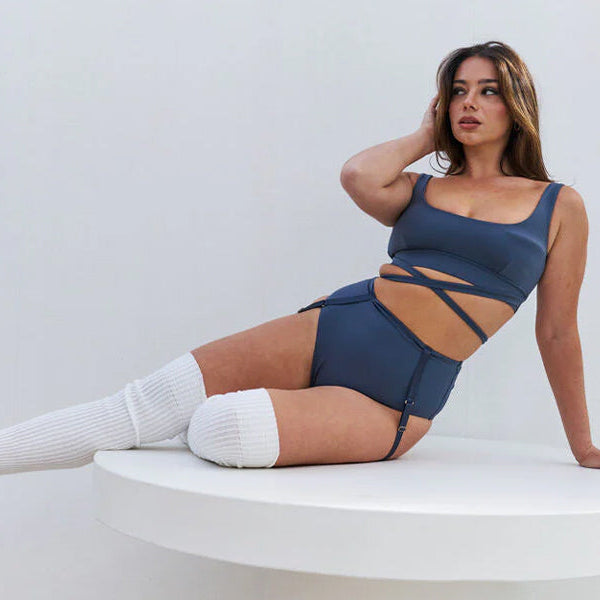
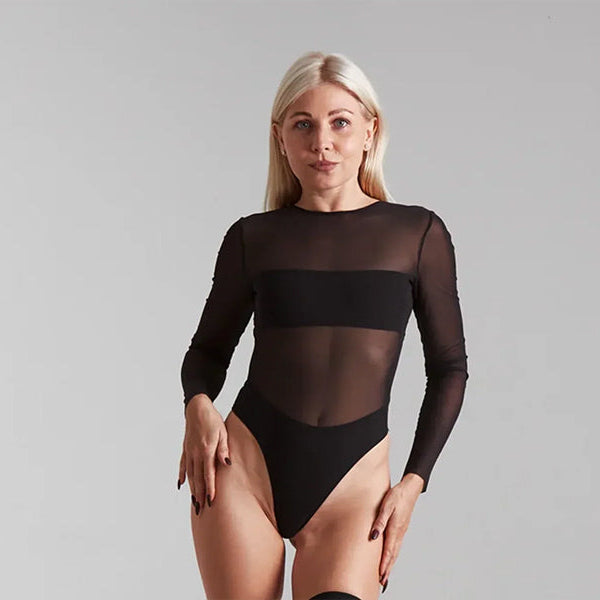
Off-pole conditioning has different clothing needs than on-pole training you don't need the grip-zone skin exposure that pole requires, but you still want freedom of movement and quality athletic wear that performs.
For floor-based conditioning work: fitted leggings or compression shorts with a crop top or fitted tank work well. For pull-up work where you might incidentally contact the bar, quality athletic wear with good stretch and recovery from the same brands you trust for pole training performs better than cheap fast fashion activewear.
Explore our full collection at The Pole Edit — Lunalae, Harna, and Nona Perkasa all make pieces that transition naturally between on-pole and off-pole training. All shipped from the US, no tariffs, easy returns.
The Payoff
The dancers who progress fastest in pole the ones who seem to jump from beginner to intermediate in what feels like no time are almost always the ones who are doing serious off-pole work alongside their studio time. The pull-ups, the shoulder prep, the hip mobility sessions, the core conditioning.
Pole on the pole. Build the foundation off of it.
Your pole training will tell you exactly what your off-pole work needs to address. Listen to it.

