


One of the most persistent myths in the pole dance world and in fitness generally is that starting after 40 means starting too late.
It doesn't.
The pole community has been quietly disproving this for years. There are competitive pole dancers in their 50s. There are women who started in their 60s and are now performing in showcases. There are men and women in their mid-40s who found pole dancing after decades of desk jobs and discovered strength and mobility they didn't know they still had.
This guide is written specifically for anyone over 40 who's thinking about pole dancing or who has already started and wants honest information about how training adapts with age. We're covering what's different, what's actually easier, what requires more patience, and how to set yourself up for a long, rewarding pole practice.
The Case for Starting Pole Dancing Later in Life
Before the practical details, let's make the case clearly because it deserves to be made.
Your body is not what you think it is at 40+. The fitness narrative around aging is relentlessly focused on decline. What it misses is that the human body remains extraordinarily trainable well into middle age and beyond. Muscle tissue still responds to resistance training. Flexibility still improves with dedicated work. Cardiovascular fitness still adapts. The timeline is different, the approach needs adjusting but the capacity is real.
You bring things younger dancers don't have. Patience with the learning process. Comfort with being a beginner (most people over 40 have experienced enough life to not be devastated by being new at something). Body awareness from years of living in your body. The ability to focus on the quality of your movement rather than just the next trick. These are genuine advantages on the pole.
The pole community is one of the most age-inclusive in fitness. You will not walk into a pole studio and feel like the odd one out for being in your 40s. Studios actively celebrate students of all ages, and the community's attitude toward older pole dancers is uniformly supportive.
What's Different About Pole Training Over 40
Honesty serves you better than motivation alone here. There are real differences in how training works and feels after 40 and knowing them in advance helps you train smarter rather than just harder.
Recovery Takes Longer
This is the most significant practical difference. After an intense pole session at 25, you might feel normal the next day. After a similar session at 45, your body may need 48–72 hours to fully recover and pushing into the next session before you've recovered doesn't accelerate progress, it delays it.
What this means practically: Training frequency may need to be more conservative, especially at the beginning. Two quality training sessions per week with full recovery between them will produce better results for a 45-year-old than three or four sessions pushed through fatigue. Listen to your body's recovery signals more deliberately than younger students might need to.
Joint Warmup Is Non-Negotiable
Cold joints and connective tissue are more injury-prone at 40+ than at 20. The warmup that a younger student might get away with skipping is genuinely not optional for you.
A good warmup for a 40+ pole dancer: 10–15 minutes of progressive joint mobility (wrists, shoulders, hips, knees, ankles), light cardio to raise core body temperature, and gentle dynamic stretching before any loaded movement. This isn't wasted time it's the investment that keeps you training without injury.
Flexibility Development Is Slower But Still Very Real
Connective tissue becomes less elastic with age, which means flexibility gains take longer to accumulate. A 25-year-old might develop hip flexibility for a proper split in six months of dedicated work. A 45-year-old working toward the same goal might need twelve to eighteen months.
This is not a reason to avoid flexibility training, it's a reason to start it immediately and be patient with the timeline. The flexibility is achievable. It just requires consistency over a longer period.
Grip Skin May Build More Slowly
The calluses that develop from gripping the pole take time to form, and skin regeneration slows slightly with age. Pole bruises may be more visible and slower to fade. These are cosmetic and temporary. Your skin does adapt, it just may take a few extra weeks.
What Doesn't Change
Upper body strength responds to training at any age consistently and meaningfully. Core strength develops. Movement quality improves. Coordination and body awareness sharpen. The fundamental adaptation that makes pole dancing work as fitness doesn't have an age ceiling.

Training Smart: How to Structure Pole Fitness Over 40
Priority 1: Consistency Over Intensity
The biggest mistake older beginners make is trying to train with the same intensity as the 25-year-olds in their class from day one. This is the path to injury and discouragement.
Two to three moderate sessions per week, consistently, for six months will produce more progress than aggressive training followed by forced rest from strain or soreness. Consistency wins over intensity at every age, and this truth amplifies with age.
Priority 2: Supplement With Mobility Work
Off-pole mobility training targeted hip flexor stretching, shoulder opening, thoracic spine work is more important for dancers over 40 than for younger athletes. Even 15–20 minutes of focused mobility work three times per week between pole sessions accelerates your progress significantly and keeps you injury-free.
Priority 3: Communicate With Your Instructor
A good pole instructor can modify progressions for you based on your body's specific needs and any pre-existing considerations. Don't hide that you're 45, use it as information your instructor can work with.
Priority 4: Strength Conditioning as Support
Building the specific supporting strength that pole demands shoulder stability, rotator cuff strength, grip endurance is worth doing off-pole, especially for older beginners. Resistance bands for shoulder work, dead hangs for grip and shoulder stability, core work on the floor these make your pole training safer and more productive.
What Pole Dancers Over 40 Consistently Report
The pole community has enough older dancers now that we can speak to what the experience actually looks like over time:
The transformation happens, it just looks different. Not faster or slower necessarily, but the quality of movement development often has a deliberateness that younger dancers don't always achieve. Older pole dancers frequently develop cleaner technique because they're more willing to drill the fundamentals rather than rushing to the next trick.
The community aspect hits differently. Many dancers who start pole later in life describe the studio community as one of the most meaningful social environments they've found. The absence of the intense social comparison that can characterize fitness spaces for younger people makes it genuinely joyful.
It changes how you feel in your body. This comes up constantly in accounts from 40+ pole dancers. Not just the fitness, the relationship with their body, their sense of what their body is capable of, and their comfort in their own skin all shift in ways they didn't fully anticipate.
What to Wear: Polewear for Every Body at Every Age
The clothing conversation is the same for older pole dancers as for anyone skin contact for grip, fitted for function, quality for longevity. But a few notes that are specifically relevant:
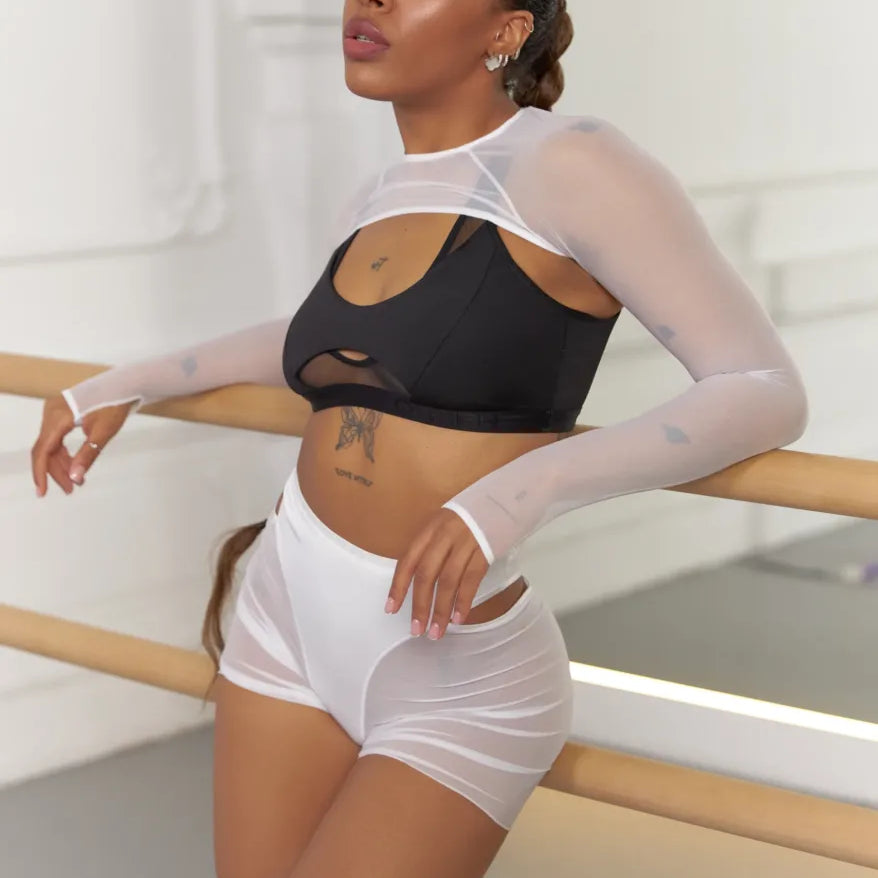
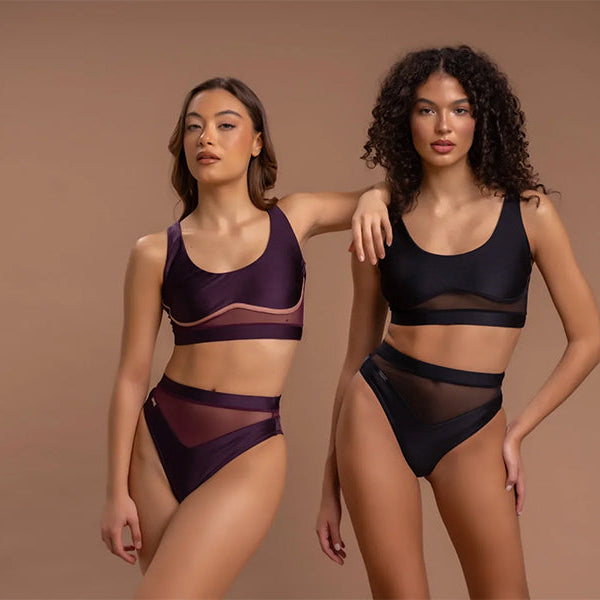
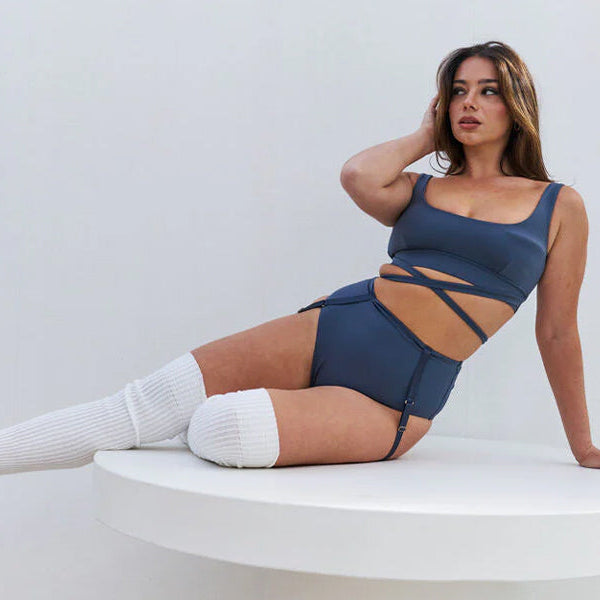
High-waisted pole shorts are particularly popular with 40+ dancers they provide more midsection coverage and the sense of security during inversions that many dancers prefer regardless of age. Browse our Bottoms collection for high-waisted styles from Lunalae and Rolling Brand that the 40+ community consistently reaches for.
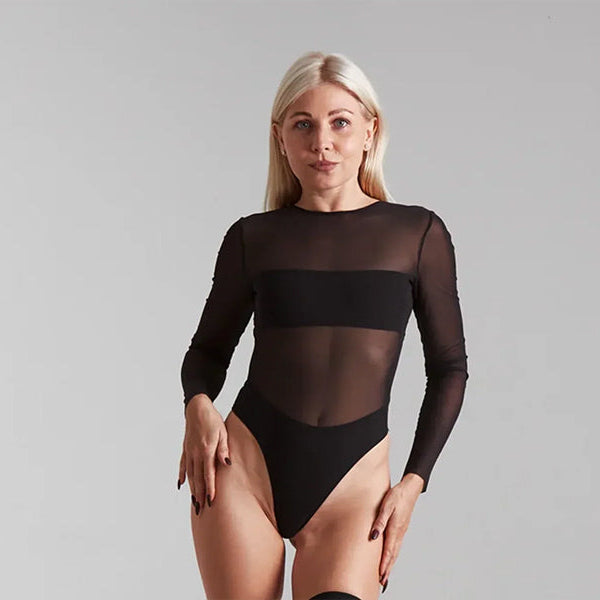
Investing in quality matters more, not less. At 40+, you're not buying polewear that you'll grow out of in a year, you're building a long-term training wardrobe. Pieces from quality brands that last three to five years are better value than cheaper pieces that need replacing every few months. The Botanica Reversible Vento Bottoms and Bodysuit Temptation in Black Matte are both pieces built to go the distance.
Comfortable support matters for tops. A well-structured sports bra style top that provides genuine support without underwire (which can bruise during pole contact) is worth the investment. The Botanica Alpha Balconette Bra hits this mark beautifully.
Everything at The Pole Edit ships from within the United States no tariffs, fast delivery, easy returns if the fit isn't right. Founded by a pole dancer who knows that the right clothing is part of setting yourself up for success. Browse the full collection at thepoleedit.com.
The Bottom Line
Starting pole dancing at 40, 45, 50, or beyond is not a compromise. It's not "better late than never." It's just starting with different tools, a different timeline, and genuinely different advantages than a 25-year-old has.
The pole is available to you. The community is waiting. The transformation is real.
The only thing that makes you too old to start is deciding you are

