


Every pole dancer has a track they can't train without. The one that makes them move differently more intentionally, more expressively, more themselves than anything else in their playlist. The song that turns a drill session into a performance and a performance into something genuinely moving.
Music in pole dancing is not background noise. It's a training variable, a style-shaping force, and in performance contexts, the narrative container that everything else lives inside. The pole community talks constantly about technique, strength, clothing, and style but music is the invisible variable that shapes all of them.
This guide covers what the community has learned about training music, how different musical choices develop different skills and styles, how to build playlists that serve specific training goals, and because the two are more connected than most people discuss - how your musical energy shapes what you wear.
Why Music Isn't Just Background in Pole Dancing
In most forms of exercise, music is motivational wallpaper. It affects your energy and pace but doesn't change the fundamental movement you're executing. Pole dancing is different.
Music shapes the movement itself. When you train to a slow, atmospheric track, your transitions become slower and more deliberate. When you train to a fast, rhythmic hip-hop track, your spins are tighter, your transitions sharper. This isn't just psychological - your nervous system literally paces movement to rhythmic input, a phenomenon called entrainment. The tempo and rhythm of your music changes the biomechanics of how you move.
Music determines style more than technique. The same move - a simple spin, a floor wave, an invert transition looks completely different performed to a slow, cinematic ballad versus a hard-hitting bass track. Music is how pole dancing becomes a style rather than a collection of techniques.
Musical interpretation is a competition-judged skill. In every artistic and exotic pole category, judges explicitly score how well a dancer interprets their music. This isn't vague - they're assessing whether the movement choices, timing, and expression reflect a genuine response to the music's texture and arc. Training to music with intention, rather than just using it as background, directly develops this skill.
Music by Pole Style: What Each Community Reaches For
Different pole dance styles have strong musical associations, and understanding these helps you choose training music that serves your style development.
Exotic Pole Music
Exotic pole is where musical choice is most deliberate and most stylistically defining. The sub-styles have distinct sonic signatures:
Exotic Classique / Old School: Rich, emotional, often feminine - think deep soul, dramatic pop ballads, slow R&B, or cinematic orchestral pieces. The music should feel weighted with emotion. Common choices: Beyoncé's more dramatic catalog, Amy Winehouse, Lana Del Rey, classic soul ballads. The movement quality this music demands - slow, emotionally committed, sexually charged without being aggressive - is central to the classique style.
Exotic Hard / Exotic Flow Hard: The energy flips entirely dubstep, trap, aggressive electronic, hard-hitting hip-hop. The music is fast, dynamic, and often percussive in a way that allows for powerful trick punctuations. Training to this music develops quicker reflexes, sharper transitions, and the specific explosive quality that defines exotic hard.
Exotic Flow (slower/softer): Ambient, experimental, or atmospheric music slower tempo, textural rather than rhythmically driving. Teaches the dancer to find the movement within the music's texture rather than following a beat, developing genuine musical sensitivity.
Pole Sport and Athletic Pole
Pole sport music tends toward dramatic orchestral pieces, cinematic scores, or tracks with strong structural arc - a build, a climax, a resolution that supports the choreographic structure of a competition routine. The music in pole sport carries the emotional narrative of the performance while the technique carries the technical score.
Common sport pole music directions: Hans Zimmer and film composers for the dramatic builds; electronic artists like Zedd or Lindsey Stirling for more contemporary athletic routines; classical pieces reimagined with contemporary production.
Artistic and Contemporary Pole
The freest musical category - truly anything goes, and unusual musical choices are celebrated. Experimental electronic, ambient, contemporary classical, international music, unconventional pop, silence with just rhythm. The artistic category rewards musical courage - choosing something unexpected and making it work earns notice.
Heels Flow
Bass-heavy, hip-hop-influenced tracks dominate heels flow training. The specific rhythmic character of trap and hip-hop production - the syncopated hi-hats, the deep bass lines, the vocal ad-libs aligns naturally with the hip-heavy, grounded movement vocabulary of heels flow.

How to Build Training Playlists That Serve a Purpose
Random playlist shuffle is fine for general training days. Intentional playlist building serves specific development goals.
The Exploration Playlist
A playlist specifically for trying new musical territory - genres you don't normally train to, tempos outside your comfort zone, vocal styles you haven't worked with. This is the playlist that expands what you can do because it expands what you respond to.
How to use it: Pick one track you've never trained to. Put it on and just move don't try to execute anything specific. Let the music suggest what happens. This is creative research, not technique training.
The Drill Playlist
High-energy, consistent tempo tracks for technique drilling. You're not interpreting this music - you're using its rhythmic drive to power through repetitions of a move or combination. Tracks with a clear, driving beat at a tempo that matches your move's rhythm.
How to use it: Practice a specific move the same move, many times to tracks with very similar tempos. Your nervous system will start to anticipate the timing and your execution will become more consistent.
The Performance Playlist
The short list of tracks you're considering for a performance or showcase, which you drill your choreography to exclusively for weeks before the performance. This playlist should contain your performance track plus 2–3 other tracks with similar energy and tempo so you're not burning out on your one track.
How to use it: Run the full routine, not just the pole parts. Treat every practice to this playlist as a performance. The familiarity with the music's arc becomes an asset that prevents panic about what's coming next during the real performance.
Musical Energy and What to Wear: The Surprising Connection
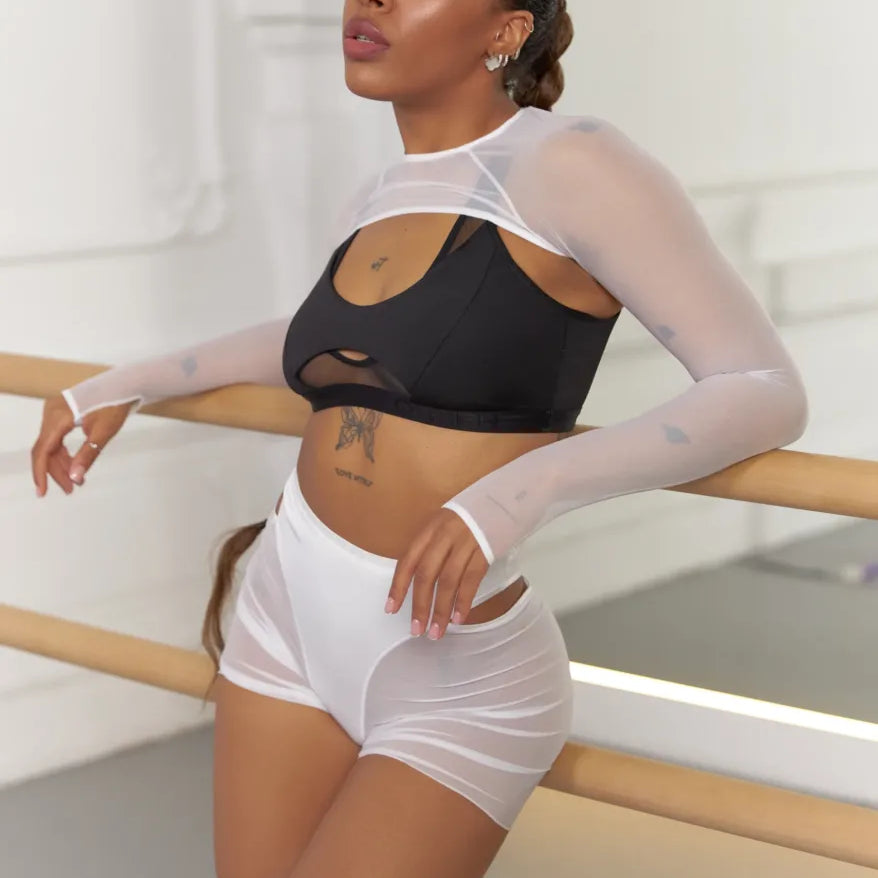
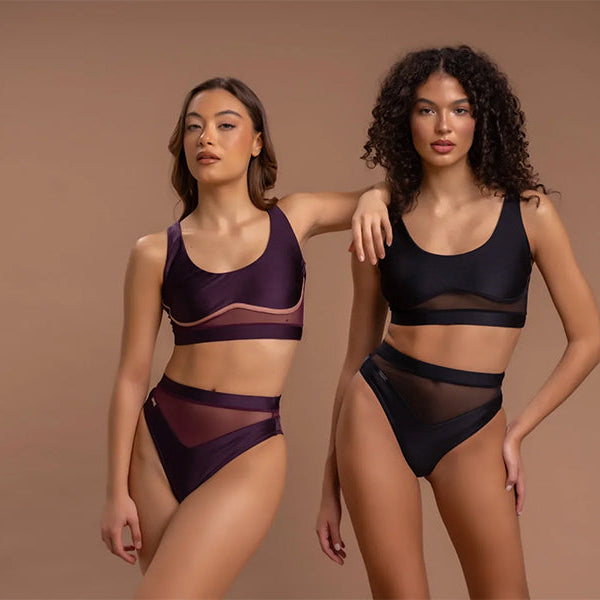
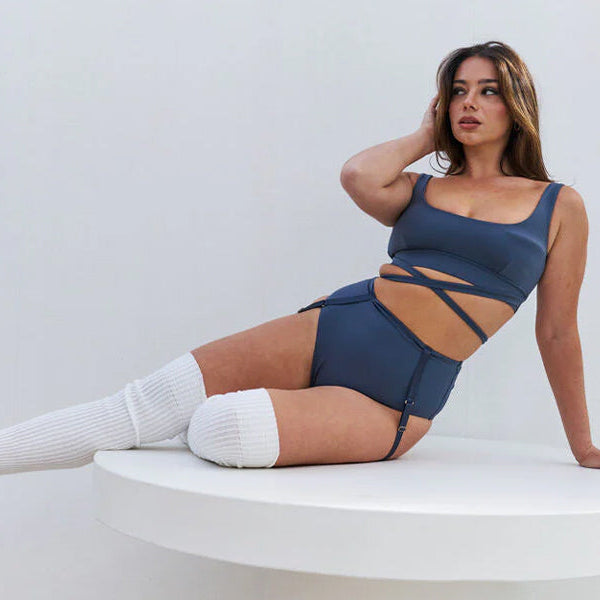
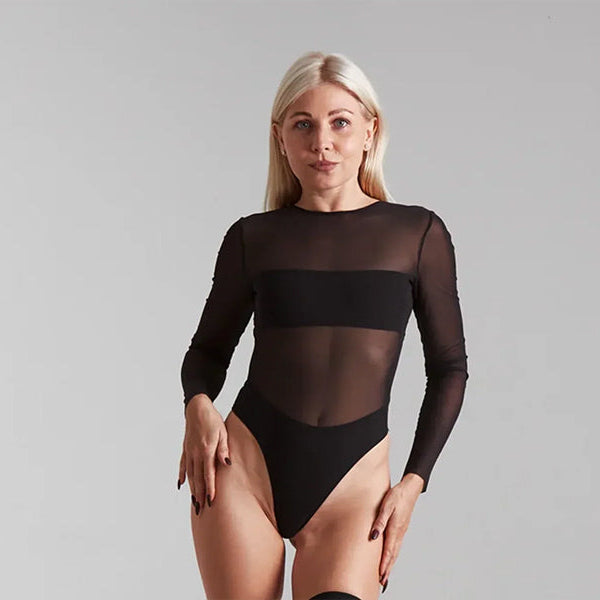
Here's the connection that the pole community intuits but rarely articulates: the music you train to and the polewear you wear should be in conversation with each other. The best pole content and performances feel cohesive - the music, the movement, and the costume feel like they come from the same creative direction.
Slow, emotional, romantic music: Calls for rich fabrics, sensual cuts, warm colors. Velvet, matte jersey, deep jewel tones or neutrals. The Bodysuit Temptation in Black Matte ($78) and velvet sets fit this energy exactly.
Hard, bass-heavy, aggressive tracks: Bold colors, sequins, high-cut dramatic shapes. Pieces that have visual impact from a distance. The Blue Sequin Scorpio Bodysuit ($94) or the full Blue Sequin Vento set the sequins move with the music.
Ambient, atmospheric, experimental: Minimalist, architectural pieces. Clean lines, interesting textures, nothing too decorative. Harna's clean aesthetic matches the considered, spare quality of atmospheric music.
Vibrant, joyful, high-energy pop: Bright prints, bold colors, matching sets with personality. Paradise Chick and Lunalae's print collections are made for training sessions and performances where the energy is celebratory.
Browse polewear that matches your musical energy at thepoleedit.com/collections/all - US-based, founded by a pole dancer, ships fast with no tariffs and easy returns. Because how you move and what you wear should always feel like the same song.

