

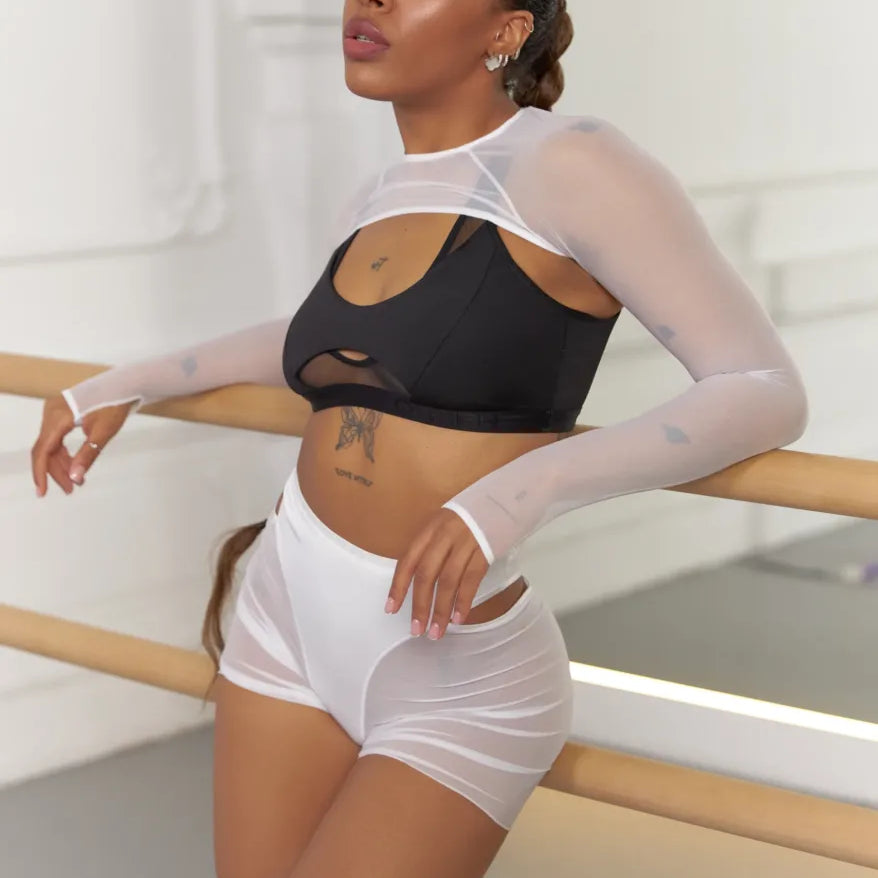
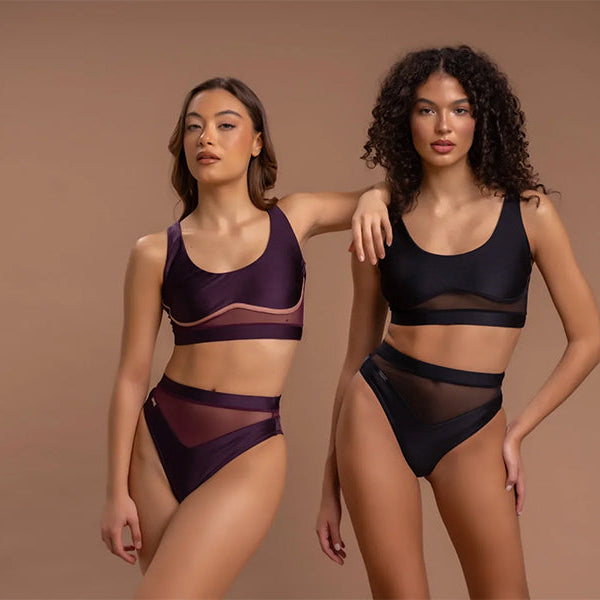
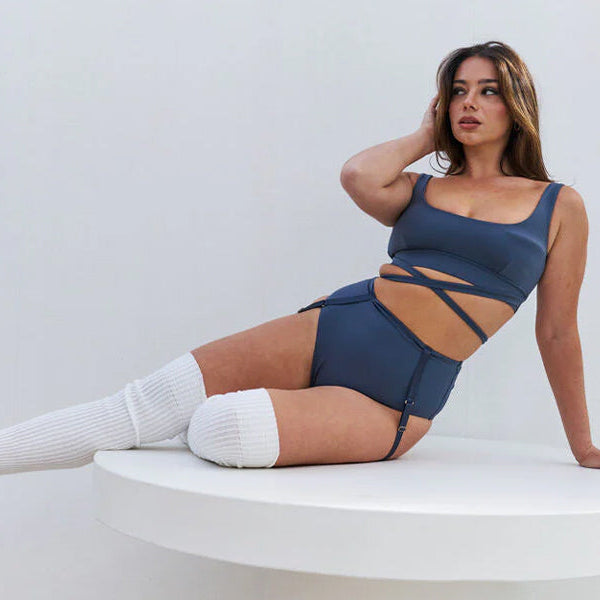
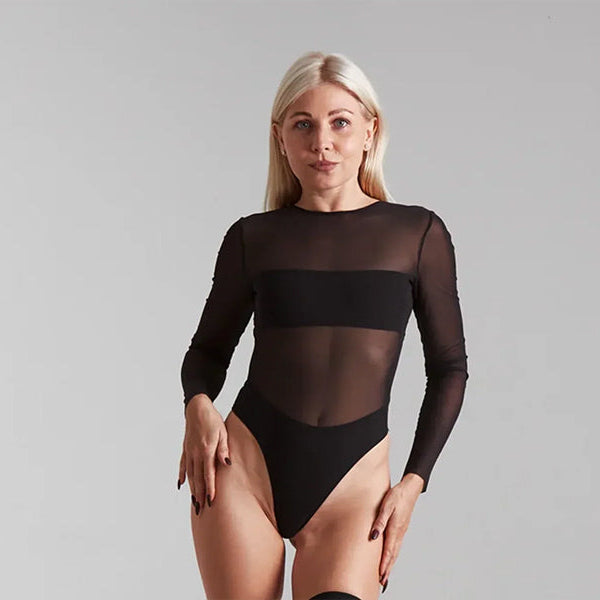

Once you've sorted your polewear, your shorts, your tops, maybe a bodysuit - you quickly discover that the pole dancer's equipment list doesn't stop there.
There's a whole ecosystem of accessories that serious pole dancers use, most of which never get discussed in the mainstream "what to wear to pole class" guides. Grip aids that change what moves are possible. Knee pads that make floor work sustainable. Pole heels that open an entirely different movement vocabulary. Skin care that's specific to the demands of regular pole contact.
This guide covers all of it - what each category of pole dance accessory actually does, what to look for in each one, and when in your pole journey each becomes relevant.
Grip Aids: The Most Important Accessory You're Not Using Yet
Grip aids are products applied to the skin (or occasionally the pole) to enhance friction. The pole community has developed strong opinions about which ones work best for which situations and for good reason, because the difference between good grip and poor grip can be the difference between landing a move and sliding off the pole.
Dry Hands Products
The most widely used grip aid category. Dry hands products work by absorbing moisture from your skin, creating a drier, higher-friction surface. They're typically applied to the palms and sometimes the inner wrists before training.
iTac2 is probably the most well-known name in this category - a slightly tacky, waxy grip product that works particularly well for sweaty hands or humid training environments. It adds a layer of surface grip that makes holds more secure.
Dry Hands liquid is a liquid formula that dries quickly and leaves a dry, slightly sticky residue. Popular for its quick application and effectiveness in high-humidity conditions.
When you need it: Beginner hands sweat during training because of nerves and exertion. If you find your hands slipping on the pole within the first few minutes of training, a grip aid is the immediate solution. Many dancers never train without one.
Chalk
The same chalk used in rock climbing and gymnastics magnesium carbonate - works in pole dancing to create a drier grip surface and slightly increase friction. Chalk is particularly popular among pole sport athletes training in more athletic, less aesthetic contexts (it can leave residue on poles and clothing).
Block chalk vs. liquid chalk: Block chalk is the traditional format; liquid chalk is chalk suspended in alcohol that dries to leave chalk on your skin without the dust. Liquid chalk is increasingly popular in studio settings because it's less messy.
One important note: Some studios have no-chalk policies to protect their poles. Always check before bringing chalk to class.
Pole Grip Sprays
Applied to the pole surface rather than the skin, pole grip sprays add a tacky or grippy layer to the pole itself. These work differently from skin-applied grip aids and are more common for specific pole surfaces (particularly stainless steel, which is naturally slipperier).
When to NOT Use Grip Aids
This is equally important: some situations call for less grip, not more. Certain transition moves and descents actually require sliding, and heavy grip aids can make these feel sticky and uncontrolled. Advanced dancers develop a feel for when to use grip, what type, and how much. Beginners typically benefit from using any good grip aid until they develop stronger hands and can assess their grip situation more precisely.

Knee Pads: Essential for Floor Work
If you train any style of pole that involves floor work — exotic, contemporary, flow, heels - knee pads will be one of the best investments you make.
The floor work in these styles involves slides, kneeling, spinning on the floor, and transitions that put repeated direct pressure on the knee. Without knee pads, the skin over the kneecap (the patella) develops calluses and bruising that makes training uncomfortable and can limit how freely you move through floor sections.
Types of Pole Dance Knee Pads
Hard-cap knee pads: Provide the most sliding ability on smooth studio floors. The hard cap slides with very low friction, making floor slides feel effortless. Most common in exotic and heels-focused styles where long floor slides are part of the aesthetic.
Soft/padded knee pads: More protection-focused, less slide-focused. Better for floor work that involves kneeling, crawling, and dynamic floor transitions where the goal isn't maximum slide but rather cushioning and skin protection.
Grip knee pads: Designed for control rather than slide - textured surfaces that grip the floor for specific kneeling or grounded positions. Less common in pole specifically but used in some aerial and contemporary dance crossovers.
What to look for: A secure fit that doesn't slip down during movement (elastic backing, adjustable straps), durable material for repeated floor contact, and the slide vs. grip vs. protection balance that matches your training style.
The Divinity Polewear line of grip thigh-highs with integrated knee protection is a newer category that's gained significant traction in the community - combining leg grip for pole holds with knee protection for floor work in a single garment.
Pole Heels: Opening a New Movement Vocabulary
Pole heels - the platform shoes used in exotic pole, heels flow, and some performance categories - are not just aesthetic accessories. They fundamentally change how movement feels and what's possible.
Why Pole Heels Are Different From Regular Heels
Regular high heels are designed for walking and standing. Pole heels are designed for dancing, spinning, floor work, and the specific demands of pole performance. The differences:
Platform construction: Most pole heels feature a thick platform at the toe (often 1.5–2.5 inches) that reduces the actual incline of the foot despite very high heels. A 7-inch pole heel with a 3-inch platform puts your foot at a 4-inch effective incline - dramatic-looking but more manageable than it appears.
Ankle straps: Quality pole heels have secure ankle straps that keep the shoe on during inversions, spins, and dynamic floor movements. Regular heels don't have to survive being upside down.
Sole construction: The sole must handle floor slides, pole contact (yes, heels contact the pole in some moves), and sustained dance performance without deteriorating quickly.
Pleaser USA is the dominant brand in pole heels — their styles are worn at virtually every pole competition worldwide and have become iconic. Hella Heels is the other major name, slightly newer, with a strong competition following.
When to Start Training in Heels
Most instructors recommend against heels until you've developed solid balance and body awareness in bare feet - typically 2-6 months into training depending on the individual. The reason: heels significantly change your center of gravity and the way floor transitions feel. Learning fundamental body awareness in bare feet first gives you a stable foundation.
When you're ready, start in a lower heel - a 5" or 6" option - before moving to the 7" or 8" heights common in competition and performance.
Sizing Pole Heels
Pleaser heels typically run small - many dancers size up by .5 to 1 size. This varies by style and width. When in doubt, check brand-specific sizing guides and community sizing threads where real dancers share their experience with specific models.
Pole-Specific Skin Care
Regular pole training puts unusual demands on your skin and the skin care category has developed to address them.
Grip Calluses: Building and Maintaining
The calluses that develop on your palms from gripping the pole are not a problem - they're an asset. They increase your natural grip and replace some of the reliance on grip aids. The process of building them involves the normal initial soreness of skin that isn't conditioned to this kind of friction.
To maintain calluses without over-building: Light moisturizer on your hands on rest days (not before training) keeps the skin from cracking without smoothing the callus down entirely.
Pole Bruises ("Pole Kisses")
Every pole dancer gets them. The bruises that form on the inner thigh, back of the knee, and any other skin contact area are simply the result of the blood vessels under the skin responding to friction and pressure.
To reduce bruising: Consistent training is the most effective approach - your skin and the underlying tissue condition to pole contact over time and bruise less. Ice applied immediately after training can reduce the visibility of bruises.
Skin Care for Grip
Keep your training skin clean and dry before training moisturizers, oils, and many sunscreens all reduce grip. Shower before a training session if you've applied body products, or at minimum clean the grip areas with a gentle wipe.
Building Your Full Pole Kit
A complete pole training kit at intermediate level:
Essential clothing: Quality pole shorts + fitted top. Browse our Bottoms and Tops collections.
Essential accessories: Grip aid (dry hands product or iTac2), chalk (if your studio allows), a small towel for the pole.
Intermediate additions: Knee pads for floor work, a second pair of shorts with a different cut, a matching set for showcases.
Advanced additions: Pole heels, performance bodysuit, grip-panel training shorts for specific move work.
Everything builds progressively. Start with great clothing, add accessories as they become relevant, and grow your kit as your training demands evolve.
Shop your pole dance wardrobe essentials at The Pole Edit US-based, founded by a pole dancer, with domestic shipping that means no tariff surprises and easy returns on everything. Browse Bodysuits, Tops, Bottoms, and brand collections from Lunalae, Rolling Brand, and more.
Your full kit is closer than you think.

