


Before you can train on a pole, you need to understand the pole. And if you're new to the world of pole dancing, the dance pole itself, the equipment you're working with, has more to it than it first appears.
A dance pole isn't just a metal bar. The type of pole, its diameter, the surface finish, how it mounts, and whether it spins or stays static all have meaningful effects on how you train, which moves are possible, and what your experience actually feels like. Getting this wrong especially if you're setting up a home pole is an expensive mistake.
This is the complete, no-fluff guide to the pole dancing pole: what types exist, how to choose the right one, what to know about home setup vs. studio setup, safety considerations, and how the pole you train on connects to the polewear and grip decisions you make.
What Is a Dance Pole?
A dance pole is a vertical, static or rotating metal pole used in pole dancing, fitness pole training, and aerial performance arts. The modern dance pole is engineered for human bodyweight loading meaning it's built to support someone climbing, hanging, and performing dynamic movements on it safely.
The concept has ancient roots: the Indian sport of mallakhamb has used vertical wooden poles for strength and acrobatic training for over 800 years. The modern pole dancing pole as we know it evolved through entertainment contexts in the 20th century before exploding as a mainstream fitness discipline from the 2000s onward.
Today, a quality exercise pole is a precision piece of fitness equipment and understanding what separates a good one from a bad one matters whether you're attending a studio or setting up at home.
The Two Main Types: Static vs. Spinning
This is the most fundamental distinction in dance poles, and it affects everything about how you train.
Static Pole (Non-Spinning)
A static pole does not rotate. It's fixed in place. When you spin on a static pole, the rotation comes entirely from your body's momentum - you create the spin, you control the spin, and you stop the spin by adjusting your body position.
Who static poles are for:
-
Beginners learning the basics of spinning and grip
-
Training environments where technique and body position are the primary focus
-
Pole sport training, where static pole is a specific competition category
-
All climbing work (you cannot effectively climb a spinning pole)
The learning advantage of static: Because the spin comes from you, you develop body awareness and momentum control that makes you a fundamentally better mover. Static pole teaches you what your body is actually doing rather than letting the pole's momentum carry you.
Spinning Pole (Rotating)
A spinning pole has a free-rotating mechanism - the outer sleeve of the pole spins on a bearing system while the inner core is fixed to the ceiling and floor. This means once you apply momentum, the pole (and you) will continue rotating without your body having to maintain the spin.
Who spinning poles are for:
-
Intermediate to advanced dancers exploring the specific aesthetic and feel of spinning pole
-
Pole sport (spinning pole is a separate category from static in competition)
-
Flow-based and artistic styles where continuous rotation creates visual effects
-
Any move where sustained spinning is needed for the choreography
The difference you'll feel: On a spinning pole, everything looks more dramatic because the rotation is continuous and smooth. Moves that require only a brief push on static pole will carry through long, flowing rotations on spinning. The sensation is genuinely different - many dancers describe it as more exhilarating, others find it disorienting at first.
Most quality studio poles and home poles are dual-mode; they can be set to either static or spinning mode by adjusting a tension mechanism. This is the most practical setup for anyone who wants the full training toolkit.
Dance Pole Surface Finishes: Why It Matters for Grip
The outer surface finish of a dance pole determines how your skin interacts with it and this has direct implications for what polewear works, whether you need grip aids, and which moves feel natural vs. difficult.
Chrome (Stainless Steel Plated)
The most common dance pole finish. Chrome provides moderate skin to pole grip, enough for most training and beginner-to-intermediate work. It's also the most widely available finish in studios, which means training on chrome at home directly translates to studio training.
Best for: Most pole dancers, beginners and intermediate levels, studio-matching home training.
Stainless Steel (Brushed or Polished)
Slightly more slippery than chrome, particularly when your skin or the pole is warm. Stainless poles are favored in certain professional and competition contexts because they're more hygienic (easier to clean thoroughly), highly durable, and consistent. Some advanced dancers prefer stainless because it demands better technique - there's no surface grip compensating for positioning errors.
Best for: Advanced dancers, competition training, hygienic commercial environments.
Brass Pole
The grip champion of pole surfaces. Brass provides significantly more friction than chrome or stainless, which means moves that feel difficult on chrome feel more accessible on brass. Many dancers who struggle with specific grip-dependent moves find that brass poles unlock them quickly.
The tradeoff: Brass requires more maintenance - it tarnishes and must be polished regularly to maintain its appearance and grip quality. Some dancers also find that brass poles can leave a slight metallic tint on lighter polewear.
Best for: Dancers learning grip-intensive moves, anyone who runs warm (skin sweating reduces grip on other surfaces), experienced dancers who prefer the extra security.
Silicone-Coated Pole
A soft, rubbery surface that provides very high grip - essentially the equivalent of a grippy leggings approach but on the pole side of the equation. These are common in beginner-facing studio setups and in children's pole programs. The tradeoff is that silicone surfaces can feel "sticky" in a way that interferes with the smooth transitions and spinning that advanced dancing requires.
Best for: Absolute beginners, children's classes, therapeutic pole programs.

Home Dance Pole Setup: What You Need to Know
The home pole market has grown substantially alongside pole dancing's mainstream fitness growth, and there are now quality options at multiple price points. Here's what to know before buying.
Freestanding vs. Ceiling-Mounted
Ceiling-mounted poles anchor to the ceiling and floor using a tension system or permanent hardware. These are more stable, allow dynamic use including drops and more aggressive training, and are generally preferred by serious home trainers. The tension-mounted versions (no drilling) are widely popular but require careful installation and regular tension checks the tension must be maintained for safety.
Freestanding poles stand independently using a weighted base and don't require ceiling mounting. They're more portable and require no installation, which makes them practical for renters or people who want to move the pole between rooms. The tradeoff is reduced stability - freestanding poles can shift or tip during aggressive moves in ways that ceiling-mounted poles don't.
Ceiling Height
Most dance poles are designed for ceiling heights between 7.5 and 9 feet. If your ceiling is outside this range, you'll need to find a pole specifically rated for your height. Measure your floor-to-ceiling distance carefully and match it to the pole's specifications - a pole that's too short or too long for your space cannot be safely installed.
Diameter
The standard pole dance pole diameter is 45mm, which is what most studios use and what virtually all training resources assume. Some poles come in 40mm or 50mm diameters 40mm is sometimes preferred by dancers with smaller hands, 50mm is used in some specialty training contexts. If you're training at a studio, match your home pole diameter to the studio standard so transitions between environments feel consistent.
How Your Dance Pole Choice Affects What You Wear
The pole you train on connects directly to your polewear decisions, particularly around grip.
Chrome poles: Standard polewear shorts and tops work well. Some dancers add grip aids (dry hands, chalk) for particularly grip-intensive moves.
Brass poles: Slightly less need for grip aids for most moves. The surface does more of the work. Be aware that brass can leave very faint discoloration on lighter polewear - a minor consideration but worth knowing.
Stainless poles: May benefit from grip-enhancing clothing choices - shorts with a higher leg cut for maximum skin contact, or grip-panel styles for specific moves.
Spinning poles: The dynamics of clothing matter more on a spinning pole. Anything loose can fly and interfere with spin control. Fitted polewear is even more important.
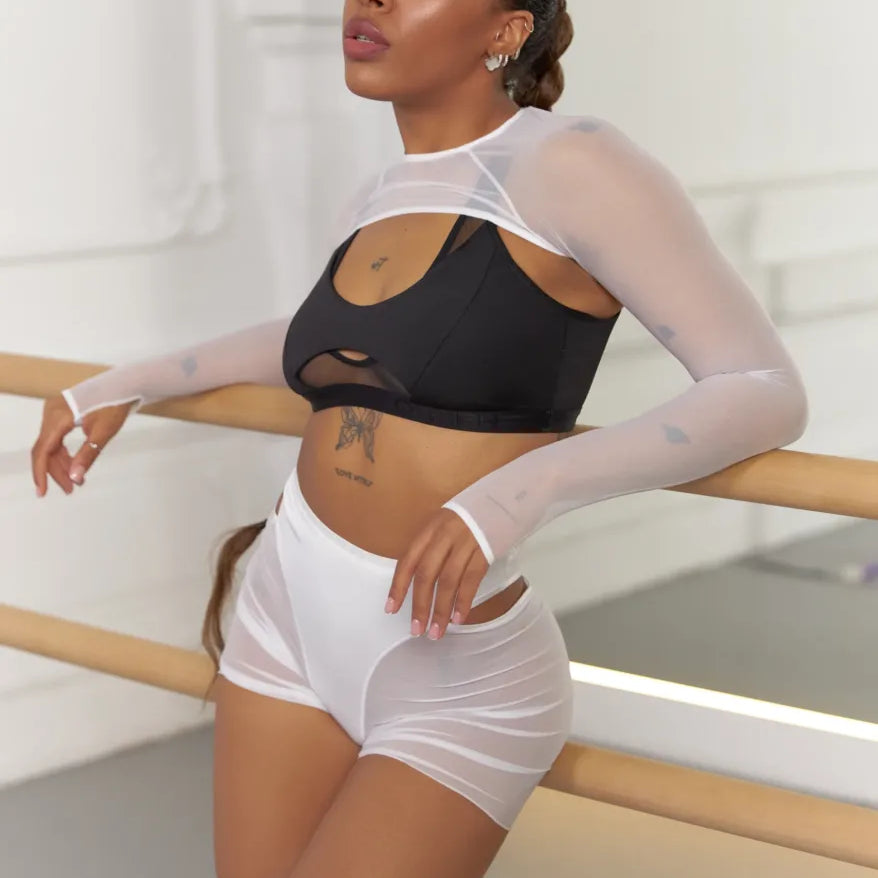
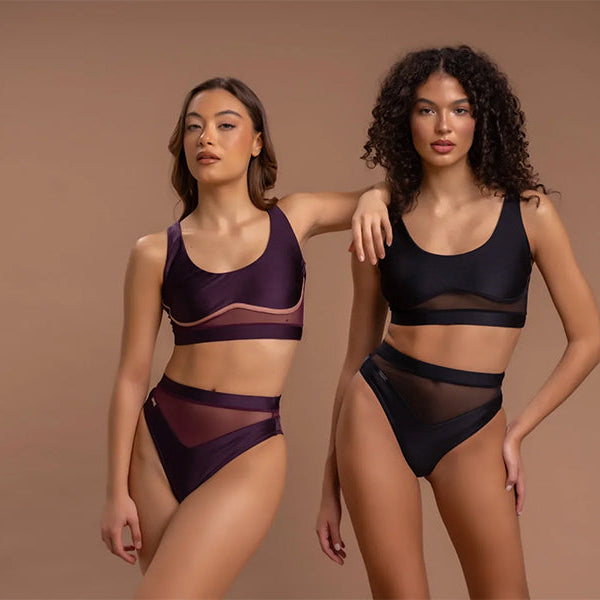
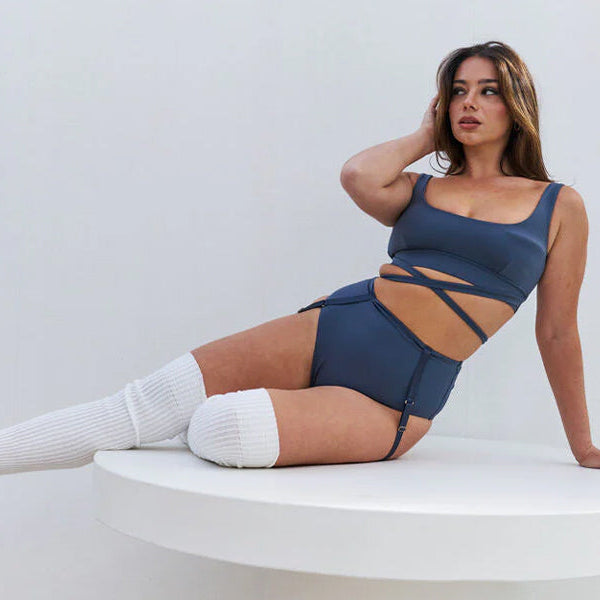
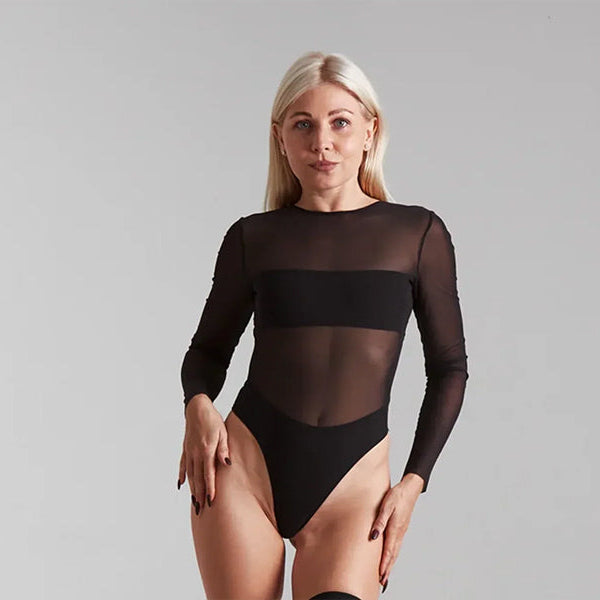
For all pole surfaces, the fundamental polewear principle holds: skin contact is your grip. Quality pole dance clothing that's cut to expose the right areas makes training on any surface more effective.
Browse our Bottoms collection for shorts designed specifically for the demands of pole training, or explore our full polewear collection for complete training outfits. Everything ships from the US no tariffs, easy returns, founded by a pole dancer who knows exactly what training on a real pole actually requires.
The Dance Pole and Your Training Practice
The right dance pole for your training context whether that's a studio class or a home setup is one of the most important equipment decisions you'll make. Chrome for studio-matching flexibility, brass if grip is your challenge, spinning capability if you want to explore that aesthetic.
What doesn't change across any of these choices: the quality of your training clothing matters. The skin you expose to the pole is your primary tool. Your polewear is part of the equipment, not separate from it.
Train smart. Shop at thepoleedit.com.

