


Every pole dancer who travels regularly hits the same wall: you've built a training routine you love, a studio community you're part of, and a weekly rhythm that keeps you progressing and then work or life takes you somewhere else for a week, two weeks, a month.
And you come back feeling like you've lost ground.
It doesn't have to work this way. The pole community is genuinely global, studios are more accessible and welcoming of visiting dancers than you might think, and with the right approach to packing and planning, travel can become part of your training experience rather than an interruption to it.
This is the complete guide to training as a traveling pole dancer from finding studios on the road, to what's worth packing, to the polewear that survives a suitcase and lands ready to train.
Finding Studios to Train at While Traveling
The pole community is remarkably connected, and finding a studio in an unfamiliar city has gotten significantly easier in the last several years.
How to Find a Pole Studio Anywhere in the US
Google "pole dancing studio [city]" - this is still the fastest starting point. Look for studios that have active social media, positive recent reviews, and clear class schedules.
Instagram geotag search. Search the city name or location on Instagram and filter by pole-related content. This surfaces studios that are active on social media and gives you a real sense of their culture and vibe before you contact them.
Pole community Facebook groups. The US pole community has active regional and national Facebook groups. Posting "visiting [city] for a week - any studio recommendations?" almost always gets rapid, enthusiastic responses with specific suggestions and insider knowledge.
Ask your home studio. If your home studio is connected to the broader pole community and most are - your instructor may personally know people at studios in the city you're visiting. Personal recommendations are the highest-quality leads.
What to Know About Drop-In Classes
Most pole studios offer drop-in pricing for visiting students. Expect to pay $15–35 per drop-in class depending on the city and studio. Some studios have trial class pricing that applies to first-time visitors.
A few drop-in etiquette points that matter:
-
Arrive a few minutes early to introduce yourself as a visiting student
-
Be upfront about your level and what style you primarily train - this helps the instructor place you appropriately
-
Be flexible about level placement - the studio doesn't know you yet, and dropping into an intermediate class that turns out to be too advanced or too basic is more disruptive to everyone than being assessed first
-
Bring your own pole cloth (a small microfiber cloth for the pole) - studios may or may not provide them
The Traveling Student Experience
Most pole studios are genuinely delighted to host visiting dancers. The pole community's culture of welcome extends to studio drop-ins, and many traveling pole dancers describe the experience of training in new studios as one of the best parts of travel - exposure to different teaching styles, different studio cultures, and occasionally moves or techniques they hadn't encountered at home.
Training Without a Studio: The Portable Pole Option
For extended trips or locations without accessible studios, a portable exercise pole is worth considering for serious pole dancers.
What "portable" actually means: Portable poles are tension-mounted poles designed for quick setup and teardown - same installation principle as a home pole but lighter and specifically designed for travel and temporary installation.
Key considerations for a portable pole:
-
Ceiling height requirement - hotels and vacation rentals vary dramatically. Measure before you go and research your accommodation's ceiling height if possible.
-
Weight and pack size - portable poles range from 3–7kg and pack into cases ranging from compact to cumbersome. Factor this into your baggage situation.
-
Surface compatibility - the floor plate needs to sit on a hard, stable surface. Hotel carpet is problematic; requesting a room with hard flooring helps.
Not every trip warrants bringing a portable pole. For short trips with studio access, it's not worth the hassle. For extended travel - months, not weeks in a location with limited studio access, a portable pole changes the equation entirely.

Packing Your Pole Dance Bag: The Smart Travel Kit
What you pack for training on the road should be a streamlined version of your home training kit - everything essential, nothing redundant.
The Essential Travel Training Bag
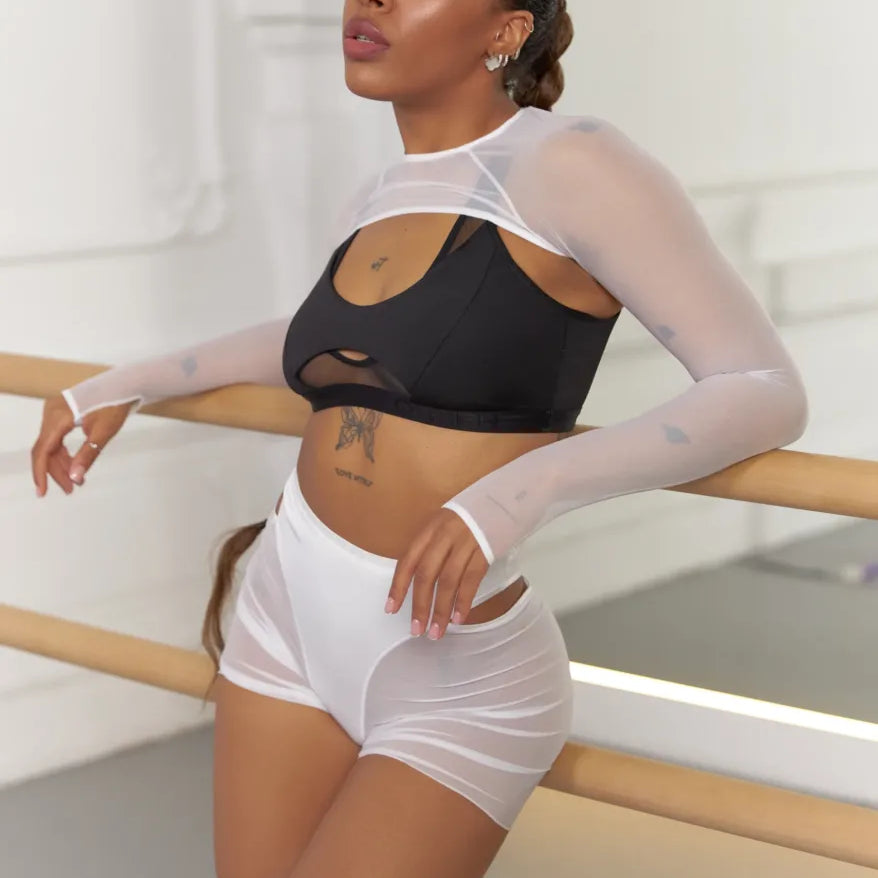
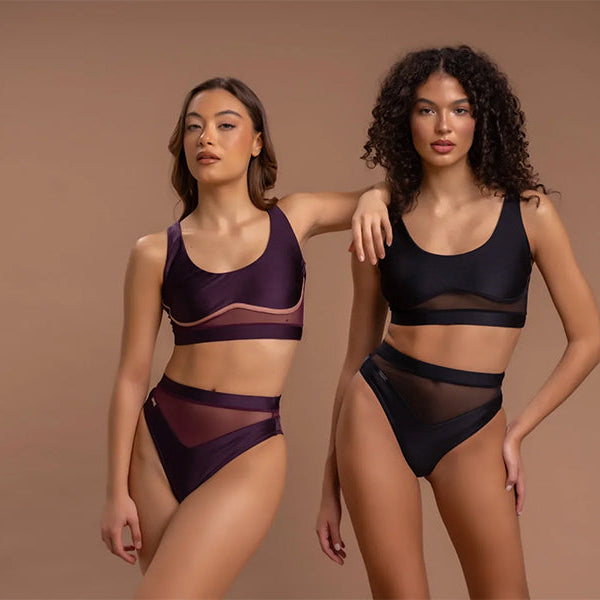
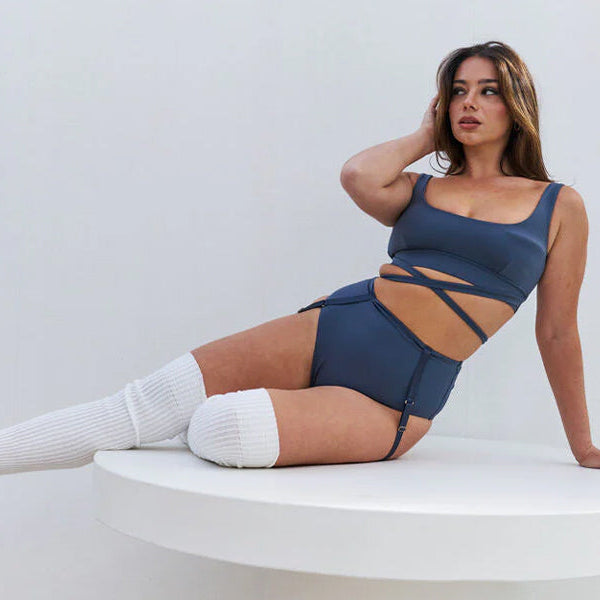
2 pairs of pole dance shorts. Not more. Two is enough for a week of training with washing in between. Pack different cuts one high-waisted, one shorter so you have options across different training contexts.
2 training tops. Same principle. One straightforward sports bra or crop, one slightly more expressive piece for when you want to feel good training somewhere new.
1 warm-up layer. One pair of leggings and a light zip-up. This doubles as travel/airport wear and packs flat.
Your grip aid. The one non-negotiable small item. Dry hands, iTac, or whatever your usual is - pack it in your checked bag (the travel size) or in a spillproof container. Note: liquid grip aids need to follow the same 3-1-1 liquid rules as any other liquid for carry-on.
A pole cloth. A small microfiber square weighs nothing and takes up no space. Studios appreciate you bringing your own.
Your music. Earbuds and a playlist ready for open pole practice or floor work. Training to your own music in a new space is a specific pleasure.
What You Don't Need to Pack
-
Full grip aid collection - one product is enough
-
Multiple pairs of shoes - unless you specifically train in heels, bare feet travel for free
-
Studio equipment - crash mats, knee pads if they're large - studios have them
Packing Polewear for Travel: What Survives a Suitcase
Not all polewear travels equally well. Some fabrics wrinkle heavily, certain designs pack awkwardly, and some pieces are too precious to risk in checked luggage.
Best travel polewear:
-
Quality nylon/spandex blend shorts - these are virtually wrinkle-proof and pack flat. The Alpha Botanica Hot Pants pack to almost nothing and arrive ready to train.
-
Fitted crop tops and strappy tops - roll rather than fold, pack in a compression bag if space is tight
-
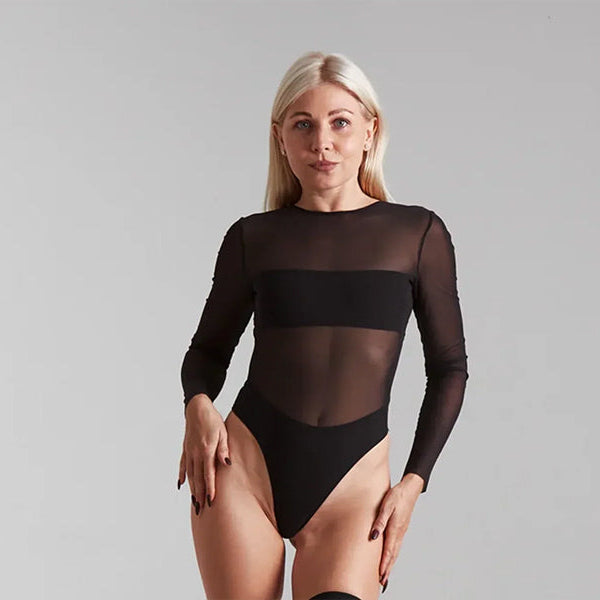
Minimal bodysuits - the Bodysuit Temptation in Black Matte packs flat, doesn't crease, and arrives ready to wear
More careful handling for travel:
-
Sequin pieces - the Blue Sequin Vento Hot Pants travel well in a soft pouch to protect the sequins from snagging against other fabrics. Worth the slightly extra care because they photograph beautifully in new locations.
-
Velvet pieces fold carefully, avoid compression, and they'll be fine for most trips
A practical tip: Pack your pole training kit in a separate interior bag within your luggage. Polewear, grip aid, and pole cloth together in a small mesh bag. When you arrive and want to train, you pull out one bag rather than hunting through your suitcase.
Making the Most of Training in New Places
Traveling to train at new studios isn't just about maintenance - it's genuinely enriching for your pole practice.
You'll encounter different teaching styles. Every instructor has their own approach to breaking down moves, sequencing classes, and cueing technique. Exposure to different instructors over time gives you a richer toolkit for your own learning.
You might discover styles you haven't trained. Your home studio may specialize in one direction; studios you visit might introduce you to styles you've seen online but never tried. A trip to a city with a strong exotic pole scene might be your first exposure to structured exotic training. This broadens what you can do.
The community connection extends globally. Some of the best pole friends people make are from studios they visited once while traveling. The shared experience of being a visiting student welcomed by a new community creates a specific kind of connection that's unique to the pole world.
Document your travel training. A quick training clip in a new studio or a photo in an unfamiliar space becomes part of your pole journey record. The pole community loves content from traveling dancers.
Shop Travel-Ready Polewear at The Pole Edit
The best travel polewear is quality polewear - pieces that pack small, resist wrinkles, and perform as well on the road as they do at home. Browse our full collection at thepoleedit.com/collections/all for training pieces from Lunalae, Rolling Brand, Harna, and more.
All shipped from within the United States - no tariffs, easy returns, founded by a pole dancer who knows training doesn't pause for travel.
Your next studio is waiting somewhere. Pack smart and go find it.

