


Here's something that doesn't get said out loud enough in the pole community: becoming a pole dancer changes you.
Not just physically, though it does that too, significantly. It changes how you think about your body, your strength, your capacity for beauty and power simultaneously. It changes your social landscape. It changes what you wear and why. It changes what you think you're capable of.
The word "pole dancer" carries a lot of cultural weight, most of it inaccurate and most of it shrinking. In 2026, the reality of who pole dancers are, what the discipline has become, and what it means to call yourself part of this community is richer and more expansive than the outside world generally understands.
This is a celebration of that reality. Of the pole dancers, who they actually are, what the practice actually is, and what the community that's built around it actually looks like.
Who Is the Pole Dancer in 2026?
The honest answer: everyone.
Pole dancing in 2026 is practiced by people across every demographic you can name. Office workers who come to the studio after nine hours at a desk. Teachers and nurses and engineers. People in their 20s discover it through social media. People in their 50s and 60s who found it when their kids grew up and they decided to finally do something purely for themselves. Men who are tired of the assumption that pole dancing isn't for them. People from every body type, fitness background, cultural background, and starting point.
The unifying thread isn't demographic - it's experiential. Every person who walks into a pole studio for the first time is trying something that looks impossible, feels scary, and requires them to be in their body in a way that most modern life doesn't ask for. That shared experience of beginning and the shared experience of progressing, of landing things you thought you couldn't create a community bond that's surprisingly deep.
The Pole Dancer's Relationship With Their Body
There's something specific that pole dancing does to the way you inhabit your body, and it's worth naming precisely.
Most exercise disciplines create a utilitarian relationship with your body - your body is a machine, you're optimizing its output, performance is the metric. Pole dancing does develop genuine athletic output. But it also asks something else: to be expressive. To let what's happening internally become visible externally. To move in a way that isn't purely functional.
This combination of athletic rigor and expressive freedom is almost uniquely pole dancing's gift. The result is that pole dancers tend to develop a relationship with their body that's neither purely functional nor purely aesthetic, but something more like fluency. You learn the language of your own physicality.
For many pole dancers, particularly those who have had complicated relationships with their bodies, this is genuinely transformative. The studio becomes a space where your body is a tool for expression rather than an object of scrutiny.
The Pole Community: What It Actually Looks Like
The pole community is protective, supportive, and more inclusive than almost any other fitness space most people have encountered.
Part of this comes from pole's history. Because pole dancing has carried stigma because the outside world has often misunderstood or judged it - the community has developed a thick skin collectively and a tendency to close ranks around its members. When the broader culture dismisses you, you build your own culture that doesn't.
The result is a community where:
-
Beginner mistakes are celebrated, not embarrassing. Everyone remembers being unable to climb. Everyone cheers when you do.
-
All bodies are seen as capable. Pole is not a sport where one body type dominates. Champions come in every shape. This is lived reality in the studios, not marketing language.
-
Progress is personal. There's no universal timeline, no benchmark everyone is compared against. Your journey is your journey.
-
The wardrobe is joyful. The pole community has collectively decided that life is too short for boring workout clothes, and the resulting polewear culture is genuinely something special.
The Pole Dancer's Wardrobe: Expression as Identity
No guide to pole dancer identity is complete without addressing the clothes. Because in this community, what you wear is genuinely part of who you are in the studio.
This isn't superficial. The pole dance wear that pole dancers choose reflects something real aesthetic identity, training priorities, brand loyalty, and a willingness to show up fully expressed rather than minimized. It's one of the most visible ways the community signals its values.
The Diversity of Pole Dance Clothing
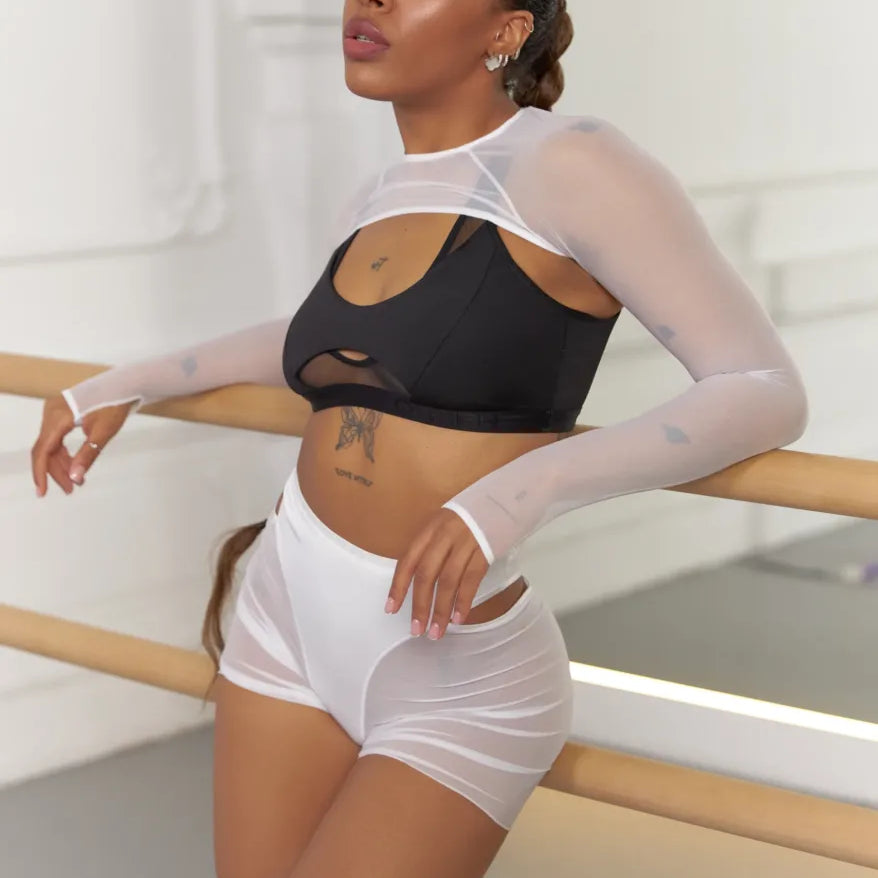
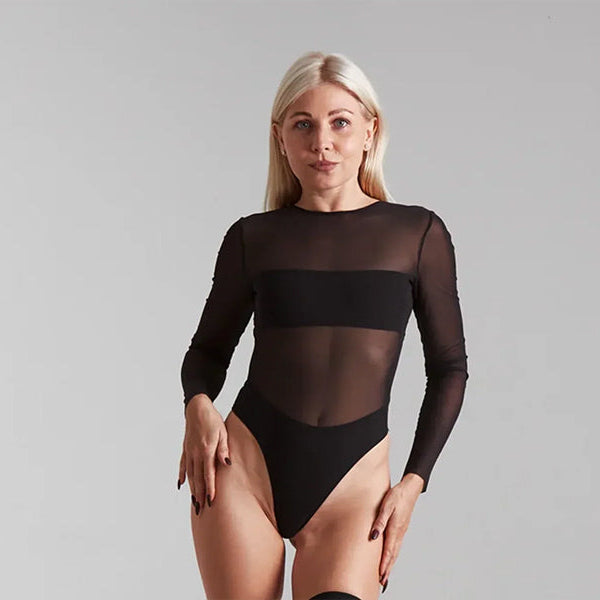
Modest pole dancing clothes: Not every pole dancer is comfortable with or interested in high-cut, minimal coverage polewear. And the market has responded high-waisted shorts that provide more coverage, longer line crops, and even full-coverage designs that still enable skin contact at the specific grip zones are all available. You don't have to choose between participating fully in pole dancing and feeling comfortable in your clothing choices.
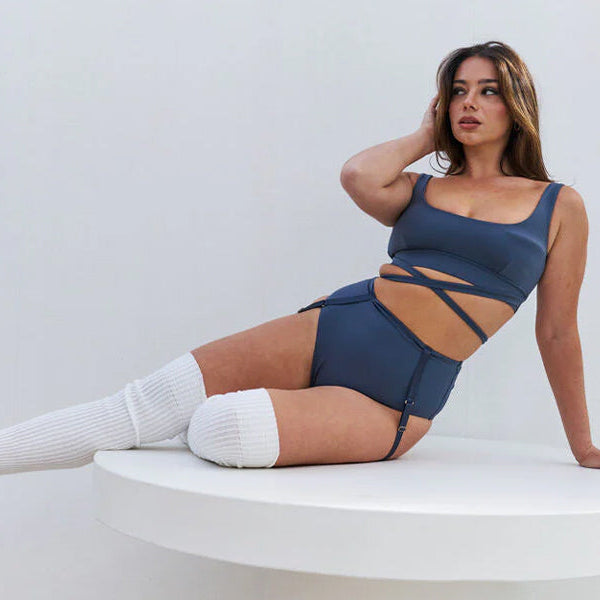
Korean polewear: One of the most exciting developments in the global polewear market over the last several years is the rise of Korean pole dance clothing brands. Korean polewear has developed a distinct aesthetic, often more delicate, more detail-oriented, with intricate strap work, unique fabric choices, and a femininity that's different from the more athletic-forward international brands. The US pole community has taken notice, and Korean polewear is increasingly sought after by dancers who want something that feels like a different design language.
Performance polewear: For the pole dancer who competes, performs, or creates content - the wardrobe extends into genuine costume territory. Sequin bodysuits, velvet sets, rhinestone-accented pieces. This is the intersection of athletic performance wear and theatrical costuming, and it's uniquely pole.
Everyday training wear: The daily training shorts and crop top that becomes almost like a uniform. Worn-in, trusted, reliable. Every pole dancer has the pair they keep reaching for because they know exactly how it moves, exactly where it sits, exactly how it feels mid-invert.

What The Pole Edit Carries for Every Type of Pole Dancer
At The Pole Edit, we've tried to build a store that serves the actual diversity of the pole community, not a narrow slice of it.
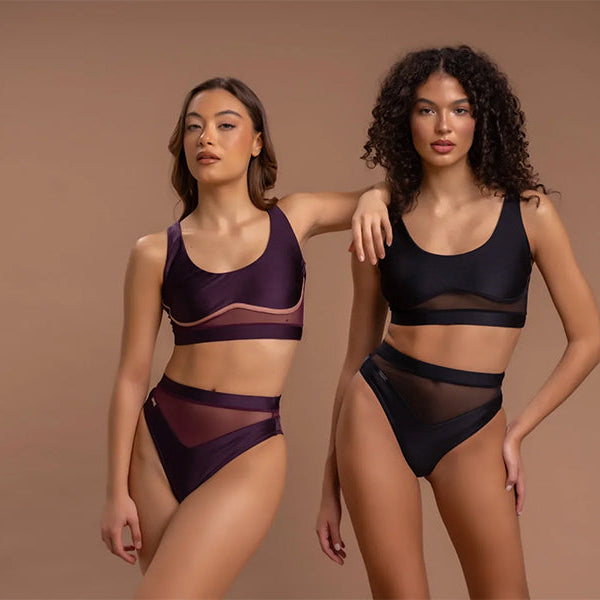
For the dancer who wants something expressive and bold: Rolling Brand's sequin pieces and botanical collections. The Blue Sequin Scorpio Bodysuit ($94) and Botanica Reversible Vento Bottoms are community favorites.
For the dancer who wants premium quality with a cleaner aesthetic: Harna's architectural pieces and Lunalae's soft, flattering collections.
For the dancer who wants color and joy: Paradise Chick's vibrant designs.
For the dancer who wants reliable, performance-grade construction: Nona Perkasa.
For first-time buyers figuring out where to start: our Bottoms collection and Tops with easy returns — because we know sizing polewear takes a few tries and we've made that process painless.
All of it ships from within the United States. No tariff surprises. No three-week waits. Founded by a pole dancer who wanted the US community to have the shopping experience it deserves.
Being a Pole Dancer Means Surprising Yourself
Here's the thing that the community consistently says, and that new pole dancers almost always confirm: pole dancing regularly asks you to do something you thought you couldn't.
Landing your first climb. Your first invert. Your first trick combination. Each one requires belief in your own body before your body has fully earned it. You try before you're ready. You fail, you adjust, you try again. And then one day it's there.
This repeats, in different forms, across the entire arc of a pole dancer's practice. The ceiling keeps rising. What was impossible last month is your warm-up now. What's impossible today is the thing you'll land in three months.
That process of constantly discovering more capability than you thought you had — is what people mean when they say pole dancing is transformative. Not the abs (though also the abs). The relationship with your own potential.
Welcome to the Pole Community
Whether you've been dancing for a week or a decade, whether you're training in your living room on a home pole or competing at national championships, whether you wear modest basics or full sequin sets to class you're a pole dancer.
The community is glad you're here.
And when you're ready to upgrade your wardrobe to find the pole dance clothing that actually matches who you are in the studio - The Pole Edit is here for that too.
Browse the full collection at thepoleedit.com curated by a pole dancer, shipped from the US, for every kind of pole dancer there is.

