


Here's something no beginner polewear guide ever covers: what you wear to pole class in July in a hot studio is genuinely, functionally different from what you wear in January in a studio where the heat hasn't caught up with the room temperature.
The difference isn't just about style or personal preference. Temperature directly affects grip. Body temperature affects how your skin interacts with the pole. Cold studios change how long warm-up needs to be and how quickly your muscles fatigue. Hot studios change how much you sweat and how grip aids perform.
This is the seasonal polewear guide the pole community needed specific, practical, and honest about how to dress for your training environment across every season.
How Temperature Affects Pole Training
Before the outfit recommendations, let's understand the mechanics so the clothing choices make sense.
Warm skin grips better than cold skin. There's a clear relationship between skin temperature and friction. Warm skin is slightly softer and more pliable, which increases surface contact with the pole. Cold skin is firmer and has reduced grip. This is why experienced pole dancers take their warm-up seriously; it's not just about injury prevention, it's about having functional grip when they get to the pole.
Sweating creates a grip problem. On the flip side, excessive sweating common in hot summer studios dramatically reduces grip. Sweat creates a layer between your skin and the pole that acts as a lubricant rather than a friction surface. This is why hot studio days require more grip aids, more frequent pole cleaning, and clothing choices that manage moisture.
Muscle elasticity changes with temperature. Cold muscles are less elastic, which means slower range of motion development during warm-up and higher injury risk when pushed to full range before they're ready. Hot environments allow muscles to reach working temperature faster but can also mask fatigue signals.
Understanding these mechanics helps you make intentional clothing and preparation choices for different seasonal training environments.
Summer Pole Training: What to Wear When It's Hot
The Challenge
Summer pole training, particularly in studios without strong air conditioning, means higher ambient temperature, faster sweating, reduced grip from moisture, and the need for maximum ventilation while maintaining the skin contact your grip depends on.
The Clothing Strategy
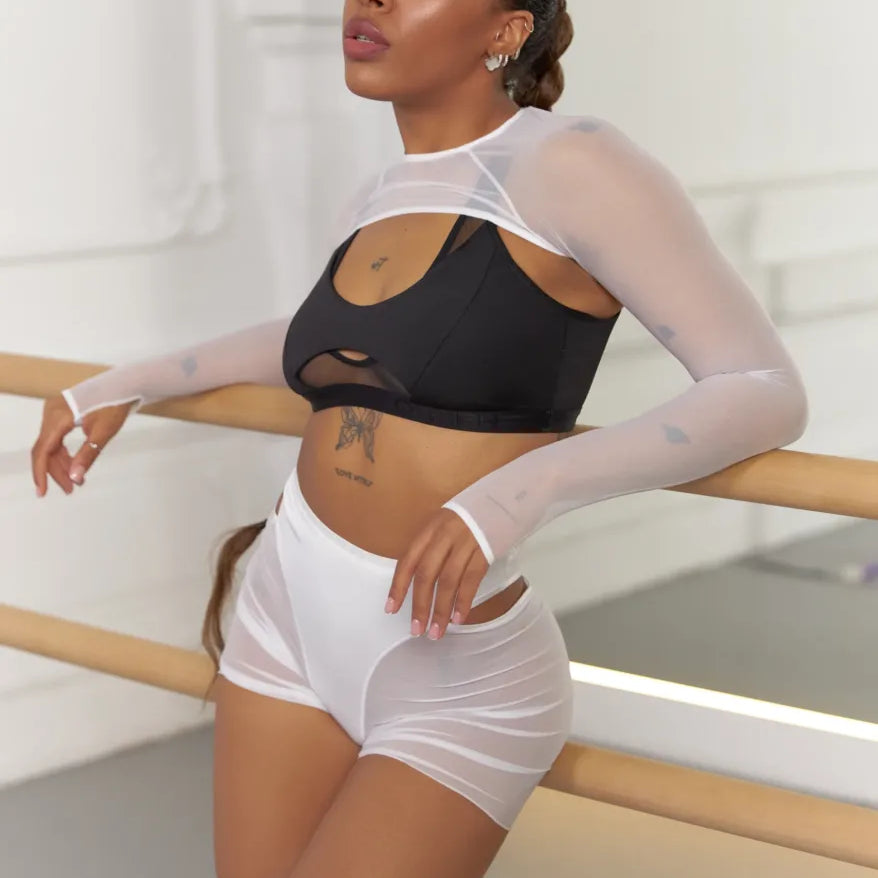
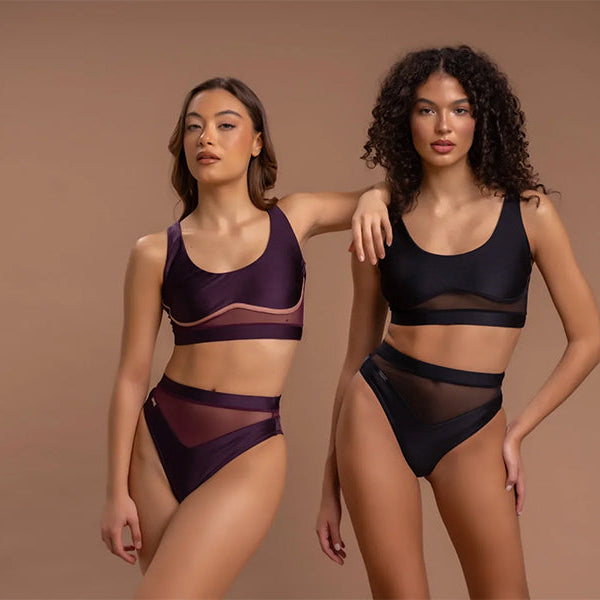
Go minimal on coverage, maximum on quality. Summer is the season for your most minimal polewear hot pants, triangle tops, minimal bodysuits. Not because of aesthetics, but because less fabric means better ventilation and less fabric trapping sweat against your skin.
Fabric matters more in summer. Look for fabrics with moisture-wicking properties that pull sweat away from the skin rather than absorbing it. Technical nylon/spandex blends the kind used in quality polewear brands handle this significantly better than cotton-blend athletic wear.
The hot pants moment. If there's a season for hot pants and minimal tops, it's summer. The combination of maximum skin exposure for grip and maximum ventilation for comfort makes this the functional choice. The Blue Sequin Vento Hot Pants ($49) from Rolling Brand and the Alpha Botanica Hot Pants ($52) are both excellent warm-weather training choices sequin and botanical fabrics that breathe well and maintain their structure in heat.
Moisture-wicking tops. A minimal triangle top or strappy crop that exposes your sides and back provides maximum ventilation while maintaining upper body coverage. The Bella Top Strappy Triangle in Black ($42) is a summer staple the strap structure exposes significant skin for ventilation while the construction keeps everything where it should be.
Summer Grip Strategy
Dry hands products become essential. In hot, sweaty conditions, grip aids are not optional they're the solution to the moisture problem. Apply dry hands to your palms before training, reapply between sets on particularly challenging moves.
Bring a pole cloth. A small, lint-free cloth for wiping down the pole between turns removes sweat residue and restores grip surface. Many summer training sessions without this feel dramatically less grippy than winter sessions.
More frequent water breaks. Dehydration affects everything including skin condition and muscle function. Staying well-hydrated in summer training keeps both your performance and your grip more consistent.
Summer Outfit Formula
Hot pants + triangle top or strappy crop + dry hands + pole cloth = your summer kit.

Winter Pole Training: What to Wear When It's Cold
The Challenge
Winter pole training presents the opposite problem: cold studios, cold skin with reduced grip, muscles that take longer to warm up, and the constant tension between staying warm enough before training and having the right skin exposure for pole work.
The Clothing Strategy
Layer strategically. The winter pole approach is all about layers you can remove as your body temperature rises. Start your warm-up fully layered, then progressively remove layers as you heat up.
Start: full warm-up layers. Leggings over your pole shorts, a long-sleeve or hoodie over your top. Your pole shorts and training top are underneath you're not changing, just adding coverage for the non-pole portion of your session.
Mid-session: transition layers. Once your body temperature is up and you're moving to the pole, the leggings come off. The hoodie stays on between turns if the studio is particularly cold.
Full training: base pole layers. Eventually once your core temperature is genuinely up you're in your training shorts and top, same as any session. The difference is that this may take longer in winter.
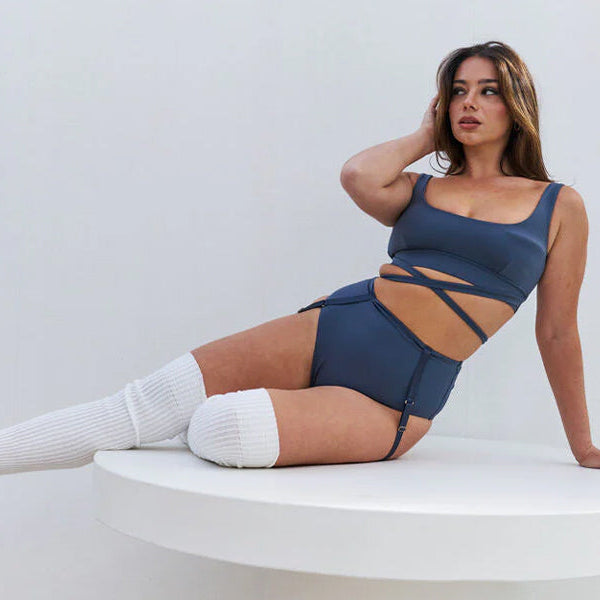
High-waisted shorts for winter. The extra waistband coverage of high-waisted pole shorts provides slightly more warmth through the midsection without compromising the leg exposure you need for grip. In cold studios, the difference is noticeable. The Botanica Reversible Vento Bottoms and the Florida V-Short Stripes Oceanis are both high-waisted styles that work particularly well for winter training.
Longer warm-up periods. In cold environments, your warm-up should be 15–20 minutes rather than the 10 minutes that might suffice in summer. Joint lubrication, muscle elasticity, and skin temperature all take longer to reach the right state when the ambient temperature is lower.
Winter Grip Considerations
Cold skin grips less effectively the solution is two-fold. First, genuinely warm up until you feel your skin temperature rise. Second, use grip aids slightly more liberally in cold conditions.
One cold-specific tip: some pole dancers use iTac2 or similar tacky grip products in winter specifically because the tackiness compensates for the reduced friction of cooler skin. Experiment to find what works for your skin type in your studio's specific winter temperature.
Winter Outfit Formula
High-waisted pole shorts + structured sports bra or crop top (base layer) + leggings + long-sleeve or hoodie (warm-up layers, removed progressively) + grip aids = your winter kit.
The Transitional Seasons: Spring and Fall
The in-between seasons spring and fall in most US climates often have the most variable studio temperatures. One week the studio is warm, the next it's cold, and your clothing needs to adapt.
The transitional season strategy: Always bring your warm-up layer, even if you don't expect to need it. Keep both a lighter and a slightly warmer training top in rotation. And pay attention to how your grip feels on any given day temperature variation is one of the most common explanations for "grip is completely off today" experiences.
Year-Round Polewear Investments Worth Making
Regardless of season, these pieces earn their place in every US pole dancer's wardrobe:
One reliable warm-up layer: Fitted joggers and a zip-up hoodie. Any brand is fine for this function it's what you wear over your polewear, not the polewear itself.
Two pairs of quality pole shorts: One high-waisted for cold-weather training and modesty preference days, one shorter cut for warm-weather training and advanced grip work.
A fitted crop top and a triangle or strappy top: Different coverage levels for different temperature and training contexts.
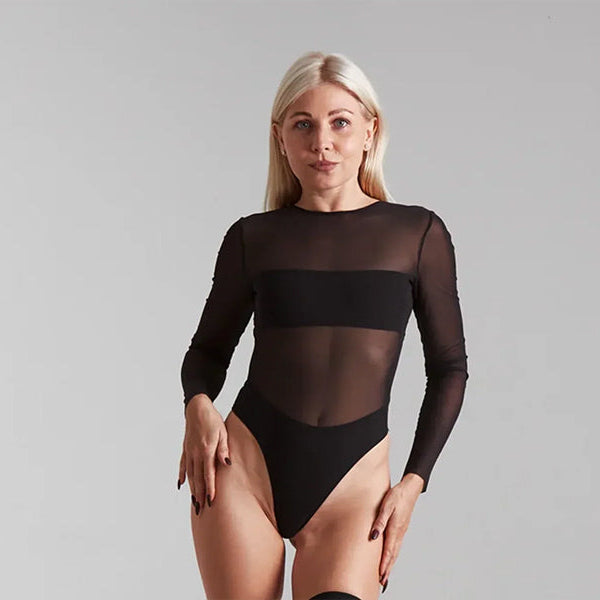
A performance piece: A bodysuit or matching set reserved for showcases and content season-agnostic because it serves performance, not daily training.
All of these are available through The Pole Edit premium polewear from Lunalae, Rolling Brand, Harna, Paradise Chick, and Nona Perkasa, all shipped domestically from the US.
No tariffs. No international shipping waits. Easy returns. Founded by a pole dancer who trains through every season and knows exactly what the wardrobe needs to handle.
Browse the full collection at thepoleedit.com and build the seasonal pole wardrobe that actually works for your training environment year round.

