


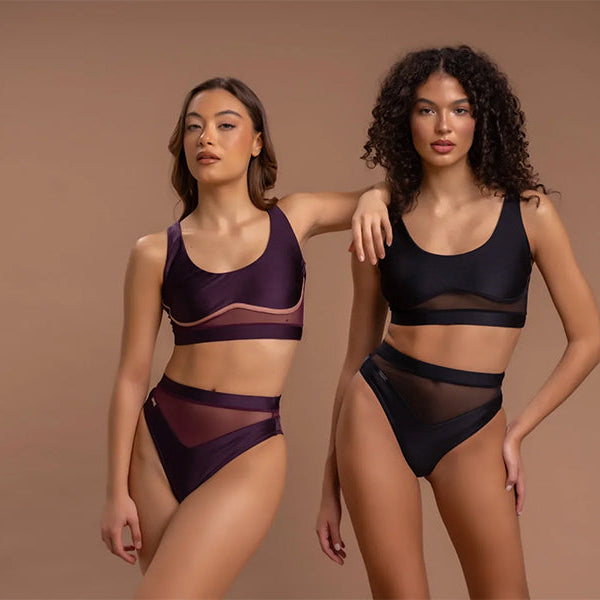
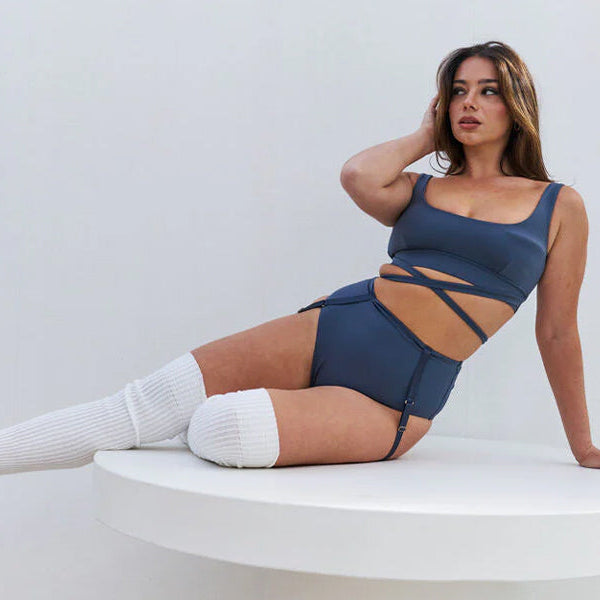
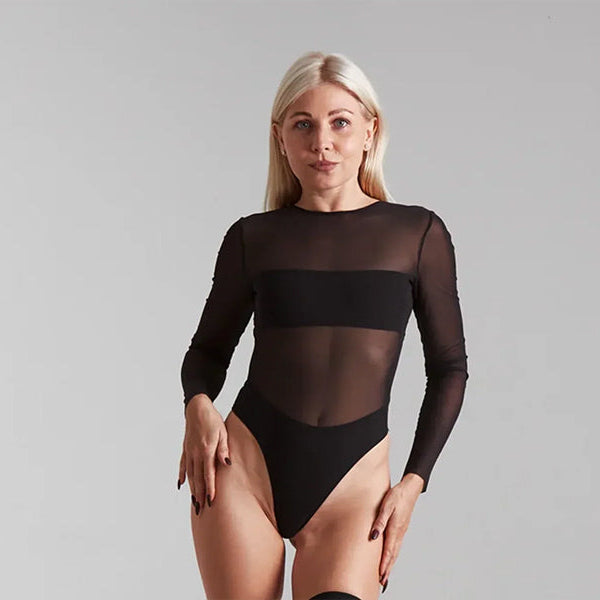

Here's the math that most people don't do when they buy polewear: a quality pair of pole shorts costs $45–55. Washed correctly and stored well, that pair can last three to five years of regular training - making the cost-per-wear genuinely low. Washed incorrectly, the same pair might lose its shape, fade, or lose its grip properties in three to six months.
The difference isn't the brand. It's the care.
This guide covers everything you need to know about caring for your pole dance clothing - the washing methods that preserve fabric elasticity, the drying rules that protect specialized materials, and the storage habits that keep your favorite pieces looking like new for years. If you've ever watched a beloved pair of pole shorts slowly die and wondered what you did wrong, this is the guide you needed.
Why Polewear Care Matters More Than Regular Activewear
Before the how-to, it helps to understand why polewear is more care-sensitive than regular gym wear.
The fabrics are specialized. Quality pole dance clothing uses high-performance nylon/spandex blends engineered for extreme stretch, recovery, and durability. These properties depend on the integrity of the elastic fibers and elastic fibers are vulnerable to heat, harsh chemicals, and mechanical stress in ways that regular cotton activewear isn't.
The construction is precision work. The reinforced seams, strategic cutouts, and structured waistbands in quality polewear require careful handling to maintain their integrity. Machine washing on aggressive cycles can stress seams and distort structural elements.
Some pieces have special materials. Sequin pieces, velvet, metallic fabrics, and mesh panels all have specific care requirements that generic "wash on delicate" advice doesn't fully cover.
Grip properties can be affected by care. For grippy/tacky fabric pieces, the wrong washing method can degrade the grip surface permanently - a functional property loss, not just an aesthetic one.
The Golden Rules of Washing Polewear
Rule 1: Hand Wash - Always If You Can
Hand washing is the single most important care habit you can develop for your pole dance clothing. It's gentler than any machine cycle, removes sweat and oils effectively, and extends the life of elastic fibers significantly.
How to hand wash polewear:
-
Fill a sink or basin with cool to lukewarm water. Never hot.
-
Add a small amount (roughly a teaspoon) of mild liquid detergent. Woolite, a sports-specific detergent like WIN, or a gentle lingerie wash all work well.
-
Submerge the garment and gently agitate - squeeze water through the fabric, don't scrub or wring.
-
Let soak for 5-10 minutes for a sweaty training piece.
-
Rinse thoroughly in cool water until no soap remains.
-
Gently press water out - don't wring or twist.
Total time: 10 minutes. Time you get back in your polewear's lifespan: months to years.
Rule 2: If You Machine Wash, Do It Right
If hand washing isn't realistic for your lifestyle, machine washing can work but only with specific settings.
-
Cold water, always. Hot water damages elastic fibers permanently.
-
Delicate or gentle cycle only. The reduced agitation matters.
-
Mesh laundry bag. Place each piece in a separate mesh laundry bag before putting in the machine. This prevents strap tangles, snags, and reduces the mechanical friction that stresses seams.
-
Minimal detergent. Excess detergent is hard to fully rinse on gentle cycles and leaves residue that affects fabric feel and grip properties.
-
Wash with similar colors. Even "colorfast" polewear can bleed slightly on first washes. Wash dark pieces with darks, brights with brights.
Rule 3: No Fabric Softener - Ever
This is the rule most people break first, and it consistently damages polewear faster than almost anything else.
Fabric softener works by coating fabric fibers with a lubricating film. For regular cotton laundry, this creates a softer feel. For polewear, it does three bad things:
-
Reduces stretch and recovery - the film interferes with elastic fiber function
-
Destroys grip properties - for grippy/tacky polewear fabrics, softener essentially kills the texture that makes them work
-
Affects the natural friction of skin-contact fabrics - some polewear fabrics have subtle grip properties from their weave structure that softener eliminates
No softener. No dryer sheets. Not even "for delicates." Just skip it entirely for your pole dance clothes.
Rule 4: Treat Stains Immediately
Pole training produces specific stains: body oil, self-tanner, foundation, and chalk residue are the most common. Address them immediately rather than waiting for wash day.
For oil-based stains (self-tanner, body oil, foundation): Apply a small amount of dish soap directly to the stain, gently work it in with your fingertip, let sit for 5 minutes, then rinse with cold water before washing normally.
For chalk/grip aid residue: Rinse under cold running water before washing - this dissolves most chalk residue without any additional treatment.
For general sweat and odor: Soak in a diluted white vinegar solution (1 cup vinegar per sink of cold water) for 20–30 minutes before washing. Vinegar neutralizes odor-causing bacteria without harming fabrics.

The Drying Rules
If the washing rules matter, the drying rules matter more. Heat is the primary enemy of elastic fibers, and most care damage to polewear happens in the dryer, not the washing machine.
Rule 1: Air Dry Everything, Always
The tumble dryer is off-limits for your polewear. Even one session in a hot dryer begins degrading the elastic fibers that give your shorts their stretch and recovery. Over multiple cycles, it accelerates the bagging, sagging, and loss of shape that makes expensive polewear feel like cheap activewear.
How to air dry effectively:
-
Lay flat on a clean towel, reshaping gently to original dimensions while the fabric is still damp
-
Or hang over a drying rack or towel bar - avoid hanging from thin straps, which can stretch under the garment's weight
-
Keep out of direct sunlight - UV exposure fades colors and can affect certain fabrics
-
Ensure good air circulation; a bathroom with a fan or a well-ventilated room works well
Drying time varies: most pole shorts and tops are dry within 4–8 hours in reasonable conditions.
Rule 2: Sequin and Metallic Pieces - Extra Care
Sequin polewear (like the Blue Sequin Scorpio Bodysuit or Blue Sequin Vento Hot Pants) requires additional attention:
-
Always hand wash - machine agitation can loosen sequins and stress the threads that hold them
-
Lay flat to dry with the sequin side up
-
Store with tissue paper between sequin surfaces if stacking to prevent transfer marks
-
Never iron or steam sequin pieces
Storage: The Underrated Factor
How you store your polewear when you're not wearing it affects its lifespan more than most people realize.
Fold vs. Hang
Most pole shorts: Fold and stack flat. Hanging shorts from a waistband puts consistent stress on the waistband elastic over time.
Bodysuits: Lay flat or hang from the crotch/body of the piece not from the straps, which can stretch.
Tops and bralettes: Fold flat. If hanging, use a hanger that supports the band, not just the straps.
Temperature and Environment
Store polewear in a cool, dry environment. Avoid:
-
Direct sunlight (fades colors, degrades fabrics)
-
High humidity (promotes mildew and bacteria in synthetic fabrics)
-
Compressed storage (folding a bodysuit very tightly for months can create permanent creases in structured fabrics)
Keeping Colors Separate
For long-term storage, keep dark, bright, and light-colored pieces separated. While colorfast modern fabrics are unlikely to transfer color actively, contact over extended periods can still cause subtle fading or tinting.
Care by Fabric Type: Quick Reference
Standard nylon/spandex: Hand wash cold, air dry flat. These are the most forgiving - the fabric handles occasional machine wash on delicate if needed.
Velvet polewear: Hand wash only, laid flat to dry. Never wring. Velvet pile can be permanently damaged by wringing or aggressive agitation.
Sequin pieces: Hand wash only, lay flat to dry sequin-side up. Store carefully to prevent snags.
Metallic/foil fabrics: Hand wash only with very gentle detergent. Metallic coatings can crack or peel with harsh treatment. Air dry flat.
Grippy/tacky fabrics: Hand wash only, no softener (this one bears repeating), air dry completely before storing. Storing grip fabric while damp can affect grip properties.
Mesh panels: Machine wash fine on delicate in a mesh bag. Mesh is more robust than the main fabric; just protect it from snagging.
When to Replace Polewear
Even with perfect care, polewear eventually reaches end of life. Signs it's time to replace a piece:
-
Waistband no longer holds its shape - has stretched out and rolls or folds during training
-
Fabric has lost its recovery - stays stretched out rather than snapping back after being pulled
-
Seams are splitting or fraying under load
-
Grip properties are gone on grippy fabric pieces
-
Holes or thin patches at high-friction grip zones
Well-cared-for quality pieces from brands like Lunalae and Rolling Brand typically last 2-4 years of regular training before reaching this point. That's exceptional cost-per-wear for any athletic clothing.
Shop Quality Polewear That's Worth Taking Care Of
Care matters most when you're caring for something worth keeping. Cheap polewear degrades regardless of how carefully you wash it. Quality polewear from established brands responds to good care with genuinely long lifespan.
The Pole Edit carries polewear worth caring for Lunalae, Rolling Brand, Harna, Paradise Chick, Nona Perkasa all shipped from within the United States. No tariffs, fast delivery, easy returns.
Browse the full collection at thepoleedit.com and invest in pieces worth a little extra care.

