


Here's a stat that surprises most people outside the pole world: male participation in pole dancing has grown significantly every year for the past decade, and at many international competitions, the men's categories are among the most technically spectacular divisions on the floor.
Yet the content written for male pole dancers remains a fraction of what exists for female dancers. Most polewear guides, beginner resources, and clothing recommendations are written as if the entire community is women. The reality is very different and the male pole dancing community deserves the same quality of information.
This guide is specifically for men entering pole dancing: what to expect physically and socially, how training tends to feel different for male athletes, and the very practical question of what to actually wear.
Why Men Do Pole Dancing And Why the Number Is Growing
The reasons men come to pole dancing are as varied as the reasons anyone does. But a few themes come up consistently:
The strength challenge. Pole dancing, approached from a pure athletic standpoint, is one of the most demanding upper-body and core training methods available. For men who are drawn to functional strength training - the kind that produces real capability rather than just aesthetics the appeal is immediate. When a man sees a male pole dancer execute an iron cross, a flag, or a one-armed hold, the athletic response is recognition: that is serious strength.
The skill acquisition. Unlike weightlifting or running, pole dancing has an infinite skill ceiling. There's always a harder move, a cleaner technique, a more complex combination. For men who are driven by mastery and measurable progression, this is a deeply satisfying training discipline.
The artistic expression. For men who come from dance, gymnastics, martial arts, or artistic backgrounds, pole offers a performance discipline that combines the athleticism of those worlds with genuine creative expression.
The community. The pole community's unusual openness across gender, body type, and background - is often a revelation for men who have found conventional gym culture competitive or unwelcoming.

How Pole Training Differs for Male Pole Dancers
There are real physiological differences between male and female pole dancers that affect training, and acknowledging them honestly is more useful than pretending they don't exist.
The Upper Body Advantage
Men typically come to pole dancing with more baseline upper body strength than women, which means certain foundational moves the climb, basic inverts, upper body holds - can feel more accessible early. This doesn't mean men progress faster overall; it means the initial upper body adaptation happens from a higher starting point.
The catch: this strength advantage can lead to over-reliance on raw power rather than technique. Male beginners sometimes muscle through moves that should be executed with efficient technique, which creates bad habits that become harder to correct later. Good instruction from the beginning helps prevent this.
The Flexibility Challenge
Where many women arrive at pole dancing with baseline flexibility from years of dance, yoga, or stretching culture, many men arrive with limited hip, hamstring, and shoulder flexibility that directly limits certain moves. The jade split, chest stand, and many of the shapes that read most dramatically on the pole all require flexibility that has to be deliberately developed.
For male pole dancers, dedicated flexibility work not as a warmup but as a serious training component - is often the bottleneck that determines progression pace. Hip flexors, hamstrings, and thoracic spine mobility are the priority areas.
Body Weight and Pole Contact
Higher body mass means more load on grip points. This is purely mechanical - heavier athletes simply have more work to do in any bodyweight discipline. This doesn't limit what's achievable, but it does mean the grip conditioning phase at the beginning of pole training may be more intense and take longer for heavier athletes.
The inner thigh and knee grip that female pole dancers rely on heavily also works for male pole dancers - the physics are the same. Some male beginners are surprised to discover that leg grip is as essential for them as for anyone.
What Male Pole Dancers Actually Wear
This is the question that gets the least useful coverage in most pole content. Here's the practical answer.
The Shorts Question
The skin-is-grip principle applies to everyone. Male pole dancers need inner thigh exposure for the same moves female dancers do thigh holds, climbs, Brazilian, and many inverted combinations require direct skin contact. This means short shorts are genuinely functional, not just an aesthetic choice.
What works for male pole dancers:
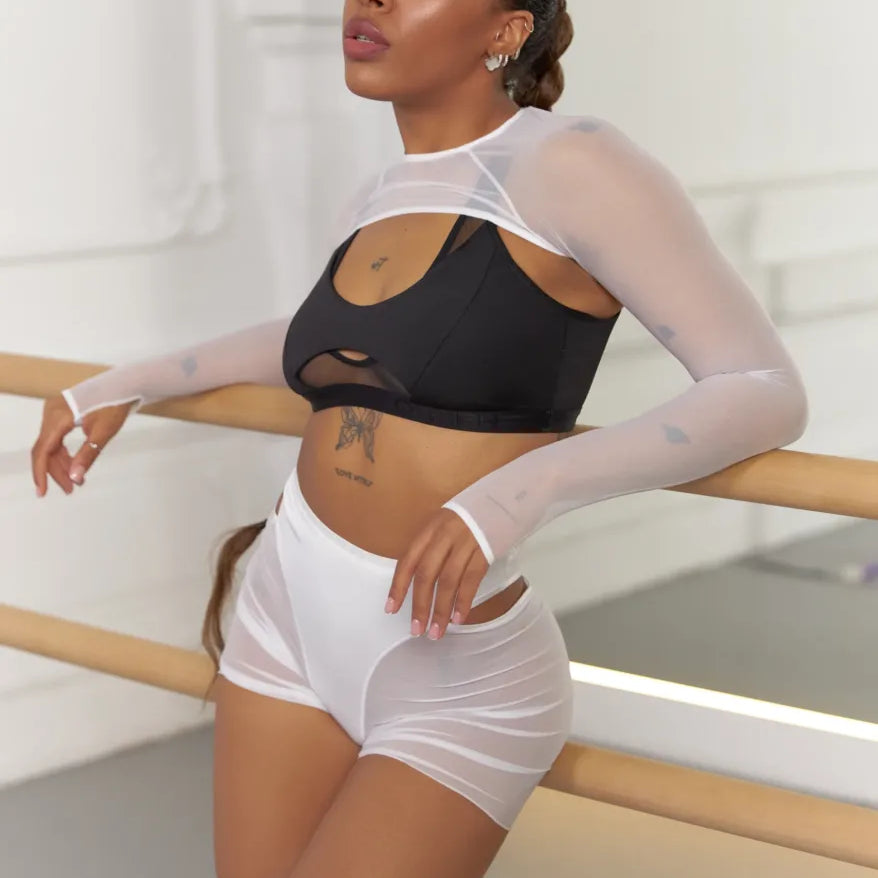
Athletic/sport-style pole shorts: The equivalent of a fitted bicycle short with a higher cut - enough inner thigh exposure to grip, enough coverage for comfort. Several polewear brands now make cuts specifically designed for male pole dancers, recognizing that the standard women's hot pants cut doesn't always translate.
Board short / compression short hybrid: Some male pole dancers prefer a slightly longer compression short with cutouts or no inner seam that still allows skin contact at the critical areas. This is a more conservative coverage level while remaining functional.
Leggings with shorts over them (for warm-up): Just like female pole dancers, male dancers often warm up in leggings and change to shorts before pole work begins. The principle is the same - leggings come off before serious pole contact.
The Top Question
Male pole dancers typically have more flexibility here than women, since upper body support isn't the same consideration. Common options:
Fitted athletic top: A fitted performance t-shirt or tank top works for training. The fabric needs to be form-fitting enough to not catch the pole or flip during inversions.
No top: Many male pole dancers, especially in advanced training, work without a top. Chest and back skin can serve as additional grip surfaces, and many male competition performances feature shirtless presentation. In a studio environment, whether this is appropriate depends on the specific studio culture - check with your instructor.
Performance tops: For showcases and competition, cropped athletic tops, structured sleeveless pieces, and open-back designs are all options that read well on stage.
Brands That Work for Male Pole Dancers
The honest state of the market: most mainstream polewear brands design primarily for female bodies, but the fit principles translate. Look for:
Dragonfly - often cited by the male pole community for making pieces explicitly inclusive of male and diverse bodies. Their shorts and training pieces are a common recommendation.
Backbone Polewear - specifically created for men and non-female-presenting pole dancers. A purpose-built option that addresses the fit gap directly.
General polewear brands: Many pieces from quality brands like Harna which tends toward clean, minimal, athletic aesthetics - work well for male dancers who want the quality construction of established polewear in a less gendered design language.
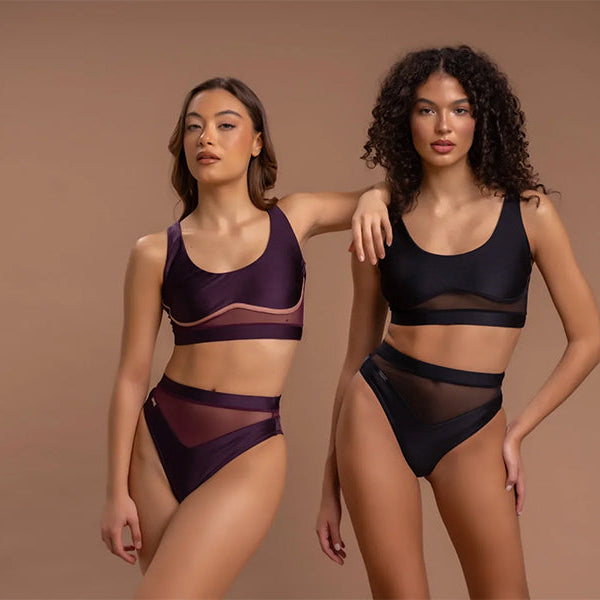
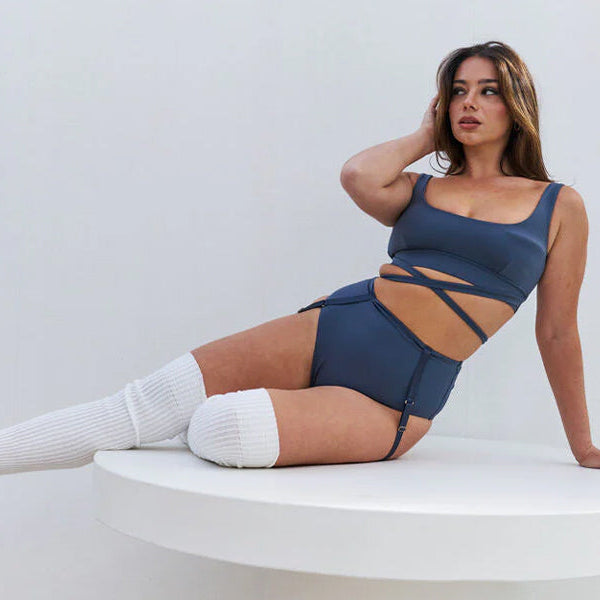
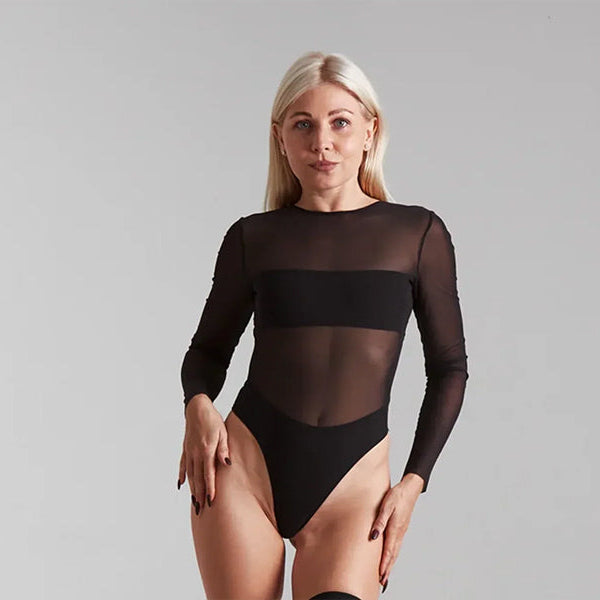
The Pole Edit carries premium polewear from brands that emphasize quality construction and performance functionality. Browse our full collection and our Bottoms many styles work effectively for male pole dancers, and with our easy US returns policy, finding the right fit is straightforward without the international shipping headache.
The Social Reality for Male Pole Dancers
Let's address this directly, because it's a real part of the male pole dancing experience.
In the studio: Most pole studios are genuinely welcoming of male students. The pole community's culture of acceptance is real and deep. The vast majority of male pole dancers report feeling welcomed and respected in studio environments from their first class.
Outside the studio: Social stigma around male pole dancing exists - less than it used to, but it's real. Men who start pole dancing often encounter confused or dismissive reactions from people outside the community. The community's standard response: bring those skeptics to a competition and watch their faces when a male pole dancer executes a deadlift into an iron cross. The athleticism speaks for itself.
At competition: Male categories at pole sport competitions are growing rapidly. The standard of performance is extraordinary - male competitors routinely execute strength-based moves at a difficulty level that highlights what's possible when serious athletes apply themselves to the discipline.
Start Here
If you're a man considering pole dancing or if you're already training and just want better information than the market typically provides - the path forward is the same as for any pole dancer: find a studio, show up, wear the right clothes, and let the practice do what it does.
The community is glad you're here. The strength this discipline will build is real. The ceiling on how far you can take it is genuinely high.
Shop training polewear at thepoleedit.com/collections/all US-based, founded by a pole dancer, ships domestically with no tariff surprises and easy returns.

